Staying in Cape Town: accommodation, attractions and practical planning tips
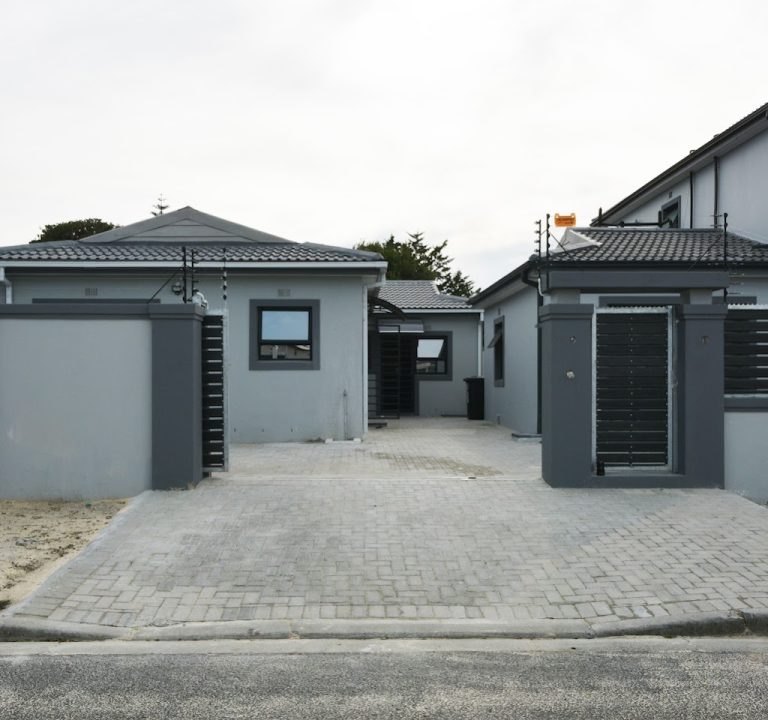
Cape Town offers a diverse tapestry of places to stay, from intimate guest houses in leafy suburbs to modern boutique hotels along the Atlantic Seaboard. When planning a visit, think about what you want from your base: proximity to the city’s highlights, ease of transport, and the character of neighbourhoods. A stay at a finca guest house or similar guest houses can provide a homely, often quieter atmosphere with personalised service, while central hotels can maximise time spent exploring the city.
Areas to consider include the historic and atmospheric Bo-Kaap and the central Cape Town CBD for easy access to museums, markets and nightlife; the V&A Waterfront for harbour views and dining options; the scenic Atlantic Seaboard, including Camps Bay and Clifton with beaches and sunset views; and the leafy southern suburbs such as Constantia and Hout Bay for wine country vibes and quieter streets. For a more bohemian vibe and easy links to the arts, Woodstock and Observatory are popular with travellers seeking characterful stays and local cafés. If you plan day trips to the Cape Peninsula, a base along the Atlantic coast or in Camps Bay can reduce drive times to Chapman’s Peak, Cape Point and the Simon’s Town penguin colony.
What to look for when booking a place to stay
- Accessibility and transport: Check how close the accommodation is to MyCiTi bus routes, railway stations or major roads. If you’ll rely on public transport, proximity to transport hubs is valuable; if you’ll hire a car, confirm parking availability.
- Amenities and inclusions: Look for Wi‑Fi, secure parking, daily housekeeping, and self-catering options if needed. Some guest houses offer a hearty breakfast, which can be a convenient start to long days of sightseeing.
- Room configuration: Consider whether you prefer en-suite bathrooms, separate living spaces, and quiet rooms for early starts or late returns from the city.
- Tax and pricing clarity: Understand whether rates include service charges, breakfast, or city taxes. Cape Town pricing can vary seasonally, particularly around peak holiday periods.
- Safety and neighbourhood character: Read recent guest reviews to gauge security measures and the feel of the area, especially for late-night returns or early starts for activities.
Typical amenities you may encounter
Most guest houses and boutique hotels in Cape Town offer comfortable bedrooms, daily cleaning, and access to common spaces such as lounges or verandas with city or harbour views. You might find well-equipped kitchens or tea and coffee facilities, sometimes with a shared terrace or pool. In higher-end options, expect thoughtful touches like quality linen, rain showers or soaking tubs, and curated local recommendations for dining and experiences. If a property emphasises local character, you may enjoy architectural features, verandas, and garden spaces that invite a relaxed pace after a day of exploring.
Transport and getting around
Driving offers the most flexibility in the region, particularly if you’re planning day trips to the Cape Winelands, the Cape Peninsula, or penguin colonies along False Bay. For city-based stays, a combination of walking and taxis or rideshares is common. The MyCiTi bus network is convenient for many routes, including to the central city and to the V&A Waterfront. If you’re exploring more remote beaches or hiking trails, a car with good parking is highly beneficial.
Best time to visit
Cape Town enjoys a Mediterranean climate with dry summers and wet winters. The peak tourist season is typically from November to February, when days are long and warm. Spring (September–November) and autumn (March–May) offer milder weather and fewer crowds. Winter (June–August) can be cool and windy, but is still a fine time to enjoy museums, wine tastings and dramatic coastal scenery with fewer visitors. Pack layers, sunscreen and a light rain jacket, whatever the season, and plan activities around the weather—hiking and outdoor events are best on clear days.
Attractions and experiences to consider during your stay
Signature Cape Town experiences often centre around natural beauty and iconic vistas. Steps may include a cable car ride up Table Mountain for sweeping city views, a visit to Kirstenbosch National Botanical Garden, and exploring the scenic Cape Peninsula drive to Cape Point. The V&A Waterfront offers harbour views, alongside markets, galleries and casual dining, while neighbouring areas provide access to sailing, shark viewing from safe platforms, or penguin viewing at Cape Town’s coastal reserves. For a cultural day, wander historic districts, markets and cafés, and consider a trip to Robben Island to reflect on South Africa’s history. When planning meals, look for restaurants that showcase fresh Atlantic seafood, seasonal produce and modern South African cuisine, with options for casual cafés and fine dining alike.
Practical tips to maximise enjoyment
- Book accommodations with flexible cancellation where possible, especially in shoulder seasons.
- Allow time for travel between the city and beaches or wine routes; Cape Town’s geography can create long drives at peak times.
- Bring or rent a car for wider exploring, but rely on rideshares or taxis for late-night returns to city accommodation.
- Plan outdoor days for mornings when coastal weather is calmer, leaving afternoons for museums or indoor pursuits if winds pick up.
- Respect local customs, observe safety advice in unfamiliar areas, and keep valuables secure when out and about.
For a sample stay that captures local charm, look for guest houses or small boutique hotels that emphasise personal hospitality, comfortable rooms, and easy access to both city culture and natural scenery. From a finca guest house-style stay to a modern harbour-facing retreat, Cape Town offers a thoughtful balance of relaxation and adventure, with a wealth of restaurants, markets and seasonal activities to complement your days of exploration. For further inspiration and practical planning resources, you can visit the city’s official tourism site at Cape Town Tourism.