A Travel Guide to Accommodation and Experiences in Cape Town, Western Cape
Cape Town is a city of contrasts, where sea, mountains and vibrant neighbourhoods meet to create a versatile base for travellers. Whether you seek a cosy guest house tucked into a leafy suburb, a stylish boutique hotel overlooking the harbour, or a family‑run lodge near the iconic sights, the options are wide and varied. Planning your stay around the city’s distinctive areas can help you make the most of your time and budget.
When choosing where to stay, think about access to transport, proximity to attractions, and the atmosphere you want. Areas to consider include the Atlantic Seaboard for sea views and long beaches; the city bowl for walkable streets, dining, and nightlife; and bohemian neighbourhoods with a more laid‑back pace and characterful lodgings. If you favour mountain scenery and outdoor adventures, the southern suburbs and Constantia offer lush setting and quieter streets, while the northern suburbs can provide more budget‑friendly options with easy access to the surrounding winelands and nature trails.
Booking tips to keep in mind include reading recent guest reviews, noting the cancellation policy, and confirming practical details such as parking, security, and whether self‑catering facilities are available. Look for descriptions that match your needs, whether you want a private ensuite, a shared lounge, or a kitchenette. Clarify access arrangements if you expect to arrive late, and check breakfast options if you prefer not to dine out every morning. For family or groups, consider a guest house or lodge that can offer adjoining rooms or larger suites.
Typical amenities in Cape Town guest houses and hotels often include free Wi‑Fi, comfortable public spaces, and a helpful reception team who can advise on local transport and day trips. Rooms may come with en-suite bathrooms, air‑conditioning or fans, and ample storage for longer stays. Some properties provide transfers from the airport or railway stations, while others can arrange guided tours or restaurant recommendations. In peak seasons, you may wish to book attention‑grabbing views or central locations well in advance, as popular districts can fill quickly.
Transport in Cape Town is varied and generally convenient. The MyCiTi bus network offers routes across the city centre and into the suburbs, while Uber and other ride‑hailing services are widely available. If you plan to explore areas around Table Mountain or the Cape Peninsula, a rental car provides flexibility, though a curated itinerary with an experienced driver can be a comfortable alternative. Consider proximity to the V&A Waterfront, the city’s main departure point for day trips to the Cape Winelands and Cape Point, and to major beaches if you prioritise sun and surf. For travellers who enjoy walking, staying in the City Bowl or Green Point often places many sights within easy reach on foot or by short taxi rides.
The best time to visit Cape Town depends on what you want from your trip. Summers (roughly December to February) are warm and lively, with long days ideal for beaches and outdoor activities, but can be busy. Autumn (March to May) and spring (September to November) offer mild weather and fewer crowds, making it a good period for scenic hikes and food markets. Winter (June to August) is cooler and wetter, yet still offers attractions such as museum visits, markets, and wine‑tasting experiences in more sheltered settings. Remember to pack layers, a sunhat for the peak sun, and a light rain jacket for the changing coastal weather.
When staying in Cape Town, plan to mix must‑see sights with more relaxed, local experiences. Iconic viewpoints, scenic coastal drives, and the city’s museums sit alongside lively markets, child‑friendly parks, and cafes where you can sample Cape Malay cuisine or modern South African fare. Dining in Cape Town ranges from casual eateries to refined tasting menus, with many venues sourcing produce from nearby farms and the winelands. Look for suggestions that reflect the city’s diverse culinary roots, and don’t hesitate to ask your hosts for recommendations on the best neighbourhoods for sunset hours or intimate dining spots.
Sample planning checklist for a balanced stay:
- Choose a base by considering transport links, nearby sights, and the preferred pace of your trip.
- Verify essential amenities (wifi, parking, breakfast, self‑catering facilities) and accessibility needs.
- Book a property with options for flexible dining or nearby restaurants if you want evening variety.
- Ask hosts about day trips to the Winelands, Cape Point, Robben Island excursions, and nature reserves.
- Pack appropriate layers for coastal weather and sun protection for outdoor days.
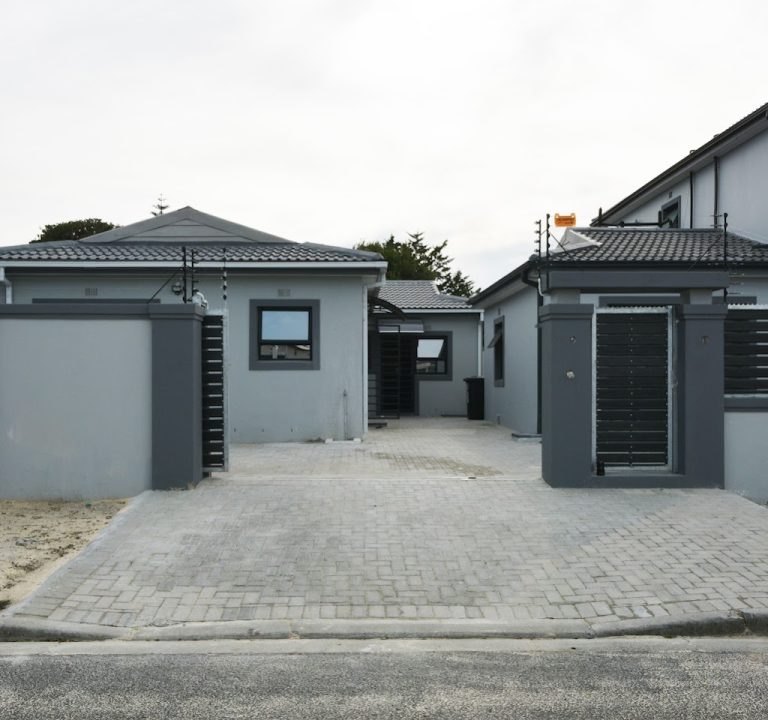
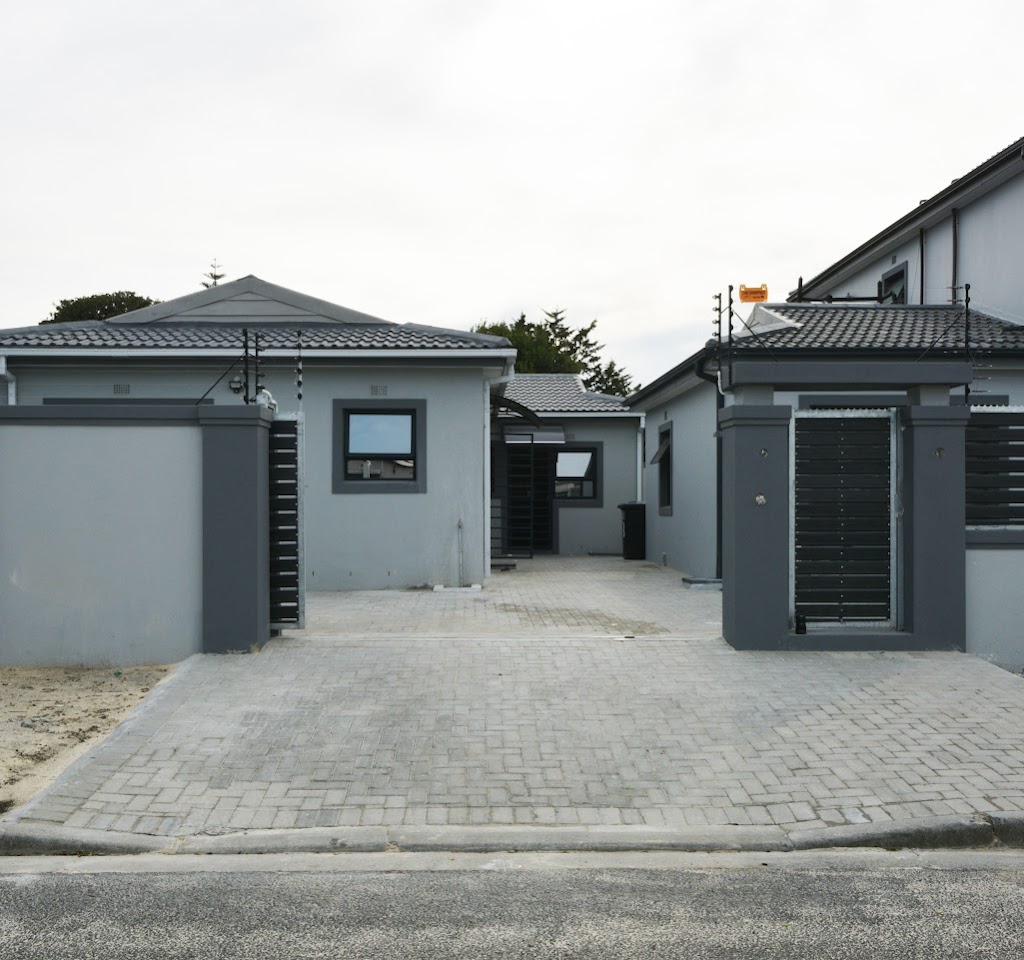
For inspiration on a comfortable and characterful stay, consider a guest house such as Elmed Guest House, which offers a homely base in a convenient area with easy access to the city’s sights and amenities. Their website provides further details on facilities and how they can help tailor your visit to Cape Town: Elmed Guest House.
Whether you are seeking a stylish city‑centre retreat, a serene seaside stay, or a family‑friendly lodge in a green suburb, Cape Town offers a spectrum of accommodation that can suit every traveller. Plan thoughtfully, factor in travel time between sights, and allow space for spontaneous discoveries—sometimes the best experiences are found outside the guidebook.