Cape Town: a guide to accommodation, attractions and planning your stay
Cape Town blends dramatic natural beauty with a cosmopolitan city experience, making it a prime destination for a balanced break. When choosing where to stay, consider the character of neighbourhoods, travel times to key sights, and the rhythm of the city. In recent years, a mix of boutique guesthouses, modern hotels, and relaxed harbour-front stays has become popular with visitors seeking comfort without sacrificing convenience.
For a central base with easy access to both Table Mountain and the V&A Waterfront, the City Bowl and the suburb of Gardens offer leafy streets, boutique hotels, and apartment-style stays. The area around the central business district provides a lively scene, with easy walks to markets, coffee shops and restaurants. In contrast, the Atlantic Seaboard—particularly Camps Bay and Clifton—gives a coastal vibe with sandy beaches, stylish lounges, and sunset views. Constantia, with its wine estates and quiet lanes, suits travellers wanting a slower pace, larger rooms, and plenty of green space just a short drive from the city.
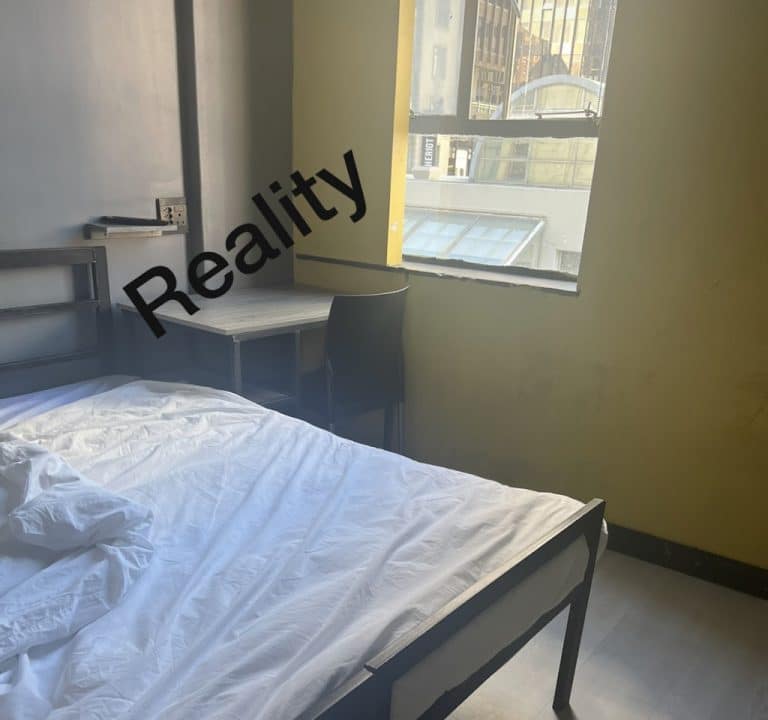
Urban Hip Hotels (and similar contemporary chains) provide modern, well-equipped accommodation with an emphasis on design-led interiors and practical amenities. They are a good option for travellers who value reliability, comfortable beds, good Wi‑Fi, and on-site facilities like cafés or lounges. When booking, check whether the property offers essentials such as secure parking (if you are hiring a car), daily housekeeping, and 24-hour reception. If you plan to stay in a busy area, consider a hotel or guesthouse with soundproofed rooms to help you unwind after long days of exploring.
Typical amenities to look for include en-suite bathrooms, quality linen, climate control, a breakfast option or kitchenette, and clear information about local transport. A practical perk is proximity to MyCiTi bus routes or convenient taxi access, especially if you plan to visit attractions like Table Mountain, Robben Island, or the Cape Winelands on day trips. If you prefer staying in a quieter street with more space, a serviced apartment or a guesthouse with a private entrance can offer added comfort and flexibility for families or groups.
When planning a stay, consider the best time to visit Cape Town. The late spring and autumn months (roughly September to November and March to May) offer mild weather, comfortable outdoor conditions, and fewer crowds than the peak summer season. Winter in Cape Town is generally cooler and can be wet, but it brings a different atmosphere and often lower rates, with plenty of indoor activities, restaurants, and museums to explore.
Transport within Cape Town is straightforward but can vary by neighbourhood. The MyCiTi bus network covers many popular routes, including trips between the city centre, the Waterfront, and nearby suburbs. Taxis and ride-hailing services are widely available, and car rental remains a flexible option for visitors planning to explore the Cape Peninsula, Cape Point, or the winelands at a relaxed pace. If you intend to visit Robben Island, look for accommodation near the V&A Waterfront or Breakwater Lodge area where tour operators often depart. For hikers and nature lovers, consider a base near Signal Hill or the Table Mountain Cableway, so you can begin ascents with ease in the cooler morning hours.
Attractions to prioritise include the iconic Table Mountain and the cableway, the Waterfront precinct with museums and harbour views, Kirstenbosch National Botanical Garden, the colourful Bo-Kaap neighbourhood, and the scenic coastal routes along the Atlantic Seaboard. Within a short drive or boat ride, visitors can reach penguin colonies on the charm-filled Boulders Beach, Chapman's Peak Drive for spectacular coastal scenery, and the Constantia wine route for relaxed tastings. When it comes to meals, Cape Town’s dining scene ranges from casual cafés to elegant restaurants overlooking the sea or the mountain ranges. Many establishments emphasise fresh seafood, farm-to-table produce, and multicultural influences that reflect the city’s heritage. It’s common to find places offering light breakfasts, substantial lunches, and evening menus that showcase regional ingredients.
Practical tips to help you make the most of your stay:
- Book accommodation with clear cancellation policies and a flexible room type if your plans might shift.
- Request guidance on safe neighbourhoods and recommended local routes for walking tours, especially at night.
- Check accessibility options if you have mobility needs or require facilities for children.
- Look for properties that provide accurate location details and transport connections, so you can estimate travel times to major sights.
- Plan day trips early and leave room for spontaneous discoveries—Cape Town rewards slow-paced exploration as well as well-timed adventures.
For inspiration on where to stay, you might consider visiting well-established hotel brands as well as smaller, locally run guesthouses that offer personalised service and a sense of place. A balanced itinerary could mix a stay in a chic inner-city hotel with a couple of nights near the coast or amid a wine country setting. Whatever your choice, Cape Town makes it easy to tailor a stay to your interests—whether you’re chasing hiking adrenaline, beaches and sunsets, museum visits, or world-class dining.
For more information on accommodation options, including contemporary city-centre stays like Urban Hip Hotels, visit their site to explore available properties and booking options. Planning ahead with a flexible itinerary will help you maximise your time in this vibrant part of the Western Cape.