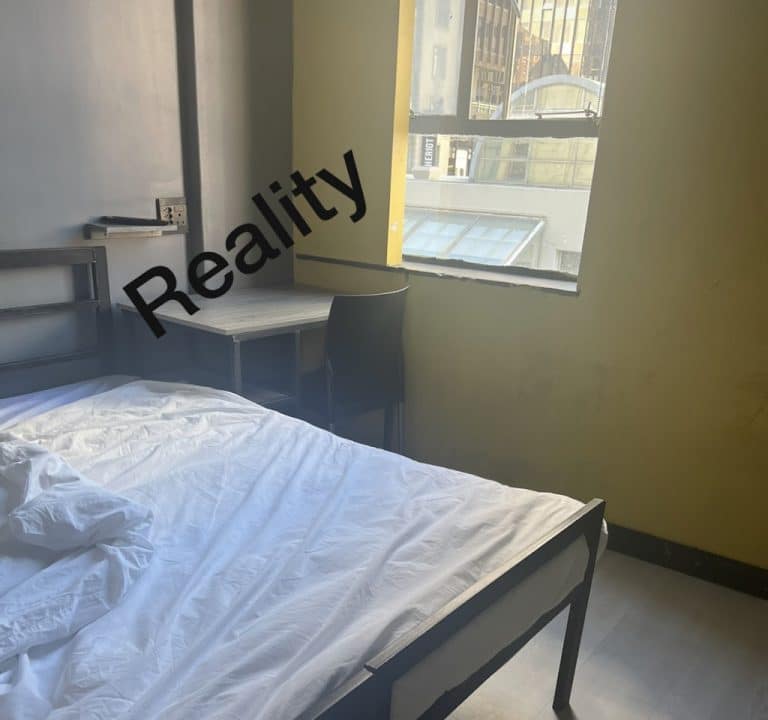
Cape Town Accommodation and How to Plan a Memorable Stay
Cape Town is a city of remarkable contrasts, where dramatic coastal scenery meets vibrant neighbourhoods, and where convenient transport can take you from the foamy Atlantic shore to world‑class dining and culture in minutes. When planning a stay, consider both where you want to be based and what pace you intend to keep. Whether you opt for a stylish hotel on the Atlantic seaboard, a cosy guesthouse tucked into the Northern Suburbs, or a chic boutique stay in the city centre, your choice will shape your daily rhythm, pace, and access to the city’s must‑see experiences.
Areas to consider include the V&A Waterfront and Green Point for harbour views and easy access to beaches and waterfront walks; the City Bowl for proximity to museums, theatres, and dining; Camps Bay and Clifton for sun‑splashed beaches and upscale dining; and Woodstock or the Southern Suburbs for a quieter, residential vibe with easy routes to the Constantia wine route. If your trip centres on nature and outdoor adventures, a base near Table Mountain to the Constantia Valley can minimise daily travel and maximise hiking and scenery time. When selecting a property, weigh proximity to transport hubs, parking arrangements, and whether a property offers easy access to the MyCiTy bus network, Uber, or rental car options.
What to look for when booking helps you avoid surprises. Start with location relative to your planned activities—are you after sea views, easy beach access, or close proximity to the city’s galleries and eateries? Check for practical features such as secure parking, 24‑hour reception, and clear instructions for self‑check‑in if you plan late arrivals. For convenience, many travellers value on‑site amenities like a reliable Wi‑Fi connection, a good breakfast, and a comfortable workspace if you need to catch up on emails. If you’re visiting during peak season, prioritise properties with flexible cancellation policies and clear housekeeping schedules. Accessibility is worth confirming if you have mobility needs, as floor plans and elevator access vary across buildings.
Typical amenities in Cape Town’s accommodation range from well‑appointed boutique rooms with designer touches to modern hotel rooms with spa facilities. Expect comfortable bedding, adjustable lighting, and climate control suitable for Cape Town’s seasonal fluctuations. Some properties offer outdoor pools with sea or mountain views, while others provide compact fitness areas or access to well‑tended gardens. Kitchenette facilities can be handy for extended stays, and self‑catering options are common in many guesthouses and serviced apartments. In many parts of the city, breakfast is either included or available as an add‑on, with options spanning continental, full‑cooked, and light wellness fare.
Transport in Cape Town is generally straightforward but can be time‑consuming if you rely solely on peak‑hour road traffic. If you’re staying near the city centre or waterfront, you’ll find most attractions within a short ride or a pleasant walk. If you plan day trips to the Cape Winelands, the Cape Peninsula, or Table Mountain, a car offers maximum freedom, though guided tours and shuttle services are plentiful and well regarded. Many boutique properties can arrange transfers or recommend reputable chauffeurs, while some larger hotels offer shuttle services to nearby hubs. For those who prefer not to drive, public transport and ridesharing provide practical alternatives to explore the city at a relaxed pace.
The best time to visit Cape Town depends on what you want from your stay. Late spring and autumn (September to November and February to April) offer mild weather and fewer crowds, with blooming gardens and comfortable outdoor conditions. Summer (December to February) is ideal for beaches and harbour activities, though it is busy and prices may be higher. Winter (June to August) brings cooler days and occasional rain, but the city’s indoor attractions, markets, and dining scene remain lively. If your plans include the mountains and coastal scenery, plan for variable weather and pack layered clothing, sun protection, and comfortable footwear suitable for uneven paths and long walks.
Practical tips to smooth your visit:
- Book early for high‑season stays and consider non‑refundable options only if your plans are firm.
- Confirm check‑in times and whether late arrivals are possible, especially if you travel on international flights.
- Ask hosts about parking, security, and recommended safe neighbourhoods for evening strolls.
- Plan a mix of hotel stays, guesthouses, and self‑catering options to balance comfort and flexibility.
- Try to reserve a few dinner reservations in advance, especially for popular venues in peak periods.
When it comes to experiences, Cape Town offers an abundance of options that can complement your stay without overwhelming your schedule. Scenic coastal walks, botanical gardens, and viewpoints that mark the spine of the city invite relaxed days outdoors. Cultural institutions and galleries offer quiet, immersive days, while markets and cafés provide a taste of local life. Restaurants range from casual bistros with ocean views to refined dining rooms that showcase South Africa’s diverse culinary heritage. For a well‑rounded visit, pair a restful base with a few signature experiences, and keep a flexible day or two to enjoy unexpected discoveries along the way. If you’d like to explore properties in Cape Town that suit different budgets and styles, you can start with the city’s official tourism pages or trusted hotel groups, which often list nearby attractions and suggested day trips.