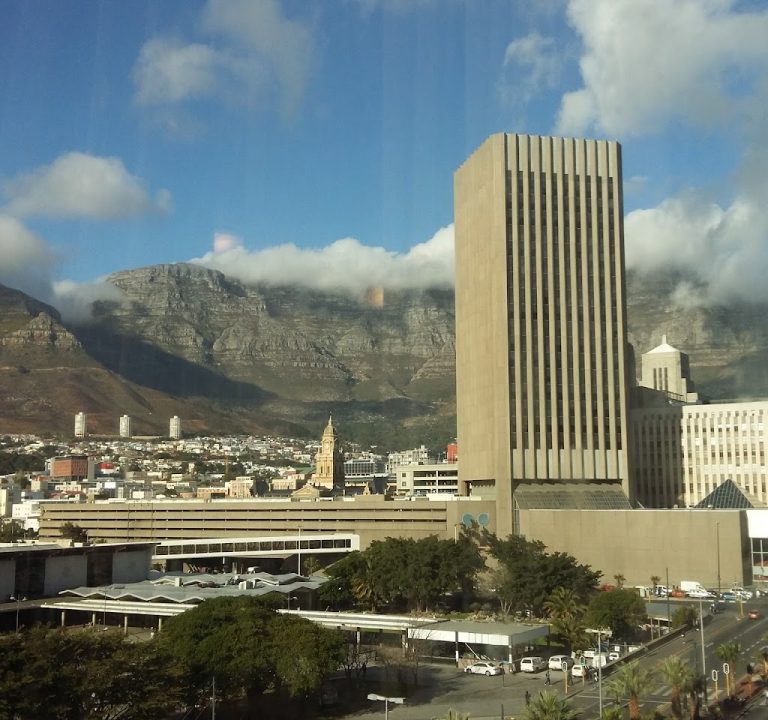
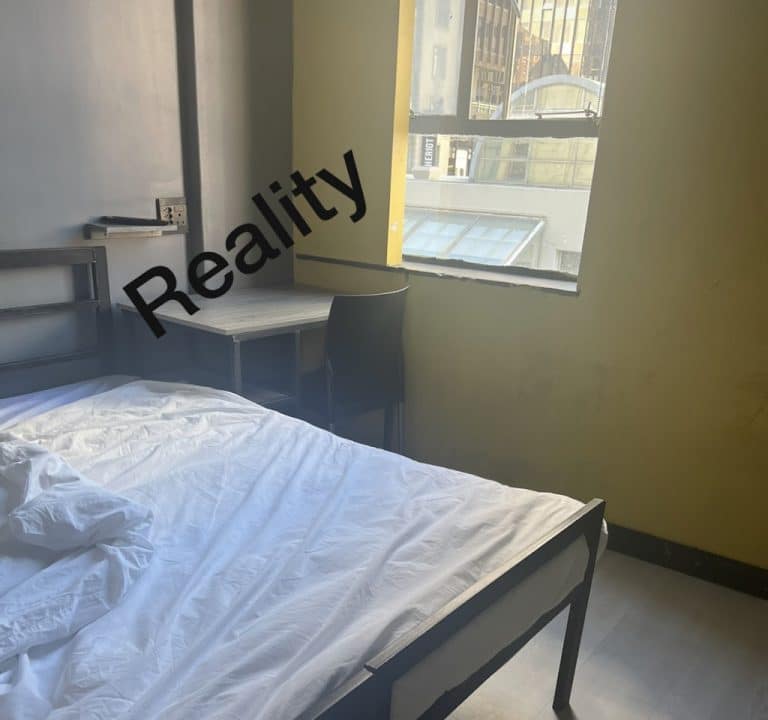
BlackBrick Cape Town is a Hotels establishment in Cape Town, Western Cape, South Africa
About BlackBrick Cape Town
BlackBrick Cape Town forms part of a global network of hotels designed for cosmopolitan travellers who prioritise flexible living, work-ready spaces, and meaningful social connections. Designed with a contemporary, design-forward sensibility, the BlackBrick concept centres on creating urban sanctuaries where guests can live, work and relax without sacrificing style or community.
As an entry in BlackBrick’s expanding portfolio, the Cape Town property is positioned to serve guests who move between cities with ease. The brand’s philosophy emphasises spaces that are adaptable to different rhythms—whether a short city break, a longer stay for work, or a transitional chapter that blends professional endeavours with personal discovery. The overarching aim is to deliver a cohesive experience where design, convenience, and community align to make travel feel intentional rather than incidental.
Guests visiting BlackBrick Cape Town can expect an environment that supports both focused work and relaxed downtime. The emphasis on purposeful spaces means that communal areas are designed to foster connection among travellers, locals, and professionals who share an interest in meaningful experiences. The property is part of a broader, international narrative in which guests are invited to plug into a network that values purposeful living and easy access to city life.
In keeping with BlackBrick’s global footprint, Cape Town acts as a hub for travellers who want the benefits of a hotel while enjoying the flexibility and sociability of a residential-style stay. The concept makes it possible to slip into a rhythm that suits an individual schedule—whether that involves daily routines, work commitments, or social explorations—without compromising on the comfort and polish associated with a quality stay.
The Cape Town offering sits within a cityscape that blends business districts with vibrant neighbourhoods. While specific room types and on-site facilities are not exhaustively listed in available materials, the property is presented as part of a network that prides itself on curated guest experiences, well-considered spaces, and a framework that supports both travel and temporary residence. For travellers who value a connected, contemporary environment, BlackBrick Cape Town provides a point of departure for exploring the city’s urban energy and nearby highlights.
Location plays a key role in the BlackBrick concept. The Cape Town property is represented as part of areas known for their accessibility and their proximity to the city’s essentials. For visitors seeking a base that integrates smoothly with a day of meetings, sightseeing, or leisurely immersion in Cape Town’s urban culture, the BlackBrick approach offers a reliable platform from which to plan each day. The emphasis remains on thoughtful design, community-friendly spaces, and a guest experience that supports mobility and convenience.
For those considering a stay, BlackBrick’s global booking framework is designed to streamline arrangements across cities. Potential guests are encouraged to explore direct booking options via the official BlackBrick channels, ensuring access to the brand’s distinctive mix of stylish environments and practical guest services. While specific pricing, room configurations, and on-site facilities at Cape Town may vary, the overarching model remains consistent: a hotel experience that doubles as a live-work space, with emphasis on ease of transition between city life and personal downtime.
What sets BlackBrick apart is its intention to cultivate a sense of community without compromising individual comfort. The Cape Town property aligns with this aim by offering spaces and a brand ethos that attract travellers who value connection and purposeful experiences. Guests can anticipate a refined atmosphere, where contemporary design meets pragmatic accommodation, and where social spaces are balanced with quiet zones for work or relaxation.
Nearby highlights and areas of interest, while not exhaustively itemised in available materials, are typically aligned with Cape Town’s urban fabric—well-connected districts that offer dining, culture, and easy access to the surrounding landscapes. For visitors, the proximity of the property to distinctive neighbourhoods within the city provides opportunities to explore Cape Town’s unique blend of city energy and South Africa’s natural beauty, while maintaining a comfortable and stylish base.
Booking and travel tips:
- Check the official BlackBrick booking pages for the most current availability and direct rates, which can offer streamlined terms for stays of different lengths.
- Consider flexibility in stay duration to enjoy the best combination of work-friendly spaces and social environments that BlackBrick is known for across its network.
- Explore the brand’s global footprint to understand how different BlackBrick properties complement each other, particularly if planning a multi-city itinerary.
- Visit the official site for travel tips, plan-your-stay resources, and links to related BlackBrick properties, ensuring a cohesive experience across cities.
For more information and to begin a stay at BlackBrick Cape Town, interested travellers can navigate to the brand’s official channels and explore direct booking options that align with the network’s design-forward, community-driven approach to urban living.
Cape Town
Western Cape
8000
South Africa

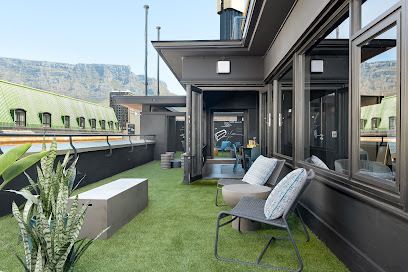


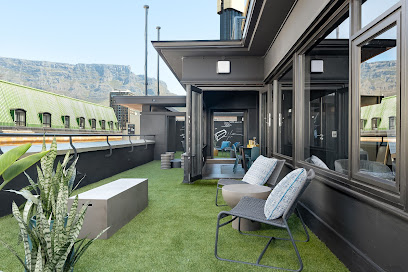
Cape Town: A Guide to Accommodation, Experiences and Planning Your Stay
Cape Town, set beneath the iconic Table Mountain and framed by the Atlantic Ocean, offers a diverse range of places to stay and plenty to see and do. Whether you favour a stylish boutique hotel, a homely guesthouse, or a contemporary serviced apartment, there are options to suit every budget and travel style. When planning a stay, think about the neighbourhoods that best match your plans, transport options, and the pace you want from your visit.
Key areas to consider include the Foreshore and Central City for easy access to business districts, museums and city sights; the stylish promenade and hilltop views of Gardens and Tamboerskloof; the cosmopolitan cafés and markets of Observatory; the family-friendly shoreline and attractions of Sea Point; the scenic Constantia Valley for wine lovers and quiet escapes; and the historic charm of the Bo-Kaap with its colourful streets and rich heritage. If you’re seeking a beach-based vibe with quick access to the Atlantic coastline, coastal subsections around Sea Point and Camps Bay are particularly popular. Hosting a stay in these areas can make day trips and evening strolls simple and enjoyable.
When booking accommodation, look for a few practical amenities. Reliable Wi‑Fi is essential for most travellers, as is secure access and well‑appointed bathrooms. If you’re travelling with family or a group, a hotel or guesthouse with flexible room configurations and a kitchenette or honour bar can be a real advantage. Early check‑in or late checkout policies, and whether the property offers on‑site parking or convenient public transport links, are worth verifying. In Cape Town, many places offer breakfast or light dining options, which can be handy for busy days spent outdoors or exploring the surrounding winelands.
Transport is a practical consideration in Cape Town. The MyCiTi bus network provides city-wide coverage, and rideshares are widely used for convenience and flexibility. If you plan to venture beyond the city centre, it can be worth prioritising accommodation with easy access to main routes or near a MyCiTi stop. For day trips to the Cape Peninsula, hiring a car offers the most freedom, though there are guided tours and scenic excursions for those who prefer not to drive. If you plan to venture to the V&A Waterfront, the harbour area is well served by public transport and is connected to the city centre by pleasant walking routes and short taxi hops.
Best time to visit Cape Town balances climate, crowds and prices. The spring and autumn shoulder seasons—September to November and February to April—often offer pleasant weather, lighter crowds and good value. Summer, from December to February, brings longer days, more outdoor activities and slightly busier streets, while winters are milder than many other destinations, though occasionally wetter. It’s wise to check marine weather if you plan coastal excursions or a trip to the Cape’s penguin-friendly reserves, as sea conditions can influence access and timings.
Where to stay in Cape Town can influence the kind of experiences you have. For proximity to beaches, you may prefer Sea Point or Camps Bay; for culture and city life, the central and historic districts deliver lively evenings and a broad choice of restaurants and bars; and for a quieter, scenic feel with easy access to wine routes and nature, Constantia or the Southern Suburbs are ideal. A well‑located base can cut travel time and leave more hours for exploring the city’s highlights, such as mountain viewpoints, harbour walks, markets, and a growing scene of contemporary art and design.
Dining and casual dining are an essential part of a Cape Town stay. The city’s culinary landscape blends influences from coastal seafood shacks to refined modern cuisine, with many venues offering seasonal menus and local produce. In general terms, you can expect a mix of bright cafés for morning coffee and light lunches, and more intimate or vibrant restaurants for dinner. If you’d rather not plan every meal, look for accommodation with on-site or nearby dining options, and consider markets and street-food hubs in neighbourhoods known for their culinary diversity.
Practical tips to make the most of your visit:
- Book a flexible rate where possible to accommodate weather, transport disruptions or changing plans.
- Inspect the room layout and storage if you’re staying several nights—space and organisation matter for longer trips.
- Ask hosts or reception for their recommended day trips and local routes, especially to the Cape Winelands, Kirstenbosch, or the Cape Peninsula coastal drives.
- Plan a blend of outdoor activities with indoor or cultural experiences to balance energy and weather conditions.
- Pack layers and sun protection, even in mild months, as Cape Town’s climate can shift quickly.
For those seeking a contemporary, design‑forward stay, brands and boutique hotels are increasingly aligning with a traveller’s desire for connection, efficient spaces, and local touches. If you’re curious about modern, city‑centre options that blend comfort with convenience, some properties offer stylish interiors, work‑friendly amenities, and easy access to public transport links. A reputable hotel or hotel‑style network may provide a consistent standard of service, which can be reassuring when planning a multi‑city itinerary. For inspiration, you may wish to explore dedicated hotel networks or collectives with properties in Cape Town, noting that individual property names and offerings will vary by season and availability.
Whether your aim is a leisurely stay with coastal breezes and mountain views, a practical hub for business and sightseeing, or a perfect base for exploring the Cape’s winelands and nature reserves, Cape Town offers accommodation that can match your itinerary. For additional information and booking ideas, you can visit official property pages or travel sites that curate stays in the city, and consider contacting a hotel or guesthouse directly through their official website for the latest rates and personalised recommendations. An effective plan often starts with a clear sense of the areas you’ll frequent, followed by flexible arrangements to accommodate weather, transport and personal pace.
Sorry, no records were found. Please adjust your search criteria and try again.
Sorry, unable to load the Maps API.
Why Claim Your Listing?
Claiming your listing on the B&B Finder directory website is a valuable opportunity for business owners. Here are five reasons why you should consider claiming your listings:
Control Over Business Information: By claiming their listing, business owners can ensure that all the information presented is accurate and up-to-date. This includes details such as contact information, address, pricing, and available services or amenities. Accurate information helps prevent customer confusion and improves overall satisfaction.
Enhance the Listing: Once a listing is claimed, owners can enhance it by adding more comprehensive information and rich media, like high-quality photos and videos. These additions can make the listing more attractive and engaging to potential customers, thereby increasing the likelihood of bookings.
Marketing Opportunities: Claiming a listing can also open up additional marketing opportunities. Owners may be able to participate in promotional campaigns, special offers, and other marketing activities organized by the directory. This can increase visibility and attract more customers to the business.