Discover Polokwane: where to stay and what to do in Limpopo
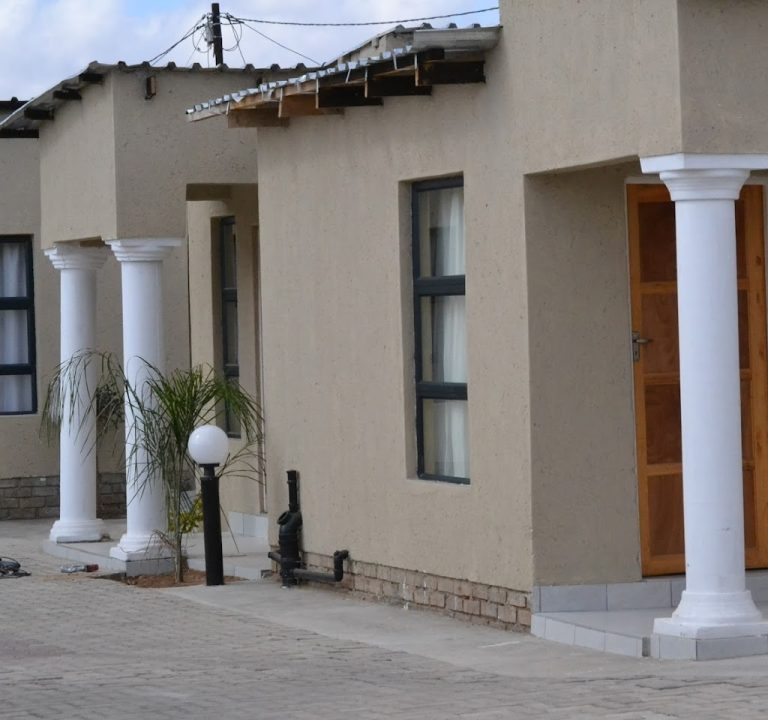
Polokwane, the capital of Limpopo, combines the accessibility of a city with the warmth of a welcoming South African town. When planning a stay, many travellers focus on reliable accommodation, convenient transport, and easy access to nature and culture. The city offers a range of options from guest houses and boutique stays to more extensive lodges on the outskirts, all within reach of the region’s landscapes, markets, and museums. For those seeking a homely base with character, units such as Unit G Guest House provide a central launching pad for daily explorations while retaining comfort and privacy.
Areas to consider
- City centre and convenient corridors: Staying near the town centre makes it simple to walk to shops, eateries, and taxis, with easy access to the airport and main roads for day trips.
- Suburban and leafy neighbourhoods: Outer suburbs and security-gated estates often provide quieter evenings and larger rooms, ideal for families or longer stays.
- Near nature and reserves: Lodges and guest houses on the periphery give quick access to open spaces, wildlife reserves, and outdoor activities.
What to look for when booking
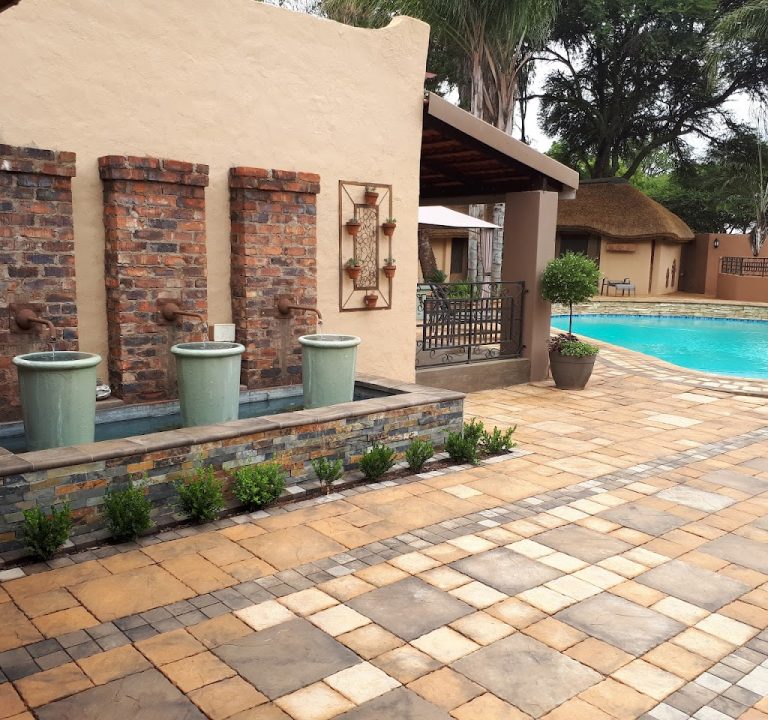
- Comfort and privacy: Check room layouts, en-suite bathrooms, and whether there are communal areas you can use, such as a lounge, garden, or plunge pool.
- Practical amenities: Look for reliable Wi‑Fi, secure parking, air conditioning or fans for Polokwane’s warm days, and a good breakfast offering if you plan early excursions.
- Transport links: Proximity to the airport, a hiring car option, or rental shops nearby can save you time. If you rely on taxis or ride-hailing, confirm availability in your booking.
- Safety and accessibility: Confirm gate security, well-lit entrances, and accessible rooms if required.
- Local knowledge: Hosts with good local knowledge can suggest routes to attractions, markets, and restaurants, and they may offer recommendations for guided walks or day trips.
- Policies and flexibility: Flexible cancellation terms and clear house rules help when plans change.
Typical amenities and thoughtful touches
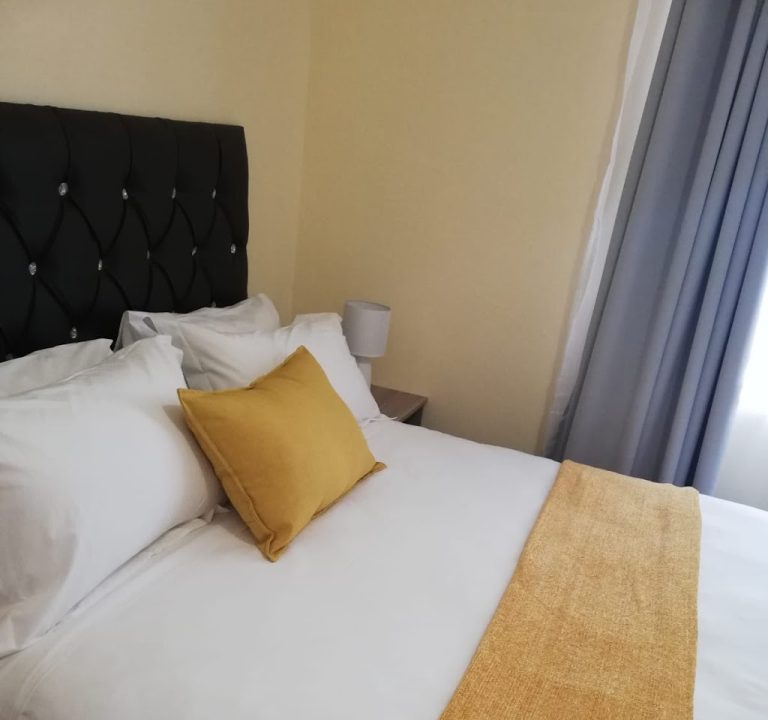
- Sleeping comfort: Quality beds, blackout curtains, and clean en-suite facilities contribute to restful nights after long travel days.
- Food and drink: A hearty breakfast or self-catering options, plus tea and coffee stations, are appreciated. Some properties arrange packed lunches or offer evening meals on request.
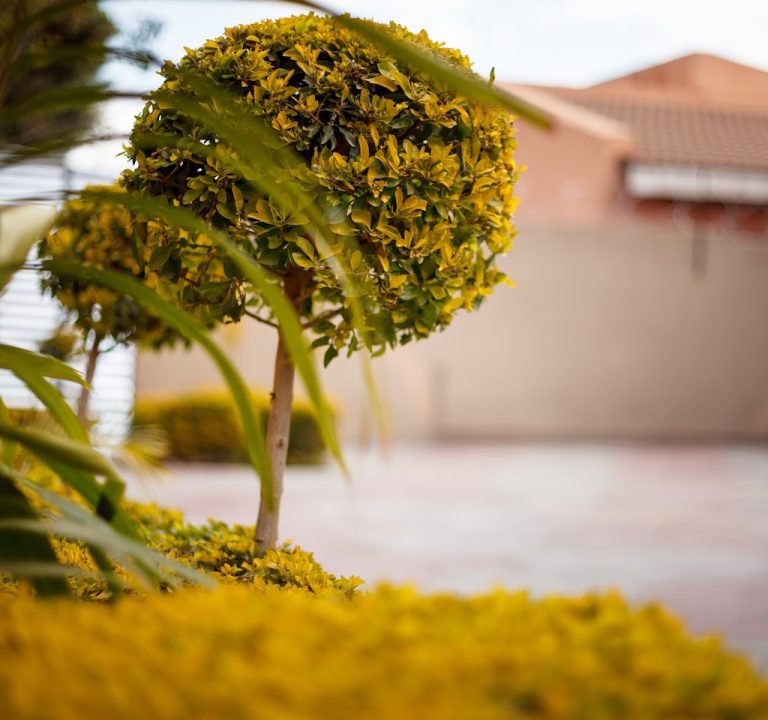
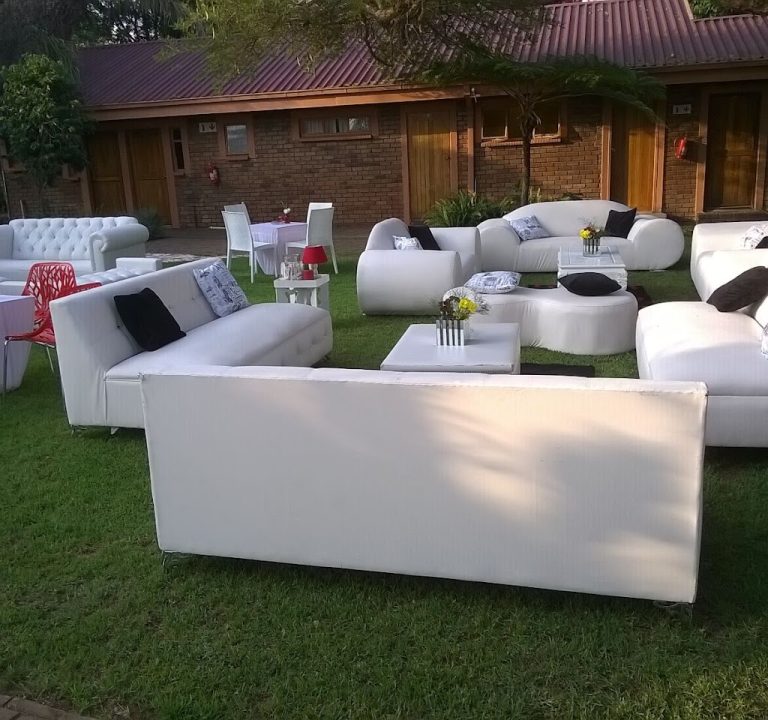
- Outdoor spaces: Gardens, shaded verandas, and seating areas invite guests to unwind after sightseeing.
- Work and travel needs: A suitable writing desk or workspace, charging points, and stable Wi‑Fi for planning itineraries or catching up on emails.
- Local character: Lightweight decor and a sense of place, such as regional fabrics or artisan touches, enhance the stay without compromising comfort.
Transport and getting around
- Self-drive is common and convenient, given the distances between attractions around Polokwane and the broader Limpopo region.
- Taxis and rideshares are available, though pre-booking a transfer or arranging a taxi through the guest house can offer reliability for early starts.
- If you plan day trips to nature reserves or cultural sites, check whether your accommodation offers guided outings or can arrange a driver.
Best time to visit
- Dry season (roughly May to September) often offers cooler daytime temperatures and clearer road conditions, making it a popular time for safari-style day trips and outdoor activities.
- The wet season can bring lush landscapes and occasional showers; this period is still charming but may require rainy-day plans and flexibility.
- Hottest periods tend to be in the peak of summer, so planning outdoor activities for mornings or late afternoon is sensible.
Attractions and experiences (general overview)
- Nature and wildlife: The area has accessible nature reserves and birdlife, with opportunities for guided safaris or nature walks. Even if you are not visiting a large reserve every day, the surrounding countryside provides scenic drives and photo opportunities.
- Cultural insights: Local galleries, markets, and museums offer a glimpse into the region’s heritage and contemporary crafts. Engaging with community-run venues can be a memorable part of your stay.
- Markets and shopping: Modern malls and local markets provide a mix of shopping, snacks, and handmade goods—great for picking up unique souvenirs or sampling street foods.
- Evening and dining: A range of eateries within short driving distance from accommodation options allow for relaxed dining experiences, whether you crave traditional favourites or contemporary twists.
Practical tips for planning a stay
- Book ahead in peak periods and consider midweek stays for better rates.
- Read guest reviews focusing on cleanliness, security, and responsiveness of the host.
- Confirm arrival times and whether late check-in is possible, especially if you fly in late or arrive by road after sunset.
- Pack sensible clothing for warm days and cooler evenings, plus comfortable footwear for easy walking.
Sample accommodation option
- Unit G Guest House, a centrally located stay that offers a practical base for exploring Polokwane and the surrounding region. Visit their website for full details and booking options: Unit G Guest House.
In summary, Polokwane offers a friendly mix of comfortable stays and easy access to nature, culture, and local flavours. When choosing where to stay, prioritise comfort, accessibility, and good local knowledge from hosts. With thoughtful planning, you can craft a balanced itinerary that includes restful downsides in the morning, scenic drives in the afternoon, and satisfying meals in the evening.