Polokwane, Limpopo: where to stay, what to do and how to plan your visit
Polokwane, the capital of Limpopo, offers a lively mix of urban convenience and easy access to nature. A well-chosen stay can shape your trip—from relaxing in a comfortable guest house to using a well-positioned hotel as a base for day trips to nearby reserves, markets and cultural experiences. When planning a stay, consider the area that best matches your itinerary, the size of your party and how you like to travel around.
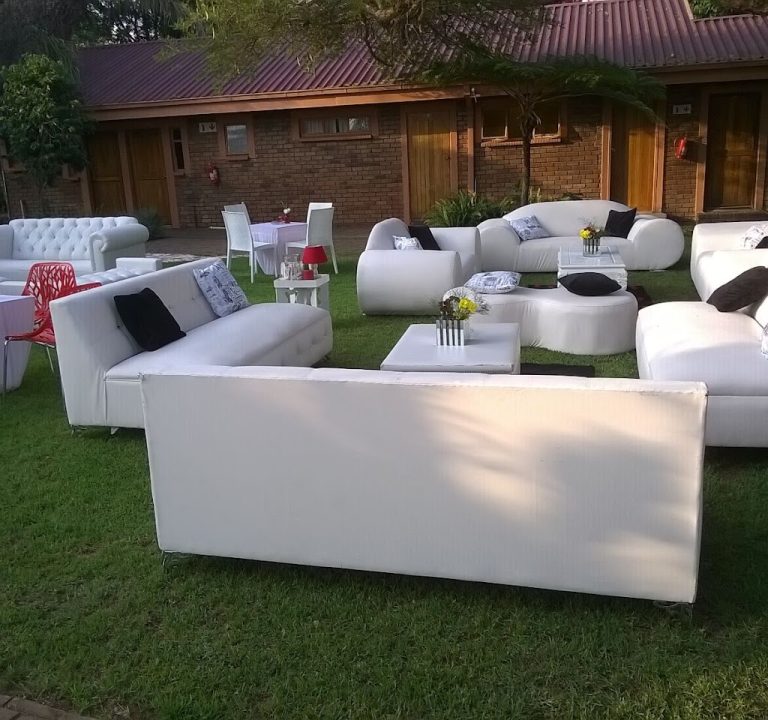
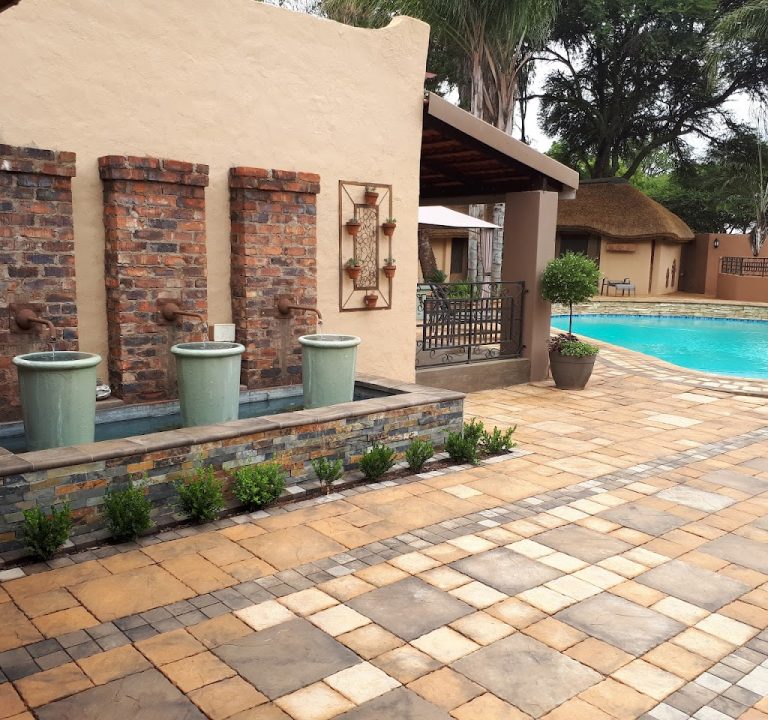
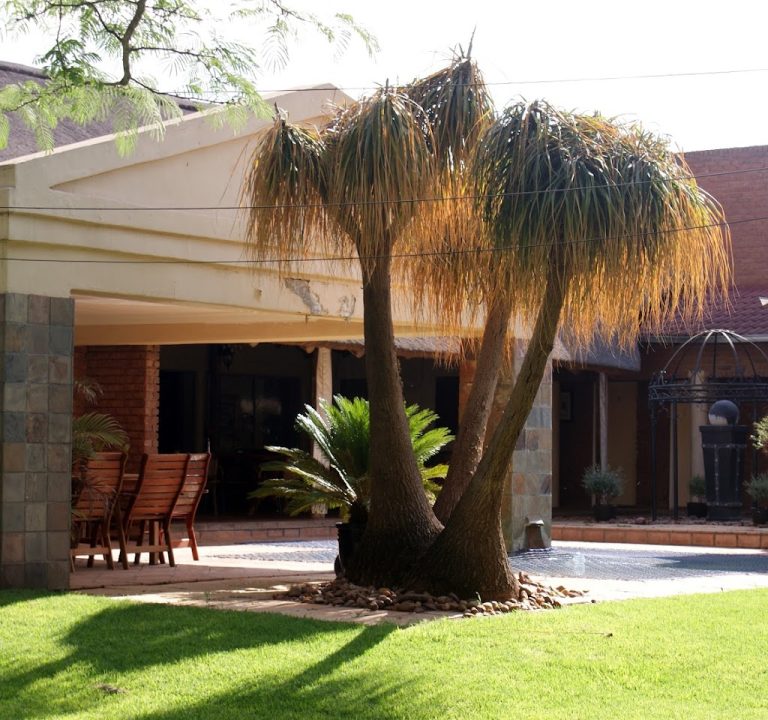
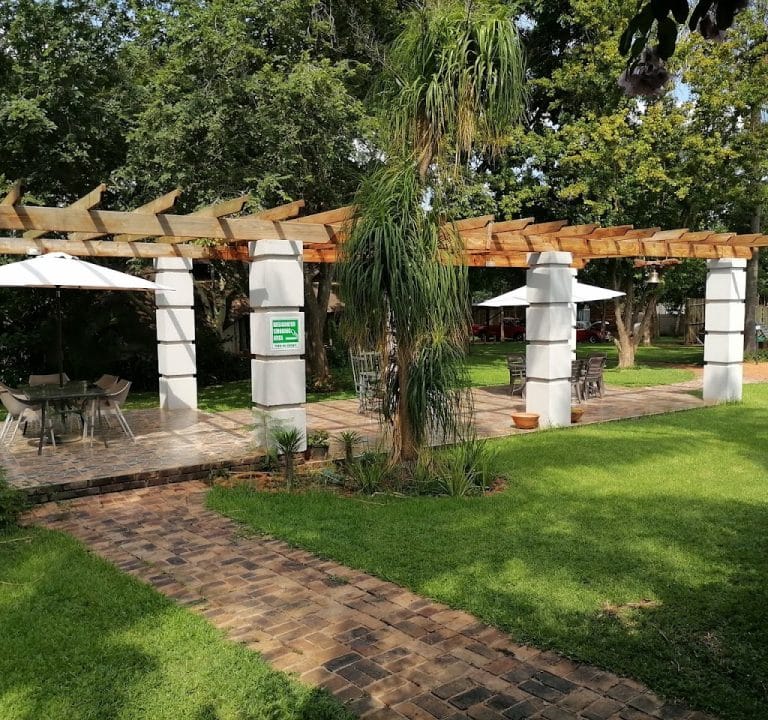
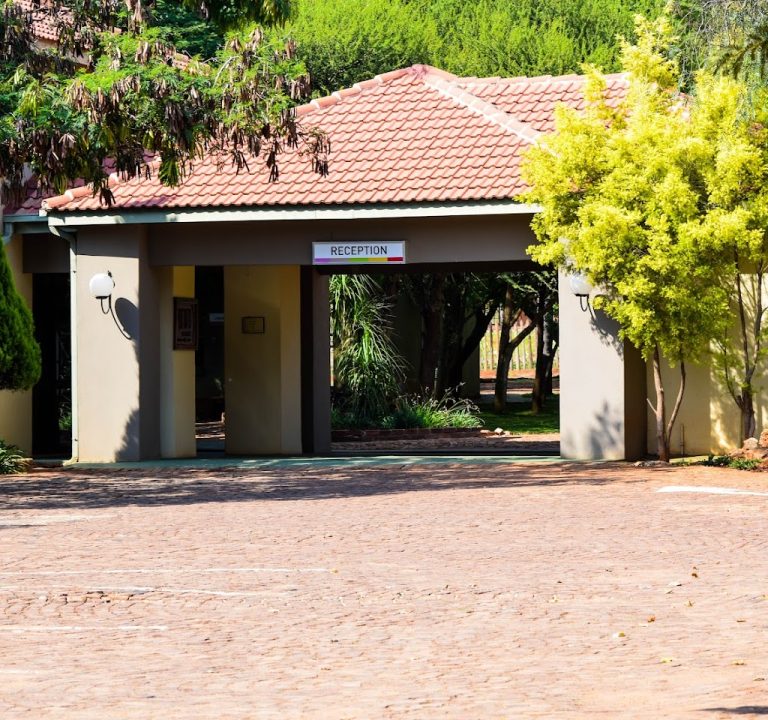
Accommodation in Polokwane ranges from intimate guest houses to modern hotels and self-catering apartments. If you value a personal touch and a homely feel, a guest house such as Eltasha Guest House (where available) can offer friendly hosts, private rooms and shared lounge spaces, often at competitive rates. In the city centre, you’ll find options with easy access to taxis and rideshare services, convenient for those looking to explore without a car. Suburban zones such as the northern suburbs typically provide quieter streets, larger rooms and on-site parking, which can be a boon for travellers with a rental vehicle.
Typical amenities to look for include secure parking, reliable Wi-Fi, air conditioning or fans (Polokwane can be warm in the dry season), en-suite bathrooms, and a hearty breakfast option if you enjoy a morning meal before heading out. If you’re planning long drives or wildlife excursions, an on-site kitchen or kitchenette can be convenient for preparing meals. Proximity to supermarkets, cafes and casual eateries is also worth weighing, so you’re never far from a quick bite after a day of exploring.
Transport planning is key. If you intend to explore beyond the city, renting a car provides the most flexibility for day trips to nearby nature reserves, viewpoints and markets. Polokwane also has bus routes and ride-hailing services, which are useful for shorter hops within the city. For those who prefer not to drive, selecting accommodation with nearby access to reliable transport options can save time and reduce stress.
Best time to visit Polokwane tends to follow the South African climate patterns. The city enjoys warm summers and mild winters, with the wet season typically in the summer months. Tourist activity often peaks during school holidays when indoor and outdoor attractions are popular with families. The shoulder seasons can offer more comfortable temperatures for outdoor activities such as nature walks, birdwatching and photography, while still providing decent daylight hours for exploration.
Attractions in and around Polokwane are diverse. Within the city, you’ll find cultural spaces, markets and parks that showcase Limpopo’s rich heritage and vibrant street life. For nature lovers, day trips to nearby game reserves or nature reserves can provide a chance to see wildlife in a Malawian-style landscape without extensive travel. Longer excursions can combine a visit to a larger reserve with a stop at scenic viewpoints or agricultural experiences, delivering a well-rounded sense of the region’s biodiversity and farming heritage.
When it comes to dining, Polokwane offers a spectrum of options—from casual cafes serving light meals and coffee to more formal dining spots that celebrate local ingredients. In planning meals, consider trying a mix of places that focus on contemporary South African flavours and those that offer more traditional dishes. If you’re staying in a guest house or a small hotel, ask hosts for recommendations; locals frequently know the best value spots and seasonal specials. For a relaxed plan, you might arrange a couple of evenings at nearby eateries that suit your budget and preferred pace, then reserve ahead during peak periods.
Practical tips for a smooth stay:
- Book ahead in peak travel periods and consider flexible rates when possible.
- Request quiet rooms if you are a light sleeper and check for accessibility features as needed.
- Confirm parking arrangements if you are driving, and inquire about guesthouse policies on security and visitor access.
- Pack comfortable walking shoes for urban strolls and light outdoor excursions.
- Check weather forecasts and seasonality to plan outdoor activities accordingly.
Choosing the right place to stay in Polokwane sets the tone for your trip. A centrally located option can make evenings in the city convenient, while a more tranquil suburban base can offer restful mornings and straightforward driving routes to the surrounding countryside. Whether you opt for a guest house with a personal touch, a modern hotel, or a self-contained apartment, the key is to align your lodging with your daily plans, budget and transport preferences. With thoughtful planning, Polokwane is well placed to deliver comfortable stays, easy access to attractions and a taste of Limpopo hospitality that leaves a lasting impression.