Polokwane, Limpopo: A practical guide to accommodation, sights and dining
Polokwane, the capital of Limpopo, offers a welcoming base from which to explore the province’s diverse landscapes, wildlife encounters and cultural heritage. When planning a stay, consider a few core factors to ensure you get the right blend of comfort, convenience and atmosphere for your itinerary.
Areas to consider when booking include the city centre, which is convenient for easy access to shops, markets and transport links, though some visitors prefer quieter residential neighbourhoods on the fringes of town such as Bo-Phalane, Moregalo or Westenburg for a more relaxed ambience. If you are travelling with family or planning longer stays, look for self-catering options or serviced apartments in calmer precincts with parking and a well-equipped kitchen. For split stays, you might combine a mid‑range guesthouse near central amenities with a private self‑catering option for some downtime after day trips.
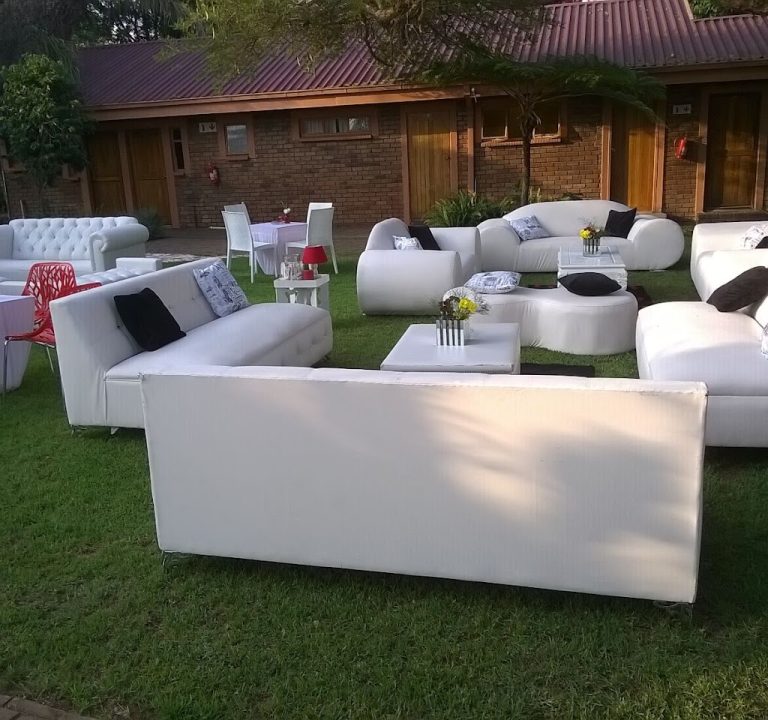
Typical accommodation in Polokwane ranges from guesthouses and boutique hotels to self-catering apartments and lodges on the outskirts. A comfortable stay often includes access to a private or shared outdoor area, reliable Wi‑Fi, and a good breakfast offering or a kitchenette. In self-catering properties, check for essentials such as a well-equipped kitchen, laundry facilities, and secure parking. If you prefer hotel-style service, filter for options that include daily housekeeping, 24‑hour reception or on-site dining. Reading guest reviews can provide a practical sense of how clean, quiet and convenient a property feels in practice.
Transport is a practical consideration. A private vehicle is often the easiest way to explore Polokwane and the surrounding countryside, particularly if you plan day trips to wildlife reserves or scenic viewpoints. If you are relying on public transport, verify proximity to bus routes or ride-hailing options, and check whether the property offers a shuttle service. Many visitors choose to rent a car for the duration of their stay, which affords flexibility for early departures to activities and comfort when returning late in the evening.
Best time to visit Polokwane generally aligns with the region’s dry season and school holidays. The cooler winter months (May to August) can be pleasant for day trips and city exploration, though mornings and evenings may be chilly. The shoulder periods offer fewer crowds and comfortable temperatures for both outdoor activities and sightseeing. If your focus is wildlife or birdwatching, the timing of local reserves and migratory patterns will influence your plans, so it is worth checking seasonal highlights before you travel.
Practical tips for a smooth stay include confirming parking arrangements, kitchen facilities in self‑catering options, and whether the accommodation provides guest access to communal spaces such as a lounge or pool. For comfort, consider properties with air conditioning or fans in hotter months, and ensure there is adequate security, especially if you will be out late or returning after dark. Keeping a printed map or offline navigation on hand can be helpful in an area where satellite signal may occasionally be inconsistent in certain streets or rural edges.
Accessibility and amenities can shape your choice as well. If you are travelling with children, look for family-friendly features such as spacious rooms, cribs or cots, and a nearby supermarket for easy provisioning. For older travellers or guests with limited mobility, check that the entrance and common areas are accessible and that lifts or ramps are available where needed. A short stroll from well-lit streets and pedestrian areas can also make evenings safer and more enjoyable.
Polokwane offers a variety of dining experiences and social spots without needing to venture far from a well‑located base. In general terms, expect casual eateries, local cafés, and restaurants offering a mix of South African favourites and contemporary dishes. Market stalls and informal venues in the city can be excellent places to sample fresh produce, baked goods and regional snacks. If you prefer a more refined setting, many hotels and guesthouses feature on-site dining or are situated near clusters of dining options, allowing you to choose a relaxed meal close to your accommodation.
As for attractions, Polokwane serves as a gateway to the broader Limpopo region. Within the city, you’ll find parks, botanical spaces and cultural heritage sites that provide a gentle, informative pace for the day. The surrounding area invites wildlife-watching at nearby reserves, birdlife opportunities, and the chance to discover landscapes that transition from open savannah to wooded surrounds. For a well-rounded visit, plan a mix of urban exploration, nature-based outings and opportunities to learn about local crafts and history. When selecting activities, consider your pace and interests, and leave space for spontaneous stops to enjoy scenic viewpoints, village markets or a coffee stop with a view.
- Book a property with flexible check-in times to fit irregular travel plans.
- Prioritise self-catering options if you prefer independent meal times and cost control.
- Choose accommodation with parking and secure access for peace of mind.
- Plan day trips to nearby reserves or nature trails to maximise your stay.
- Check the distance to the city’s main amenities and transport links to minimise daily travel time.
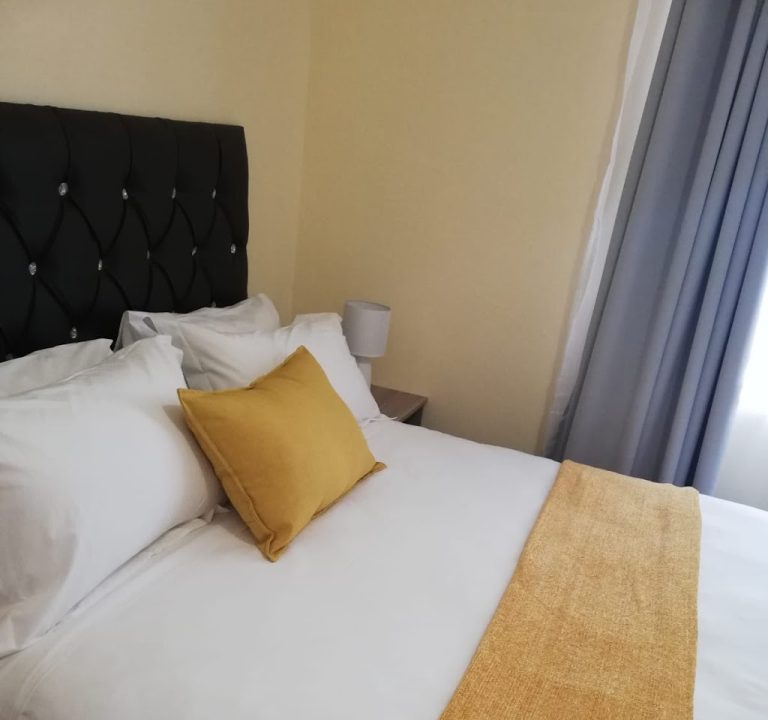
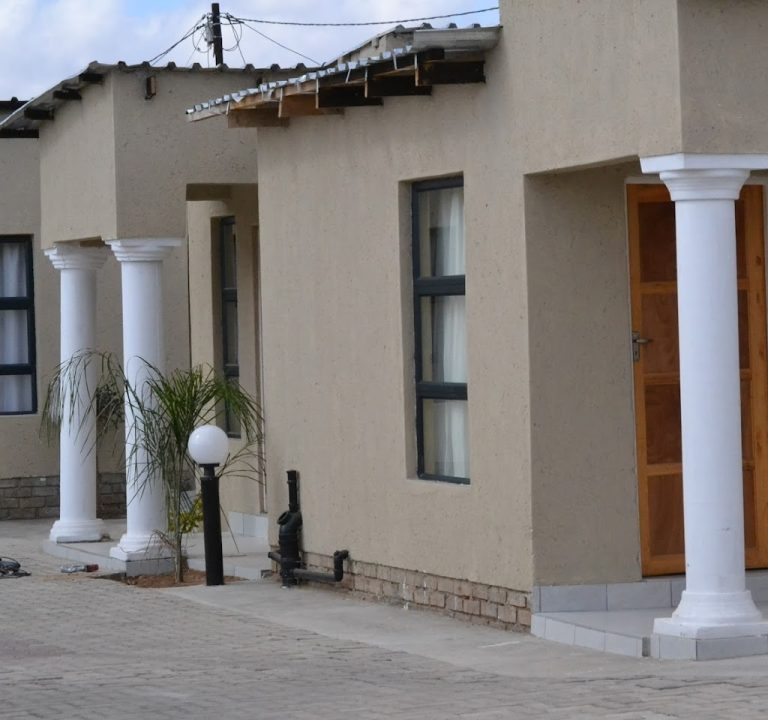
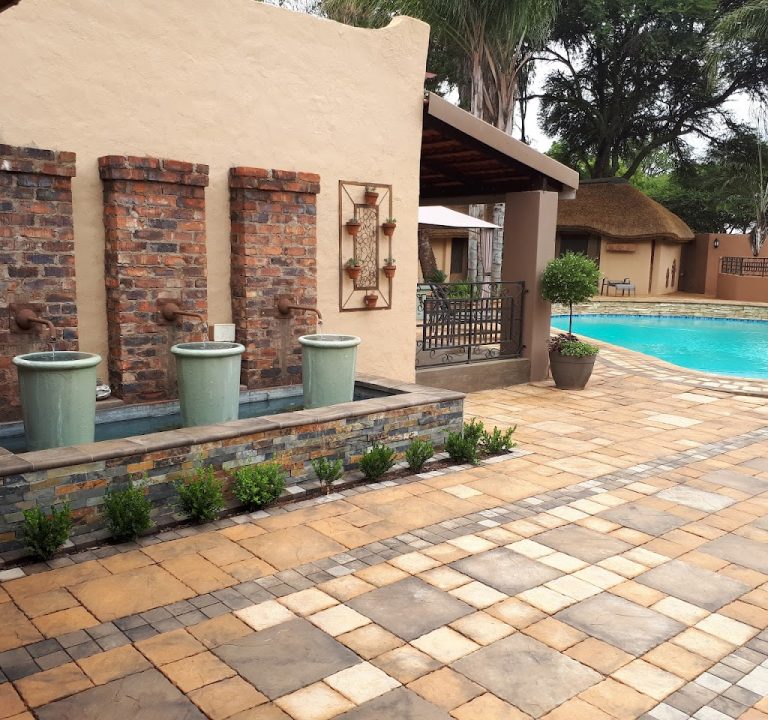
One example of the type of stay you might encounter is Molas Luxury Accommodation, a self-catering option in Polokwane that embodies the appeal of modern comfort and practical facilities for guests who value independence alongside thoughtful touches. While planning your trip, you can compare similar options based on location, self-catering facilities, and ease of access to the sights and dining choices you want to enjoy.