Johannesburg: Accommodation and Highlights for a Well-Planned City Stay
Johannesburg, a dynamic gateway to Gauteng and a hub of culture, history and modern flavour, rewards visitors who choose a well‑considered base from which to explore. The city’s accommodation scene ranges from stylish boutique guesthouses and lodge‑style hotels to contemporary city darlings with all the modern comforts. When planning a stay, think about convenience, security, and how you like to spend your time, whether you’re chasing theatres, markets, museums or day trips to nearby towns and natural spaces.
Neighbourhoods to consider help shape your experience. The northern suburbs such as Sandton and Randburg offer high‑end hotels, serviced apartments and a calm, polished atmosphere with easy access to business districts and shopping centres. Rosebank and Melville provide a more bohemian, vibrant vibe with a mix of guesthouses and boutique hotels, plus lively eateries and markets. For a culture‑driven stay, Braamfontein and the Maboneng Precinct deliver walkable streets, galleries and cafés, with options ranging from stylish lodges to small hotels that prioritise contemporary design. In the heart of the city, the city centre itself brings a mix of heritage properties and modern stays, handy for museum districts and theatre venues. Soweto, a short drive away, offers lodge‑style boutique stays and guesthouses that provide authentic community experiences as well as a gateway to township tours and vibrant dining.
When you are choosing accommodation, look for a few key features that make a difference to comfort and planning ease. First, consider access to reliable transport: a property with parking or easy access to rideshare stops can simplify evenings out, while proximity to a Gautrain station or major bus routes makes day trips simpler. Next, check the amenities that matter to you—free Wi‑Fi for work or streaming, climate control for the city’s warm summers or cool winters, on‑site parking, a restaurant or room service, and a comfortable workspace if you plan to combine work with travel. A generous breakfast is a real time‑saver for busy days, and a small gym or pool can add a welcome touch of relaxation after long city walks.
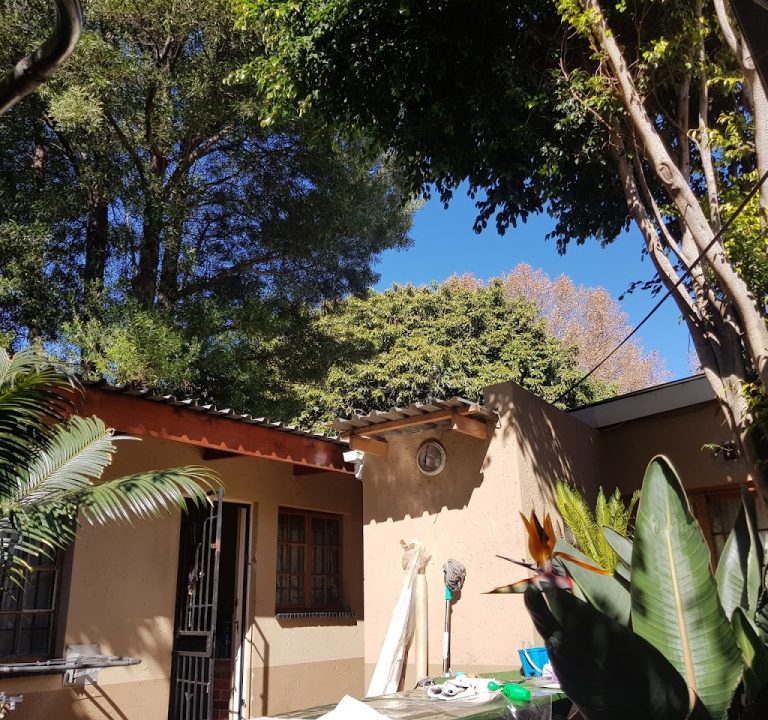
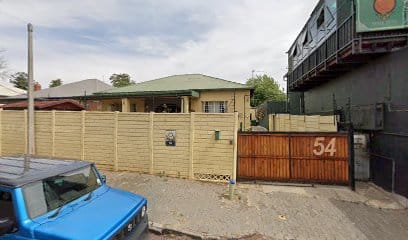
For a stay at a place such as Umkhonto Lodge, you could expect a boutique ambience with well‑appointed rooms, attentive service and thoughtful touches that help you feel at home while you explore. Some properties offer curated experiences or local tours, but even without such packages, you can usually arrange independent activities with front‑desk assistance or a concierge service. Booking platforms often flag guest reviews focusing on quiet rooms, comfortable beds, and helpful staff—consider these when weighing options, alongside practical details like late‑check‑in, breakfast times, and proximity to your planned activities.
Typical amenities you may encounter in Johannesburg’s accommodation mix include air‑conditioning or good heating, secure parking, 24‑hour reception in larger hotels, and well‑appointed bathrooms with reliable hot water. Many boutique stays highlight stylish interiors, locally inspired design, and compact lounge spaces. Kitchenette facilities or self‑catering options can be handy for longer stays, particularly in areas a bit further from central dining spots. If you are travelling with family or a group, serviced apartments or multi‑room suites can offer more flexibility and value than several separate rooms.
Transport in Johannesburg is best viewed as a mix of convenience and caution. Ridesharing apps are widely used, and the Gautrain provides a fast connection to Pretoria or the O. R. Tambo International Airport region from certain hubs. Within the city, taxis and rideshares are practical, but plan extra time for peak traffic, which can be heavy in urban corridors. If you rent a car, be mindful of parking expectations and city regulations in different districts. Walking can be pleasant in compact, lively precincts such as certain markets, art districts and neighbourhood hubs, but in other areas you’ll want a car or public transport to move efficiently between sights.
Best time to visit Johannesburg tends to be outside the peak humid peak of summer, with spring (September to November) and autumn (March to May) offering pleasant temperatures for exploring outdoors, gardens, and city streets. If you are visiting for cultural events or festivals, align your stay with those calendars and book well in advance for popular venues. Summer afternoons can bring showers, so a light rain jacket and a flexible itinerary help keep plans on track.
Planning practical tips can save time and stress. Do a quick pre‑stay checklist: confirm arrival times, organise an airport transfer if you’re not using a local taxi service, and map out your essential routes between the hotel, museums, and dining. Pack a universal adaptor, sunscreen, a hat for outdoor days, and a good map or offline navigation on your phone. When dining out, explore a mix of established restaurants and smaller, local spots to sample a range of flavours—from traditional South African dishes to modern fusion concepts. Respectful etiquette and awareness of safety in busy urban areas are sensible, especially after dark or when venturing into less familiar districts.
Beyond the hotel, Johannesburg offers a wealth of attractions that suit varied interests. You could arrange a thoughtful visit to historic and cultural sites, enjoy expansive markets and street‑food hubs, or take a guided tour to learn about the city’s complex history and vibrant present. In the evenings, a stroll through well‑appointed dining corridors or a curated night market can be a memorable complement to a day of sightseeing. Whether you choose a polished hotel in a cosmopolitan zone or a charming guesthouse closer to neighbourhood galleries and cafés, Johannesburg is a city of contrasts that rewards careful planning, a moderate pace, and curiosity about the stories whispered along its streets.
Suggested planning steps at a glance:
- Identify two or three neighbourhoods that match your interests (business, culture, markets, and dining).
- List must‑see attractions and plausible day trips, pairing them with nearby lodging options.
- Check transport options from the hotel to major sights and meals, noting peak travel times.
- Assess essential amenities and any extra services (breakfast, parking, on‑site dining).
- Consider safety, walking distances, and how evenings will be spent in each area.