Johannesburg: where to stay and what to do in Gauteng
Johannesburg, a dynamic gateway to South Africa’s Gauteng province, offers a broad spectrum of accommodation to suit every traveller. From stylish city-centre B&Bs to leafy guesthouses in suburban neighbourhoods, visitors can base themselves close to cultural hubs, markets, museums and a thriving dining scene. When planning a stay, consider both the pace you want and the accessibility you need to the city’s key sights.
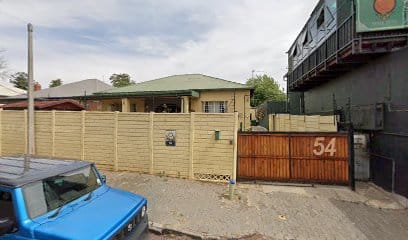
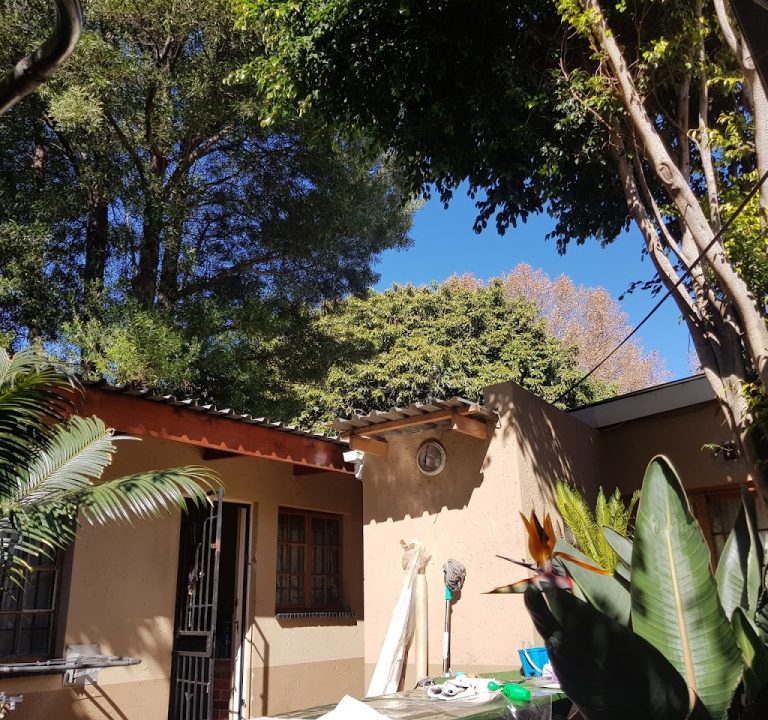
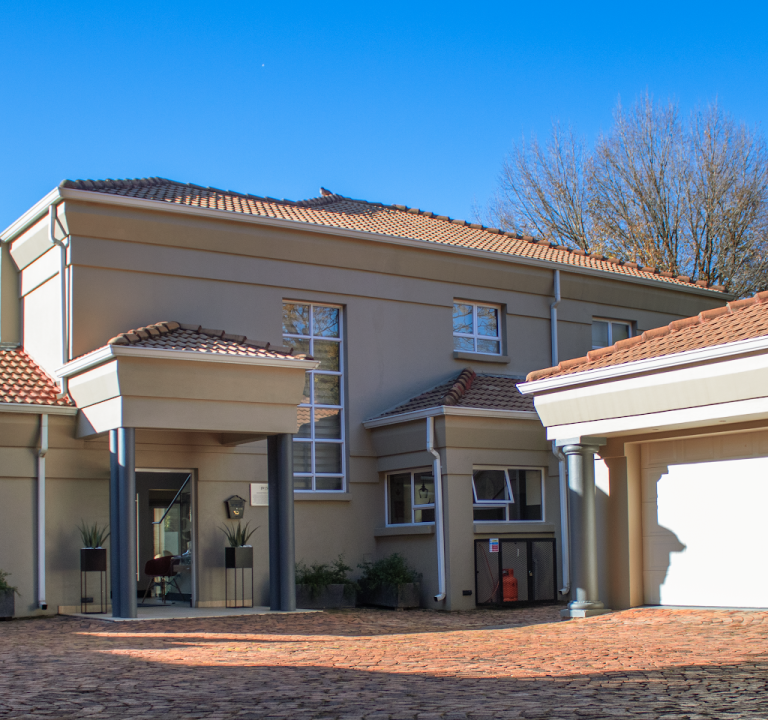
Accommodation options range from intimate bed & breakfasts to contemporary boutique hotels and self-catering apartments. In central and northern suburbs you’ll frequently find properties that blend modern comforts with easy access to public transport. In quieter residential areas, guesthouses and cottages often provide a homely feel, with breakfast service and friendly local tips that help you navigate the city like a local. One example of this type of option is Cottage in the Grove, which exemplifies the comfortable, personalised service you can expect from well-run B&Bs in well-connected parts of the city.
When choosing where to stay, think about a few practical considerations. Proximity to the areas you plan to explore can save time and minimise transfers after long days of sightseeing or business. Consider whether you’d prefer a neighbourhood with a vertical arts scene and night markets, or a peaceful residential street with easy access to taxis or ride-hailing services. Make sure your chosen property has clear information about safety, on-site staff availability, and guest essentials such as reliable Wi-Fi, secure parking, and a responsive front desk.
Areas to consider:
- City bowl and central business district for easy access to museums, galleries, markets, and a bustling nightlife.
- Sandton and Rosebank for a cosmopolitan feel, upscale shopping, and well-connected transport options including rail links and highways.
- Braamfontein and Maboneng for a creative vibe, street art, cafés and an array of pop-up events and eateries.
- Melville or Linden for a quieter, bohemian atmosphere with charming guesthouses and local dining.
- Soweto with guided tours that illuminate history and culture, paired with homely guesthouse stays that offer warm hospitality.
- Northcliff and surrounding leafy suburbs for a peaceful break, Often with larger grounds and a village feel.
Typical amenities to look for include en-suite bathrooms, reliable heating or air conditioning for changing seasons, and flexible dining options such as breakfast service, on-site cafés, or self-catering facilities. If you travel for work or longer stays, check for workspaces, strong Wi-Fi, and laundry facilities. Transport access is also crucial: ask about on-site parking, shuttle services, or proximity to Gautrain stations or major bus routes. A practical tip is to confirm transfer times to and from the airport, especially if you’re arriving late or leaving early in the day.
Best time to visit Johannesburg generally aligns with mild, sunny weather in spring (September to November) and autumn (March to May). The city’s climate can be quickly hot in summer and chilly at night in winter, so pack layers and plan indoor activities for the hottest parts of the day. If you’re visiting for exhibitions or seasonal markets, it pays to check event calendars in advance and secure accommodation with flexible cancellation policies in case plans shift.
Beyond where to stay, consider how you’ll explore the city. Johannesburg has a rich tapestry of cultural and historical experiences alongside vibrant dining and shopping. Museums and galleries can offer insightful looks into the country’s past and contemporary arts. Markets and cafés provide opportunities to sample local flavours and crafts, while parks and urban trails offer relaxing spaces to unwind between city adventures. If you’re older travellers or visiting with family, you might appreciate accommodations that provide easy access, a comfortable lounge area, and a welcoming atmosphere at day’s end.
Restaurant and dining options hover across casual and refined experiences. You’ll find eateries ranging from modern African-inspired menus to international cuisines, often clustered around central neighbourhoods and shopping districts. In planning, think about timing—some areas buzz in the evenings with live music or late-night food markets, while others are more tranquil after dusk. A good approach is to book a couple of dinners in advance for popular nights and leave flexible time for spontaneous discoveries around the city.
Practical tips for a smooth stay in Johannesburg:
- Book with a property that provides clear guidance on transport and local safety tips, and check recent guest reviews for consistency in service levels.
- Confirm breakfast options and whether you can arrange early starts if you’re catching early flights or tours.
- Use reputable transport options, including registered taxi services, ride-hailing apps, or rail connections where available, to navigate longer journeys.
- Pack comfortable walking shoes for explorations of markets, streets, and cultural precincts.
- Keep a lightweight map or offline navigation on your phone, especially when venturing into areas with less signage.
Whether you’re visiting for business, culture, or a weekend of discovery, Johannesburg offers a broad spectrum of accommodation to suit different itineraries. By choosing a well-located base, understanding what each neighbourhood offers, and planning transport and dining ahead, you can make the most of your stay in this vibrant South African city.