The Cottage: A Guide to Staying in Johannesburg, Gauteng
Johannesburg, often simply called Jo’burg or Jozi, offers a dynamic mix of urban energy, cultural discovery and easy access to natural escapes. For visitors seeking comfortable accommodation with convenient access to a range of attractions, choosing the right area and a thoughtfully equipped base can make all the difference. This guide helps you plan a stay in Johannesburg, focusing on places to stay, what to look for when booking, and how to get around.
Where to base your stay is a key decision. The northern suburbs around Sandton and Rosebank are popular for their modern hotels, well-appointed guesthouses and easy access to shopping, dining and business districts. These areas tend to feel safer for first-time visitors and offer straightforward transport links to the city centre and beyond. If you’re drawn to a more vibrant, artful atmosphere with a bohemian vibe, consider choosing lodging in Braamfontein or Maboneng, where stylish boutique properties and guesthouses provide a gateway to galleries, eateries and lively nightlife. For a more traditional hotel experience with a touch of history, look for properties in the central business district or close to major transport hubs.
What to look for when booking. First, consider the type of accommodation that suits your travel style—quiet, intimate stays in a boutique guesthouse versus larger hotel properties with conference facilities or on-site dining. Read guest reviews for consistency on cleanliness, service and noise levels. Check the location in relation to the places you plan to visit; a short ride or walk can save you time and expense. Look at transport options: many properties offer easy access to Gautrain stations, central bus routes, or reliable airport transfers. If you plan to drive, verify on-site parking or nearby options. For longer stays, a kitchenette or access to a shared kitchen can be a practical perk. Free or reliable Wi‑Fi, good heating or air conditioning, and secure parking are common features that enhance comfort.
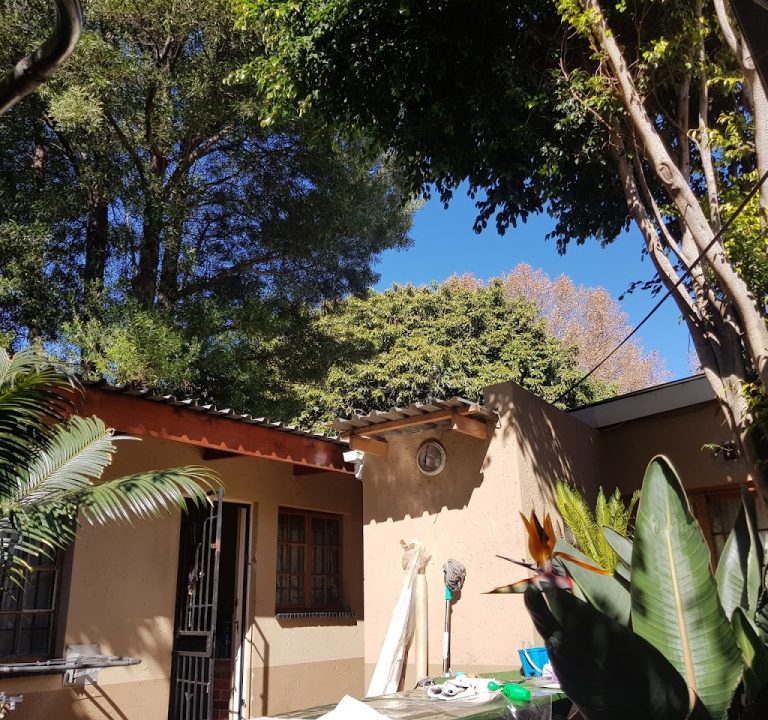
Typical amenities you might encounter. Expect comfortable bedding and well-equipped bathrooms, with some properties offering inclusive breakfast, daily housekeeping, and 24-hour reception. A handful of lodgings provide on-site dining or easy access to nearby cafés and restaurants. In quieter residential areas, you may find charming courtyards, garden spaces or rooftop terraces that are pleasant for morning coffee or an evening unwind. Guests often value on-site parking, laundry facilities, and strong security measures. If you have mobility needs, check accessibility details in advance to ensure your room and common areas are convenient to navigate.
Getting around and practical tips. Johannesburg is a city of contrasts, and travel between districts is straightforward with options that suit different budgets and comfort levels. The Gautrain provides a fast link between the city and Pretoria or the OR Tambo International Airport, while local taxis and ride-hailing services are widely available. If you’re renting a car, be mindful of parking rules and peak traffic times, which can be congested, especially during weekday mornings and late afternoons. Public transport is improving, but many visitors still prefer a car or guided tours to cover longer day trips to nearby natural wonders or historical sites.
Best time to visit. The city experiences a temperate climate with warm summers and mild winters. The dry season tends to bring clearer days, while the shoulder seasons offer a balance of pleasant weather and fewer crowds. If you plan outdoor experiences such as markets, parks or guided nature walks, mornings in spring or autumn can be especially comfortable. Pack layers for fluctuating temperatures, especially if you’ll be out after sundown, when it can feel cooler even in the city’s warmer months.
Dining and experiences, in broad terms. Johannesburg’s dining scene reflects the city’s diversity, with options ranging from casual eateries serving global street-food-inspired dishes to stylish venues offering refined menus. In addition to restaurant choices, you’ll find markets, local cafés and bars that showcase the city’s creative energy. For a broader sense of the region, consider organising a day to explore neighbourhoods known for their cultural districts, museums and public art, followed by an evening in a dining precinct that emphasises South African flavours and contemporary cuisine. If you enjoy guided experiences, seek out reputable operators offering city walks, food tours or neighbourhood explorations that highlight history, street art and local life.
Practical planning tips for a smooth stay. - Book in advance during peak seasons or major events, and compare rooms in different areas to strike a balance between price, safety and convenience. - Confirm what is included in your rate, especially breakfast, parking, laundry or access to facilities like a gym or pool. - Check for robust security measures and a well-lit neighbourhood, particularly if you plan to explore after dark. - Bring a universal adaptor and plan for both hot and cooler temperatures, as indoor heating and climate control may vary by property. - Keep a list of nearby fuel stations, supermarkets and medical facilities for unexpected needs. - Consider a day trip or two to nearby natural areas or historical sites to balance city experiences with relaxation.
Optional practical checklist:
- Choose a central, well-connected base with easy access to public transport or parking.
- Look for friendly staff, clear policies on cancellation, and reliable Wi‑Fi.
- Assess room measures such as sound insulation and the availability of extra blankets or fans.
- Plan your routes in advance and keep a map or offline guide for areas with limited reception.
- Have a flexible itinerary to accommodate weather or spontaneous local discoveries.