Durban: Finding the right stay and unlocking the best experiences in KwaZulu-Natal
Durban, a coastal city on KwaZulu-Natal’s east coast, blends subtropical climate, golden beaches and a rich mix of cultures. When planning a stay, start by choosing a neighbourhood that suits what you want to get from the visit. The coastline spans from the golden sands of the Golden Mile, through bustling beachfront precincts, to calmer residential areas inland. For those seeking a beach-forward stay with easy access to eateries and nightlife, the beachfront suburbs are ideal. If you prefer a more relaxed, residential feel with convenient access to shopping and private leisure spots, consider more inland districts or the northern approaches to Umhlanga and the new commercial developments along the coast. While Durban offers a breadth of self‑catering, guesthouse and hotel options, budgeting and pace of travel often guide the most satisfying choice.
Accommodation types range from self‑catering apartments and serviced flats to boutique guesthouses and larger hotels. When booking, look for obliging hosts or operators who provide clear descriptions of space, check‑in procedures, and nearby transport links. In popular areas, property managers may offer flexible minimum stay periods, which can be helpful for longer visits or work trips. If you are travelling with family or a group, a self‑catering option can be especially convenient, giving you the freedom to prepare meals and plan day trips at your own pace. Always review the kitchen facilities, laundry options, parking setup, and accessibility features if needed.
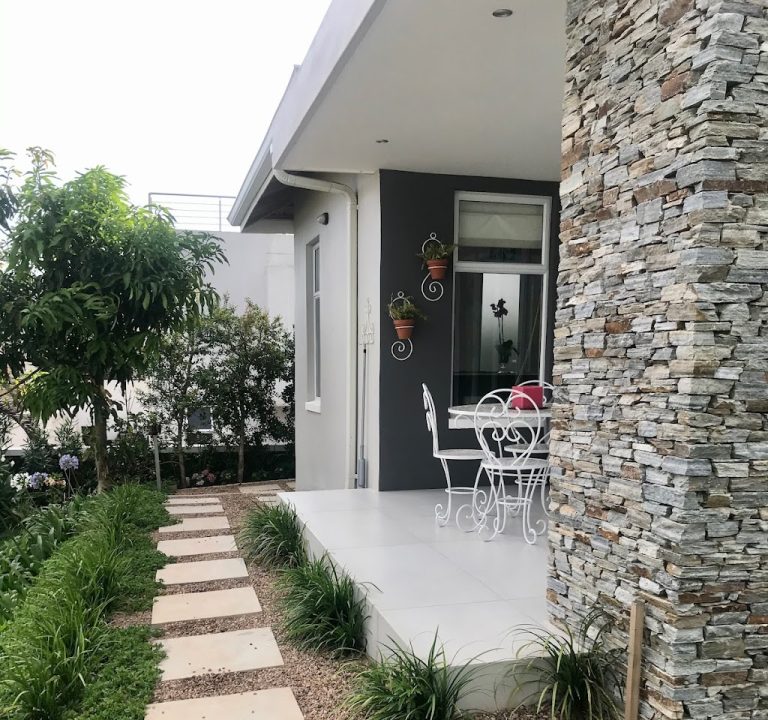
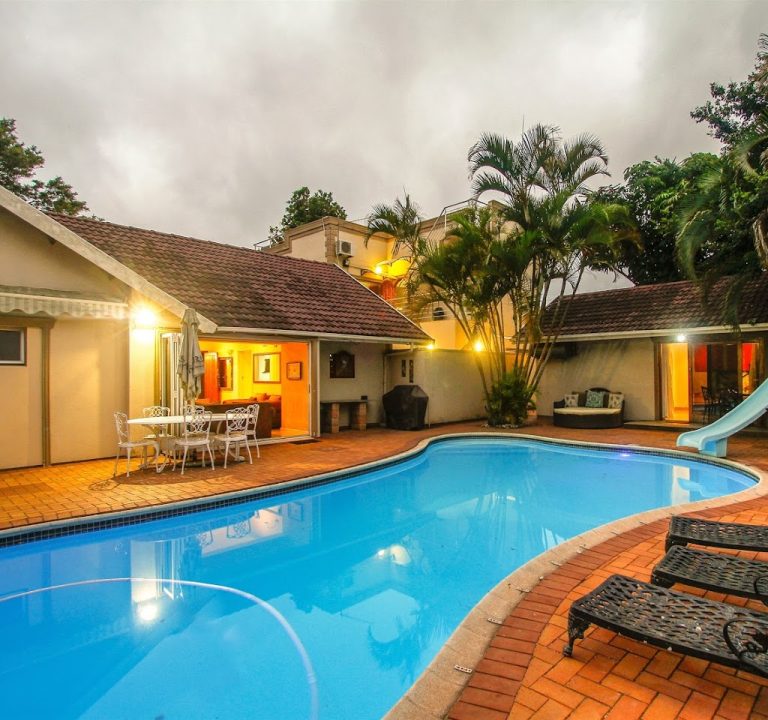
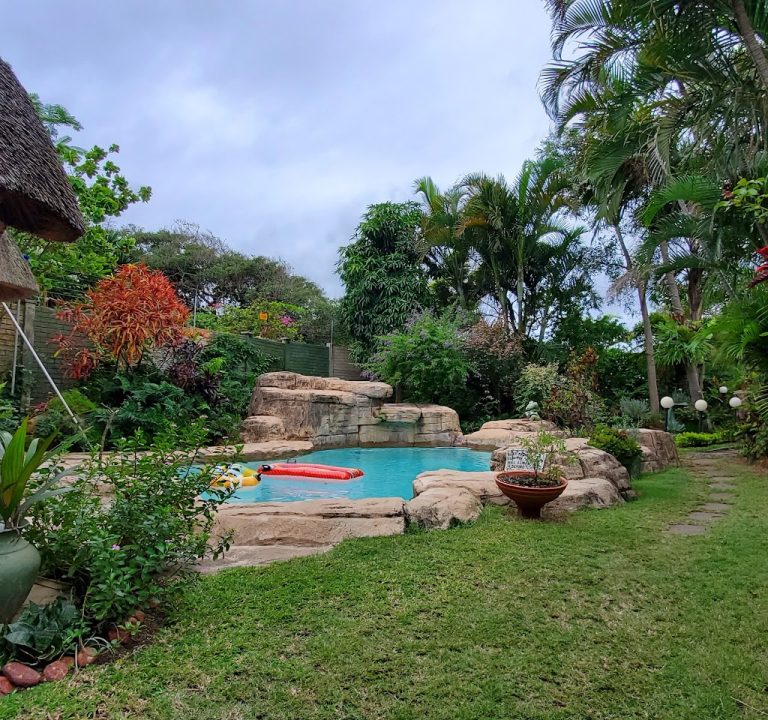
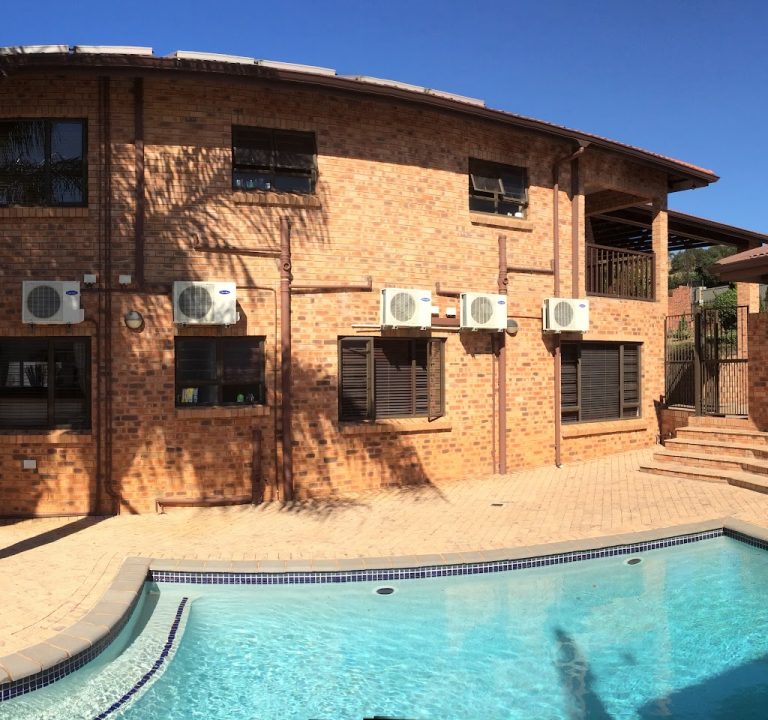
Typical amenities to expect include reliable Wi‑Fi, air conditioning or ceiling fans (Durban’s climate can be hot and humid), secure parking, and balconies or verandas with sea or city views. Proximity to the promenade or beachfront is a major draw for many visitors, while a quiet garden setting can be a welcome contrast after a day of sightseeing. In units designed for longer stays, expect a fully equipped kitchen, a dedicated living space, and a comfortable bedroom layout. For boutique stays, handmade furnishings and a close attention to detail often enhance the overall experience. Always confirm housekeeping frequency, whether towels and linens are changed, and the policy on shared facilities if you are renting in a block or complex.
Transport in Durban is straightforward but can require a little planning. The city has a network of taxis and ride‑hailing services, while the popular beachfront precincts are walkable for most visitors staying in central areas. If you are planning day trips along the coast or to the hills beyond the city, it can be sensible to hire a car or arrange a private driver for part of your stay. When booking accommodation, check parking arrangements and whether a guest permit is available for street parking. For those relying on public transport, be aware of peak‑hour traffic and the timetables for buses or minibus services in the area. Some properties will offer airport transfers or partner with trusted local operators, which can simplify onward travel and add value to your stay.
Best time to visit Durban spans all seasons, though the city bears a subtropical climate with hot, humid summers and mild winters. Summer (roughly November to March) brings lively beach scenes and occasional tropical showers, while winter (June to August) offers cooler days and easier sightseeing in comfortable temperatures. Shoulder seasons can be particularly pleasant for beach walks, wildlife experiences and restaurant hopping without the more intense crowds. If you enjoy outdoor activities, plan around the coastal winds and seasonal surf conditions, especially if you intend to try water activities or coastal trails.
When planning your itinerary, consider a mix of beach‑side relaxation, cultural experiences and gastronomy. Durban’s culinary scene focuses on flavours from the coast and broader KwaZulu‑Natal influences. Expect vibrant markets, casual eateries and refined dining venues where seafood and curries feature prominently. For a day or half‑day out, you might explore coastal promenades, neighbourhoods with colonial and modern architecture, and parks or nature reserves nearby. If you prefer guided insight, look for host or concierge recommendations on local experiences, such as market tours, cultural heritage walks, and nature excursions in the surrounding region. Always verify current opening times and whether guided options or private tours are available through your accommodation or trusted local partners.
Practical planning tips to keep in mind:
- Book early in peak seasons and consider midweek stays to secure better rates and more availability.
- Read recent guest reviews to gauge the consistency of cleanliness, accuracy of listings, and responsiveness of hosts or managers.
- Check proximity to beaches, shops, and medical facilities, especially if travelling with children or older guests.
- Ask hosts about parking, balcony safety, and access to shared facilities such as pools or laundry rooms.
- Budget a little extra for local transport or occasional rides to less central areas.
- Explore nearby areas such as Umhlanga for a range of shopping and dining options while using Durban’s city centre as a cultural base.
If you are considering a stay that centres on a single well‑located base with easy access to the coast and major venues, you can explore self‑catering options such as those offered by Umhlanga Apartment’s. For more information, you can visit the property’s website at Umhlanga Apartment’s. This type of accommodation can provide a comfortable home‑from‑home feel, with the convenience of nearby beaches, restaurants and transport routes within reach, helping you to tailor your Durban visit to your own pace and interests.