Durban, KwaZulu-Natal: Where to stay, what to do, and how to plan a memorable visit
Durban sits along the golden shores of KwaZulu-Natal, offering a warm climate, rich multicultural heritage, and a relaxed coastal vibe. When planning a stay, many travellers start by choosing a neighbourhood that suits their interests—from the bustling beachfront precinct to leafy suburbs near botanical gardens or the historic heart of the city. Durban’s accommodation runs the gamut from intimate guest houses and characterful heritage homes to modern hotels and well-appointed self-catering options, making it easy to tailor a stay to budget and taste.
Areas to consider include the Golden Mile and uMhlanga for easy beach access, the central business district for quick access to markets and urban culture, and Morningside or Glenwood for leafy streets, boutique eateries, and convenient transport links. If you prefer a quieter base with a village-like feel, consider options inland or in the newer coastal developments that combine comfort with proximity to leisure facilities. When selecting a property, think about what matters most: a short walk to the sea, a tranquil garden setting, secure parking, or a lively on-site café. If you’re drawn to character, look for guest houses housed in restored colonial or artful period buildings, which often blend colonial charm with modern comforts.
Typical amenities to prioritise include reliable air conditioning or ceiling fans for Durban’s warm months, secure parking, and in-room conveniences such as en-suite bathrooms, tea- and coffee-making facilities, and adequate storage. A good breakfast can be a highlight of a Durban stay, whether served as a self-serve continental spread or a plated menu with regional twists. For families or groups, a property with extra living space, a kitchenette, or access to a communal lounge can enhance comfort. Wi‑Fi reliability is worth checking if you plan to work remotely or share updates with family back home. For longer stays, a place with laundry facilities and self-catering options can be particularly convenient.
Transport around Durban is generally straightforward. If you’re staying near the beachfront or in central areas, pedestrian-friendly streets and nearby taxi or rideshare services make short trips simple. Car hire is a common choice for exploring beyond the city’s core—think coastal drives, natural reserves, and day trips to nearby towns. Some visitors prefer to stay near a railway station or main bus routes for easy day-access to attractions without relying solely on driving. When booking, confirm access details, such as late check-in, security features, and whether staff can assist with luggage storage or recommendations for day trips.
Best time to visit Durban is typically during the summer months when the sea is inviting and the city hosts outdoor markets and festivals. Winter is milder than many other parts of the country, making it a comfortable option for sightseeing and indoor experiences. A note on climate: Durban can be humid in the warmer months, so packing breathable clothing, sun protection, and a light rain layer for summer showers is sensible. If you’re planning outdoor activities, consider scheduling them for early mornings or late afternoons to beat the peak heat and crowds.
Practical planning tips to help you book with confidence:
- Read guest reviews with an eye on recent experiences, particularly about cleanliness, ventilation, and safety.
- Ask about breakfast options, restaurant partnerships, and nearby dining choices to balance on-site convenience with exploration of Durban’s culinary scene.
- Check proximity to beaches, markets, parks, and public transport routes to avoid long commutes.
- Consider staying near a hub of activity if you’ll rely on nightlife or want easy access to cafes and shops.
- Budget differently for peak season and shoulder seasons when rates and availability shift.
Durban’s attractions are plentiful and broadly accessible. Typical highlights include extensive beaches with promenade walkways, family-friendly water parks, and waterfront developments that blend leisure, culture, and dining. Nature lovers can explore coastal reserves and botanical gardens that showcase South Africa’s flora, while city explorers will find markets, craft hubs, and museums that reflect the area’s diverse heritage. Food lovers should seek out streets and neighbourhoods renowned for markets and casual eateries serving flavours from across the region and beyond. For those staying longer, day trips offer a chance to experience the wider KwaZulu-Natal coastline, inland game reserves, or the rolling hills and seaside towns just a short drive away.
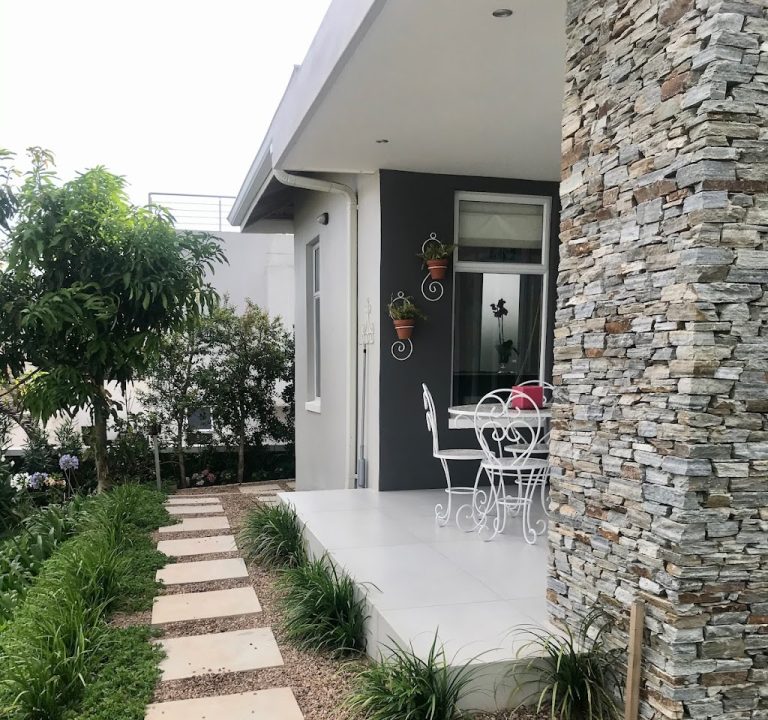
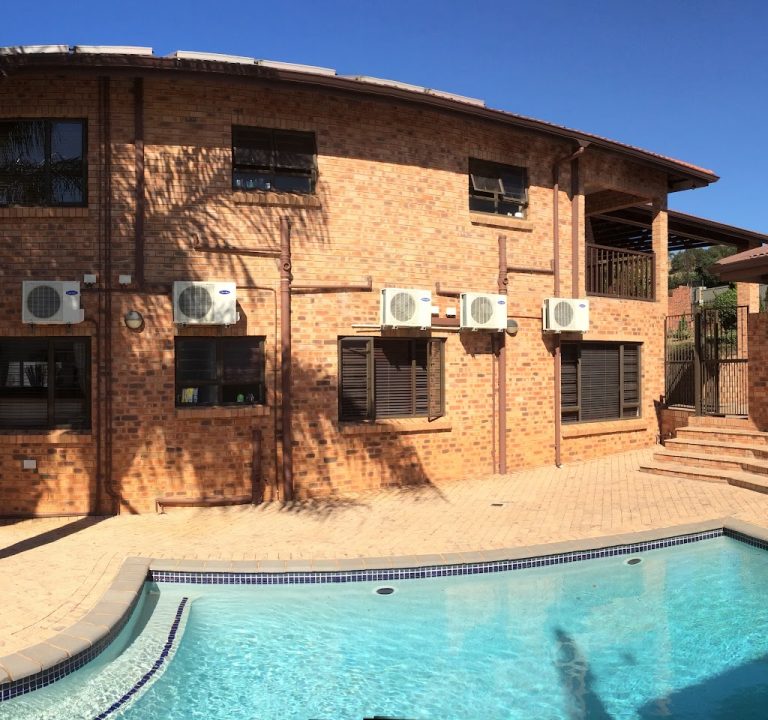
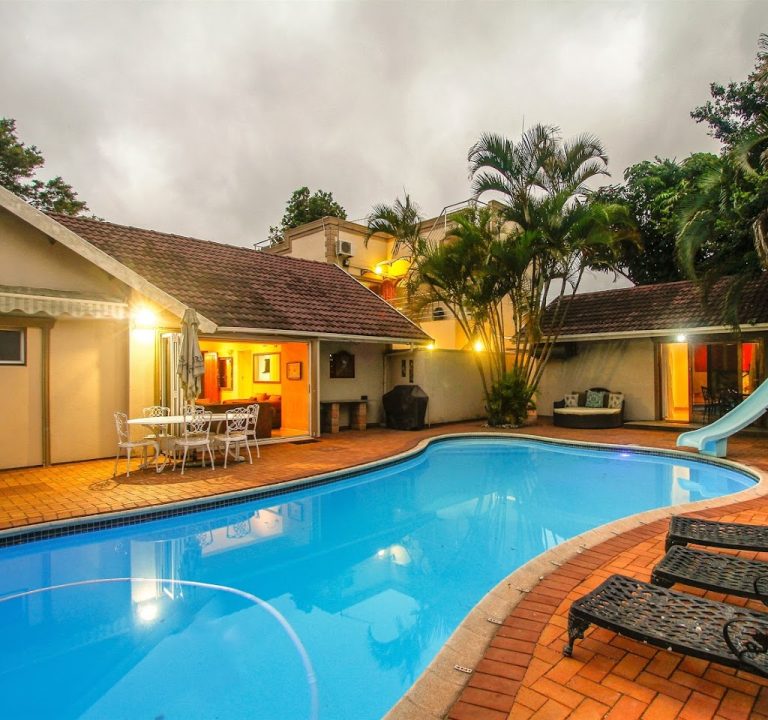
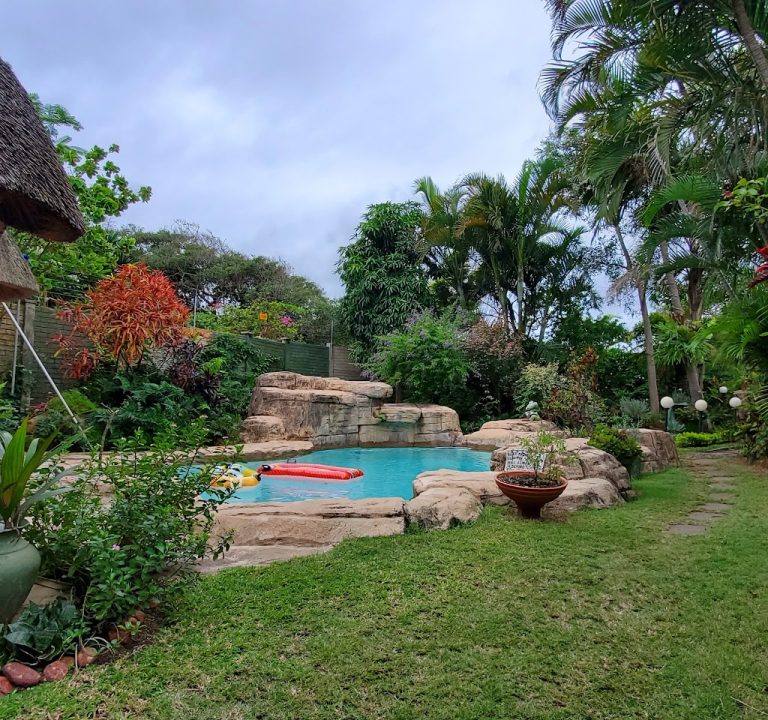
One example of accommodation that captures Durban’s welcoming atmosphere is The Cottage & Studio on Cordia, a guest house that offers a compact, well-situated base with an emphasis on comfort and hospitality. It can serve as a practical reference point when considering stay options in different parts of the city, from quiet residential streets to lively coastal blocks. Always verify the latest guest reviews and the property’s stated amenities before booking.
Most visitors leave Durban with a sense of having experienced a distinctive South African city that blends warm coastal living with memorable meals, markets, and sunsets. With thoughtful preparation—selecting the right neighbourhood, understanding what to expect from your accommodation’s amenities, and planning transport and activities in advance—you can enjoy a relaxed itinerary that balances time by the sea with easy access to cultural and culinary discoveries. For further planning and inspiration, reputable tourism sites and local accommodation guides offer up-to-date information on happenings, seasonal events, and practical travel tips.
For more ideas on Durban and KwaZulu-Natal, you can visit official tourism resources and travel guides that provide current information on attractions, dining options, and practical travel advice: Durban Tourism.