Staying in Sabie, Mpumalanga: accommodation planning and highlights
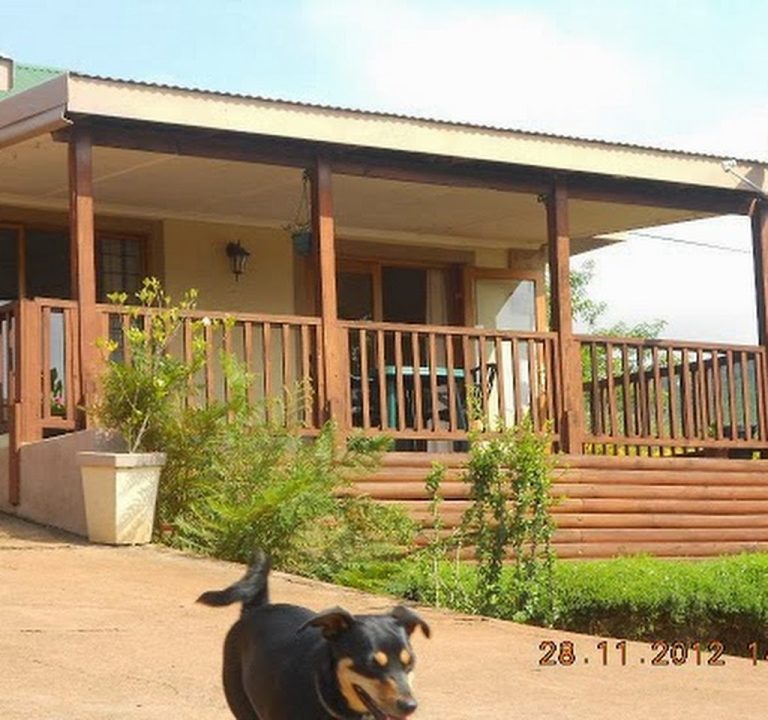
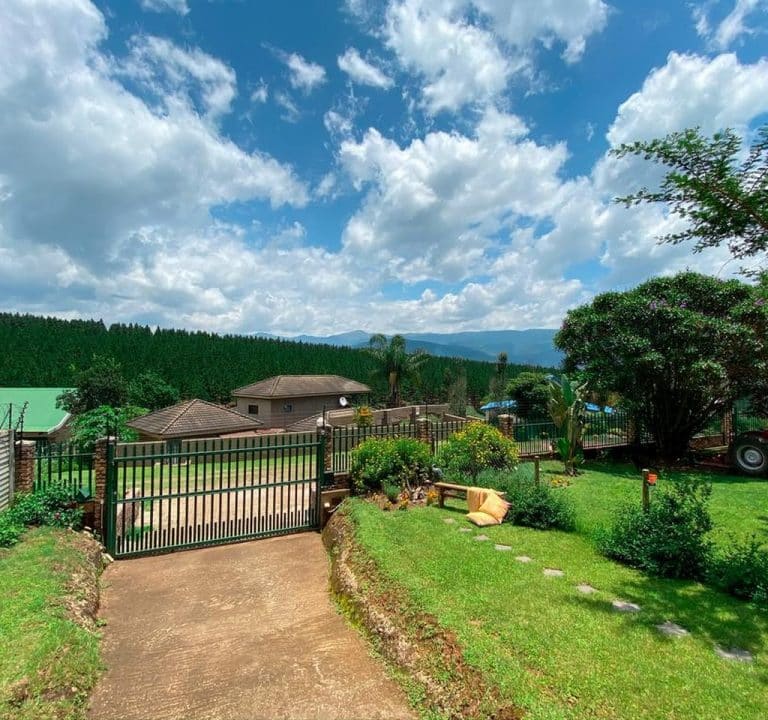
Sabie is a soulful gateway to Mpumalanga’s leafy escarpment, where forests, waterfalls and panoramic viewpoints frame a relaxed, traveller-friendly town. When planning a stay, think about your preferred pace, access to nature trails and whether you favour self-catering spaces or hotel-style comforts. The region rewards visitors who balance days of outdoor exploring with evenings in comfortable, well-equipped accommodation. A guesthouse such as Two Falls View, Self Catering Guesthouse offers a practical option for guests who want home-from-home convenience while remaining close to the forest and waterfalls that characterise Sabie’s appeal.
Areas to consider when choosing where to stay include Sabie town itself, the surrounding forested slopes, and routes leading towards the scenic river valleys. Staying near the town centre offers easy access to shops, cafés and basic amenities, as well as a short drive to trailheads. Lodges or guesthouses perched on the hillsides may provide sweeping views and a more secluded atmosphere, ideal for wildlife spotting and peaceful mornings. If you plan long day trips, pick a base that shortens your transfer times to the most important attractions for you, while still offering a pleasant walking or dining scene in the evenings.
Typical amenities in Sabie accommodation range from self-catering facilities and kitchenettes to en-suite bathrooms, wi‑fi, private patios and outdoor seating areas. Many guesthouses and lodges in the area offer on-site parking, comfortable lounges, and careful housekeeping. Some properties feature seasonal outdoor pools, braai areas or fireplaces for cooler evenings, which are particularly appreciated after a day spent outdoors. If you are visiting during the peak season, seek options with flexible booking policies, clear cancellation terms and a robust cleaning routine, so you can plan with confidence.
Booking tips to keep in mind:
- Book early for weekends and school holidays, as Sabie is popular for short breaks and forest escapes.
- Check what is included in the rate, such as breakfast, kitchen access, Wi‑Fi quality, and parking arrangements.
- Ask about accessibility to major trails and viewpoints, and whether there is any steep terrain or uneven paths around the property.
- Confirm the proximity to petrol stations and supermarkets, which simplifies day trips and self-catering plans.
- Review cancellation policies in light of weather changes or travel delays common in mountainous regions.
Transport in Sabie is generally road-based, so a car is the most convenient way to explore both the town and the surrounding nature reserves. The routes are scenic but can be narrow in places, with occasional sharp bends near viewpoints. If you don’t drive, check whether your accommodation offers agreed transfer options or is connected to a local taxi or shuttle service. A well-planned itinerary will help you balance mornings on forest trails with relaxed afternoons by a pool or enjoying a restful spa treatment in town.
Best time to visit Sabie blends summer greenery with crisp winter days. The wet summer (roughly November to March) brings lush forest landscapes and thundery afternoon showers, ideal for those who enjoy dramatic skies and cooler evenings. Winter (June to August) tends to be dry and cool, with clearer air and excellent visibility for mountain and canyon viewpoints. Spring and autumn offer comfortable temperatures for long walks, cycling or photography. If you are hoping to combine nature with a touch of town life, aim for shoulder seasons when accommodation is more available, and afternoons can be spent exploring the riverside paths and forest trails without the peak-season crowds.
Attractions in Sabie are rooted in its natural setting. Visitors commonly plan days around forest walks, waterfall viewpoints and canyon vistas, with the surrounding escarpment offering short nature hikes and longer treks for keen hikers. The area is also well suited to photography, birdwatching and forest photography, thanks to dappled light through the trees and the chance to encounter native flora and fauna. For many travellers, a gentle day in the countryside followed by a relaxed meal in Sabie’s dining scene provides the ideal balance.
Dining in Sabie complements a day of outdoor activity. Local restaurants usually offer comforting favourites, with menus showcasing fresh, seasonal ingredients and hearty portions that suit travellers after a day on foot or behind the wheel. Many venues focus on welcoming, informal atmospheres with countryside charm, making it easy to enjoy a relaxed dinner, regional flavours and friendly service. If you plan to self-cater, you’ll find supermarkets and small groceries in the town centre, along with farmers’ markets and fruit stalls at certain times of year, offering berries, apples and forest-grown produce to enrich your stay.
Practical tips for a smooth Sabie visit:
- Pack layers for variable mountain weather, including a waterproof layer and sturdy walking shoes.
- Bring a reusable water bottle and sun protection; mornings can be crisp, but the days can warm quickly in the sunlit clearings.
- Arrive with a rough plan for the day, but leave space for spontaneous forest stops or picturesque viewpoints.
- Respect nature reserves: stay on marked paths, observe wildlife from a safe distance, and follow local guidelines for trail use.
- Keep a small cooler for day trips if you’re staying in a self-catering space—this makes picnics in scenic spots easier.
Sabie offers a friendly base from which to explore Mpumalanga’s forested heart. With a range of guesthouses, self-catering options and intimate lodges, visitors can craft a stay that suits a calm countryside pace or an active outdoors itinerary. Whether you choose to base yourself in the town’s inviting lanes or in a hillside retreat like Two Falls View, Self Catering Guesthouse, Sabie provides a welcoming platform for discovering waterfalls, viewpoints and the broader magic of this Steenkamp-highland corner of South Africa.