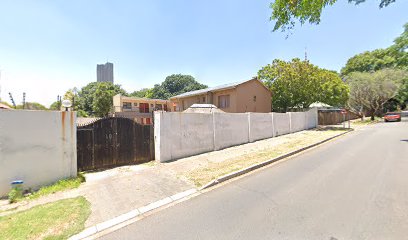
Johannesburg: accommodation planning and visitor experiences in Gauteng
Johannesburg, or Joburg as it is affectionately known, offers a broad mix of guest houses, boutique hotels, lodges and serviced apartments that suit a range of budgets and travel styles. When planning a stay, think about which area will place you closest to the activities and neighbourhoods you want to explore, while also fitting your preferred pace of travel. For a reference point, well-regarded guest houses in the region provide approachable hospitality, convenient access to transport links and a sense of local character. Websites for accommodation in Johannesburg can give a good sense of what to expect in terms of room types, breakfast options and security features at street level.
Areas to consider. The northern suburbs, including Sandton and Rosebank, are popular for business travellers and visitors who want easy access to modern shopping centres, restaurants and reliable transport connections. The city centre (CBD) and nearby precincts have undergone significant renewal, offering a mix of heritage buildings, contemporary eateries and cultural institutions. Braamfontein and Maboneng are known for a vibrant urban atmosphere, arts and markets, while the south-western districts open up Soweto and other historic experiences that many visitors find compelling. When selecting accommodation, consider proximity to a rail or bus link, as well as the frequency of travel times you expect to use during the day.
What to look for when booking. Start with security and parking arrangements, as safe, well-lit entrances and on-site or monitored parking can make a difference to your stay. Confirm whether breakfast is included, and if so, whether it is continental, cooked-to-order or self-service. If you plan to work or stream video, check the reliability and speed of WiFi. For longer stays, a kitchen or kitchenette can be a practical perk, while laundry facilities are helpful for business travellers and families. Guest houses and boutique hotels often emphasise personal service and local knowledge, so look for hosts who can offer practical tips about routes, safe areas for evening walks and suggestions for day trips beyond the city center.
Typical amenities and practical tips. Expect comfortable beds, en-suite bathrooms, good climate control and reliable hot water. Some properties offer shaded outdoor spaces, guest lounges and books or maps of the city. Parking policies vary; if you are driving, ask about secure on-site spaces or nearby public parking. For travellers using Gauteng’s rail network, being near a station or a taxi-friendly district can dramatically simplify daily moves. When you arrive, carry a local mobile SIM if possible, as data connectivity helps with navigation and real-time transport updates. For safety, dress modestly, be mindful of your belongings in crowded areas, and avoid flashing valuables in the street after dark.
Best time to visit. Johannesburg enjoys a temperate climate with warm summers and cooler, dry winters. The drier months from May to September are comfortable for daytime sightseeing and outdoor markets, while the summer months bring occasional thunderstorms and lush vegetation. If you hope to combine city culture with outdoor excursions, plan around school holidays or major events in the city to balance hotel rates and crowd levels. The city’s daylight hours can be longer in winter, which helps when you are keen to explore museums or open-air precincts after work or meetings.
Attractions and experiences (in general terms). A well-planned visit typically blends culture, history and modern city life. Museums and historic sites offer insights into South Africa’s complex past, while contemporary galleries and design districts showcase local creativity. Markets, food halls and diverse eateries present a wide range of flavours that reflect the region’s cosmopolitan character. For those who enjoy the outdoors, parks and scenic viewpoints around the city provide a break from urban bustle. Guided tours—whether focused on architecture, history, or a specific neighbourhood—can add context and convenience to your itinerary.
Restaurants and dining options (in general terms). The dining scene in Johannesburg is diverse, from casual cafés to refined venues, with many places offering modern South African cuisine alongside international flavours. When choosing where to eat, you might look for seasonal menus, local producers, and options that suit dietary preferences. If you are staying in a guest house or boutique hotel, ask hosts for recommendations; they often have up-to-date tips on popular neighbourhoods, cosy bistros and weekend kitchen markets.
Practical planning notes. A good starting point for research is to compare several properties in the areas outlined above, paying attention to guest reviews, room configurations, and any translation of comfort into price. For a real-world example of a guest house approach in Johannesburg, you can explore accommodation options such as Auckland Lodge, which provides a useful reference point for how a guest house in the region may structure its offerings and guest services. Visit the property's website for more information and current availability: https://www.aucklandlodge.co.za/
Sample planning checklist
- Identify 2–3 preferred areas based on your planned activities and transport needs
- Check security, on-site parking, and breakfast arrangements
- Confirm WiFi reliability and work-friendly spaces if needed
- Assess accessibility for any special requirements
- Plan day trips or neighbourhood explorations with realistic travel times