Johannesburg: accommodation options, attractions and planning your stay
Johannesburg, known locally as Jo’burg or Jozi, offers a diverse range of places to stay from stylish boutique hotels to comfortable guesthouses and modern city hotels. When planning a visit, think about the neighbourhoods that suit your interests and the pace you want from your trip. Central districts tend to place you close to museums, markets and vibrant dining scenes, while northern suburbs often provide leafy streets, upscale shopping and easy access to business districts. For a unique stay, consider a property with easy access to public transport or reliable private transfers to reduce time spent commuting.
Accommodation in Johannesburg commonly features the essentials travellers look for: dependable Wi-Fi, air conditioning or heating, adequate parking, and a reliable breakfast offering. Many hotels and guesthouses also provide on-site dining, fitness facilities, and secure access. If you are travelling with family or a group, look for family rooms or suites, larger seating areas, or self-catering options in guesthouses. If you prefer a more intimate environment, a boutique hotel or a well-appointed bed-and-breakfast with personalised service can be an excellent base for exploring the city.
For a practical planning approach, start with the location. The central business district and inner-city precincts offer quick access to museums, theatres, and creative quarters, but may be busier at night. Suburbs such as Sandton, Rosebank and Illovo provide a more relaxed atmosphere with excellent shopping and dining options, while Braamfontein, Maboneng and Newtown are rich in arts venues, markets and street life. When booking, compare room sizes, noise levels, and blackout policies, particularly if light or street noise is a concern. Check whether the property offers late-check-in options, clear cancellation policies, and whether there are extra charges for parking or security deposits.
Typical amenities to look for include a well-reviewed breakfast service, secure parking or easy access to public transport, and helpful staff able to advise on local safety and transport. Some properties provide transfer services or easy access to Gautrain stations, which connect travellers to Pretoria, the airport, or northern suburbs. If you rely on rideshare apps, check whether the area remains well-served after dark and whether there are recommended pickup points for safety. Consider properties with 24-hour reception or a staffed desk to assist with late arrivals and early departures.
Transport in Johannesburg is best approached with a plan. The Gautrain rapid rail network links Johannesburg to Pretoria and Johannesburg’s OR Tambo International Airport, offering a convenient option for travellers heading to or from the airport and major northern suburbs. In-city travel is commonly via taxi-hailing apps, with some areas safer and more straightforward to navigate than others. If you prefer to drive, ensure secure parking is available, especially in busy districts, and factor in time for peak traffic in the morning and late afternoon.
The best times to visit Johannesburg are during the mild spring (September to November) and autumn (March to May). These seasons offer pleasant weather for outdoor exploration of parks, markets and city viewpoints, with fewer extreme temperatures. If you plan to visit outdoor attractions in winter, bring a warm layer for cooler evenings, while summer visits can be lively with festivals and markets, provided you stay hydrated and apply sun protection. Check local event calendars ahead of your trip, as Johannesburg hosts cultural programmes, music events and food markets throughout the year.
When selecting a stay, consider access to attractions and dining. Johannesburg’s attractions span world-class museums, historic neighbourhoods, and vibrant arts districts. In general terms, plan a route that clusters activities by neighbourhood to minimise travel time. In central districts, you can expect canvas galleries, theatres and markets within easy walking distance of many hotels and guesthouses. In northern suburbs, you’ll find modern shopping centres, parks and golf facilities that suit longer, more relaxed stops. If you enjoy a curated experience, many properties partner with local guides or offer in-house insights into neighbourhoods and must-visit eateries.
- Neighbourhoods to consider: central historical precincts, Sandton for upscale conveniences, Rosebank for markets and dining, Braamfontein and Maboneng for creative culture, Illovo and Melrose for quieter suburban stays.
Dining in Johannesburg ranges from bustling street-food hubs to refined restaurants in hotel lounges and contemporary eateries. Rather than focusing on specific names, look for places that highlight fresh, locally sourced ingredients and seasonal menus. Many properties will offer breakfast as part of your stay, and some may have on-site restaurants or cafés with easy access to late-night options. If you plan to explore the city’s culinary scene, ask reception or guesthouse hosts for current recommendations and reservations help.
Practical tips for a smooth stay include confirming access to reliable Wi‑Fi for work or streaming, understanding the property’s security arrangements, and checking baggage storage options if you have a late departure. Pack a compact umbrella and a light jacket for cooler evenings, and bring a reusable water bottle for day trips. Respect local safety norms and be mindful of valuables when exploring busy markets or night-time attractions. Most travellers find that pre-planned itineraries, with a balance of indoor experiences and outdoor time, help to maximise time and enjoyment in Johannesburg.
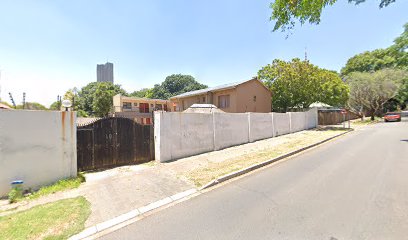
One example of a well-located option for visitors is Beverly Green Hills Hotel, which presents a calm base with easy access to a variety of city experiences. While staying there, guests can expect comfortable rooms, convenient facilities and proximity to transport routes that make day trips and neighbourhood explorations straightforward. For further ideas, consult official tourism resources and the guesthouse or hotel’s own website for practical tips, local discoveries and seasonal recommendations.