Johannesburg: A practical guide to accommodation, attractions and dining
Johannesburg, the vibrant gateway to Gauteng, offers a diverse range of lodging options for travellers seeking culture, cuisine and easy access to the city’s business hubs. Whether you prefer a cosy B&B, a boutique hotel, or a guesthouse with a distinctly local flavour, planning your stay around core neighbourhoods and travel logistics will help you make the most of your visit.
When choosing where to stay, consider the type of experience you want and how you’ll move around. The city’s inner districts are busy, creative and well connected by highways, rail links and ride-hailing services. For visitors who want a calmer base with good access to major sights, outer suburbs and up-and-coming neighbourhoods offer quieter streets, leafy drives and a village-like feel, while still placing you within easy reach of dining and entertainment options.
A practical approach to booking is to align your lodging with your daily plans. If you expect long daytime outings, a central location can minimise transfer times. If you plan to explore local markets, galleries and street art scenes, areas known for their culture and walkability can provide more atmosphere and spontaneous discoveries. For business travellers, proximity to conference venues, airports or business districts remains a key consideration, along with reliable in-room workspaces and solid Wi‑Fi.
Typical amenities you might seek include secure on-site parking, 24-hour reception, a well-equipped kitchen or tea/coffee facilities, free breakfast, and complimentary Wi‑Fi. For those who enjoy personal touches, a guesthouse or boutique hotel with thoughtfully designed rooms, quiet courtyards or rooftop spaces can enhance the stay. In many city lodgings, guests also value access to a small gym, a swimming pool or a communal lounge where you can mingle with other travellers. If you’re travelling with family, check for family-friendly rooms, cribs, or adjoining suites.
Transport options in Johannesburg are robust and varied. The Gautrain provides fast linkages between the city and Pretoria, the airport, and other hubs, while Uber and other ride-hailing services are widely available in most districts. If you plan longer day trips or weekend excursions, consider the practicality of car hire or arranging a driver for a day. When you’re near major malls or business districts, walking and cycling options can be pleasant on calmer days. Always confirm access times and security features at your accommodation, particularly if you’ll be returning after dark.
Best time to visit Johannesburg depends on your priorities. The city enjoys a relatively mild climate, with warm summers and cooler winters. Spring (September to November) and autumn (March to May) offer comfortable temperatures for outdoor sightseeing and street culture exploration. Summers can be lively and busy with events, but afternoon thunderstorms may occur. Winter is typically dry and cooler, which some travellers prefer for city wandering and indoor activities. Pack layers, a light rain jacket for late-season showers, and comfortable walking shoes to navigate the city on foot or by public transport.
When it comes to planning your itinerary, think about how to balance indoor with outdoor experiences. Johannesburg’s art scenes, museums and markets sit alongside expansive parks and public spaces. In areas known for culture and design, you might find galleries, street art tours, and pop-up markets that reflect Johannesburg’s dynamic neighbourhoods. Dining choices range from casual bistros to refined eateries that showcase modern South African cuisine and international influences. Rather than focusing on specific venues, seek places that emphasise fresh, seasonal ingredients and friendly service, with menus that highlight local produce.
- Well-connected neighbourhoods to consider: central business districts, northern suburbs with easy access to parks and shopping, and inner-city pockets with galleries and eateries.
- Key amenities to look for in accommodation: secure parking or easy transport access, reliable Wi‑Fi, a comfortable workspace, and options for breakfast or kitchen facilities.
- Transport planning tips: utilise the Gautrain for longer trips, rely on ride-hailing for evenings, and confirm parking or shuttle options in advance.
- Practical safety tips: stay in reputable areas, use hotel security features, and keep valuables discreet; plan night-time routes in advance.
- Experience ideas: mix indoor visits to museums or markets with outdoor strolls in parks or promenades, and leave room for serendipitous discovery in local quarters.
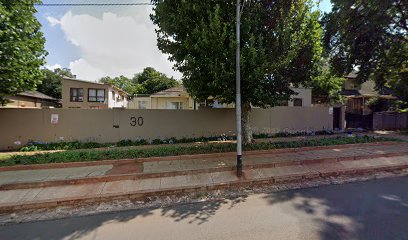
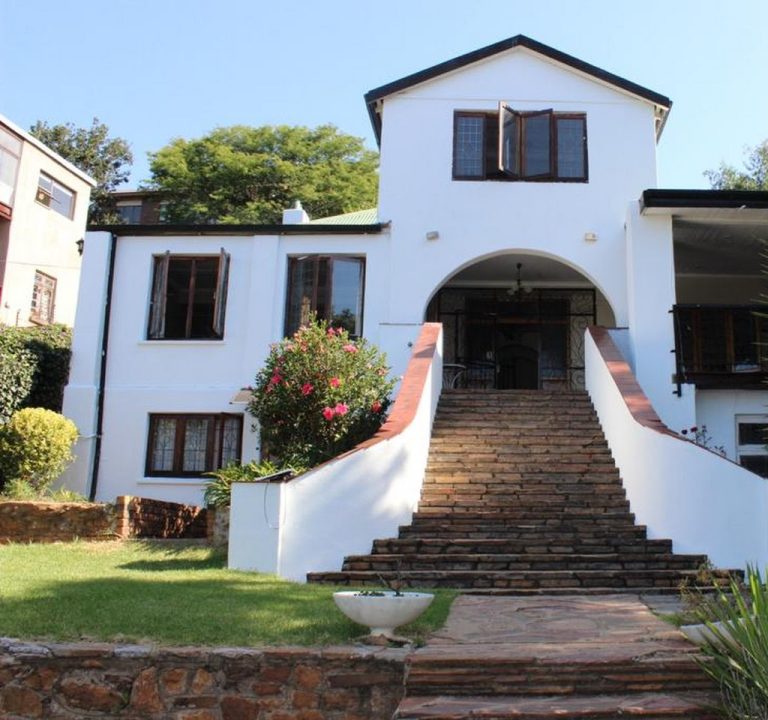
One example of indoor lodging that may suit travellers seeking a comfortable base in the city is Akuwaiseni Guest House, which represents the kind of accommodation you might encounter in Johannesburg’s diversified lodging landscape. When researching options, review guest reviews carefully, compare room types and layouts, and check how the property handles guest safety and housekeeping. If you have dietary needs or mobility considerations, reach out to the property in advance to confirm arrangements and accessibility features. Always cross-check the latest local travel advisories and approved routes before you set out for a day of exploration.
In summary, a well-planned stay in Johannesburg combines a suitable neighbourhood, practical transportation arrangements, reliable amenities, and a flexible itinerary that invites both culture and everyday city life. By balancing comfort, accessibility and local flavour, you can enjoy a memorable visit to Gauteng’s dynamic capital without sacrificing convenience or security.