Johannesburg: Accommodation and Experiences for a Welcoming City Stay
Johannesburg, a sprawling, dynamic city in Gauteng, offers a wide range of lodging to suit every traveller. Whether you are seeking a stylish boutique stay in a buzzy neighbourhood, a leafy guesthouse with a personal touch, or a convenient hotel near major transport links, you will find options that fit your pace and budget. Planning a stay in Johannesburg also means choosing areas that align with your interests, from culture and dining to business hubs and nature-friendly escapes.
When selecting accommodation, consider the best base for your itinerary. Maboneng and the inner city put you in the heart of creativity, street art, markets, and easy access to galleries and cafés. Rosebank blends shopping, dining and a relaxed vibe with proximity to Gautrain stations for quick trips to Sandton or the airport. Braamfontein offers a youthful atmosphere, live music venues and easy rail connectivity, while Sandton is ideal for conference travellers and those seeking a more polished, modern vibe with upmarket dining and malls. For a meaningful excursion, several travellers choose Soweto on day trips, returning to a comfortable base in or near the city core.
Typical amenities you might expect include complimentary Wi‑Fi, secure parking or easy access to public transport, breakfast options, a well-equipped kitchen or kitchenette in self-catering stays, and housekeeping schedules that suit longer visits. Other pleasant touches to look for are quiet rooms or soundproofing, air conditioning for the hot summer months, and a friendly, knowledgeable host or concierge who can help tailor activities for your stay. If you value wellness, some lodgings offer small gyms, pools, or outdoor spaces where you can unwind after a day exploring the city.
Transport in Johannesburg is shaped by its scale and the diversity of suburbs. The Gautrain remains a popular, fast option for airport transfers and key routes to Sandton and Pretoria. Within the city, ride-hailing services and car hire are widely available, while some neighbourhoods benefit from easy tram-like services or taxi networks. When booking, check how close your lodging is to a Gautrain station or major bus routes, and confirm if on-site parking is included or available nearby. If you plan a lot of day trips, a central base with easy access to highways or main roads can save travel time and reduce stress.
Best time to visit Johannesburg tends to be during the Southern Hemisphere winter and spring months (May to September) when the days are often sunny and the weather is comfortable for sightseeing. Summers (October to April) can be hot and wet, with occasional afternoon thunderstorms, while late winter can bring crisp mornings. Events and exhibitions vary throughout the year, so it’s worth checking local calendars when you book to align a stay with markets, galleries openings or live performances.
For a well-rounded stay, consider a few practical planning tips. First, set a balance between busy urban days and restful periods at your accommodation, which can be an asset in a city that blends modern business districts with lively cultural precincts. Second, read guest reviews focusing on noise levels, bed comfort and the reliability of housekeeping, especially if you are sensitive to late-night activity in busy districts. Third, if you will be exploring on foot, choose lodging with safe lighting, well-lit streets nearby, and a straightforward route to your next stop. Finally, factor in dining options: Johannesburg offers a vibrant restaurant scene across many neighbourhoods, with a mix of casual eateries, bistros and fine-dining experiences, frequently showcasing South African flavours alongside international influences.
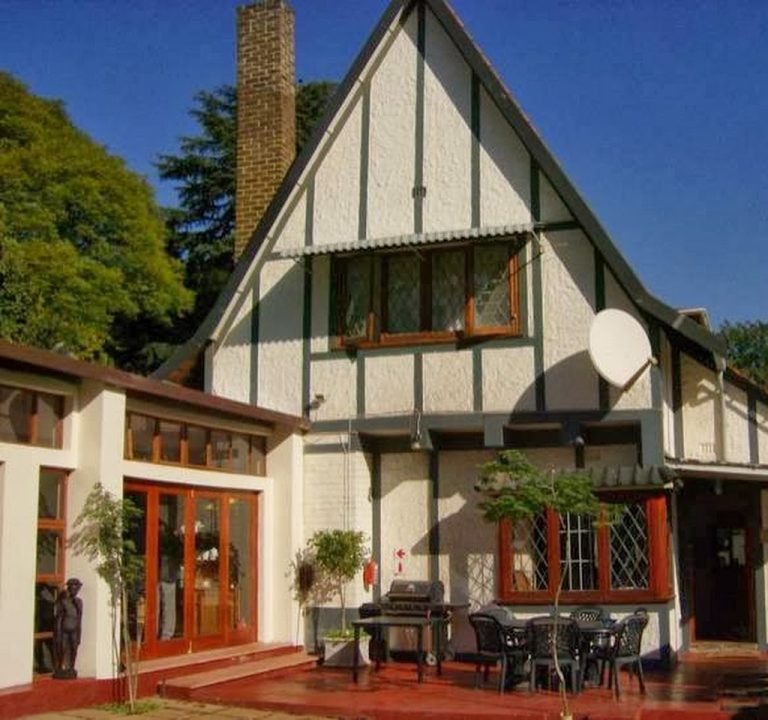
Accommodations can be grouped by vibe and price range. Boutique lodges and guesthouses often offer personalised service, a homely atmosphere, and a sense of place tied to a neighbourhood’s character. Modern hotels tend to provide dependable business facilities, on-site dining, and coordinated transfers, while apartment-style stays or self-catering units are convenient for longer visits or families seeking a kitchen and more space. When booking, look for clear information on cancellation policies, guest-accessible facilities, and what is included in breakfast or other meals. If you have mobility needs, verify accessibility features and the proximity of elevators or ramps to common areas and rooms.
Beyond the door to your lodging, Johannesburg invites you to explore in a relaxed, flexible way. Cultural attractions and museums offer insights into South Africa’s history and contemporary life, while markets and neighbourhood hubs provide opportunities to sample local cuisine, crafts and music. Dining choices span casual bakeries and cafés to chic eateries; many places feature seasonal menus that celebrate local ingredients and diverse culinary traditions. For travellers keen on outdoor moments, parks and urban green corridors offer space to walk or enjoy a breezy moment between gallery visits and shopping sprees.
- Choose accommodation by a neighbourhood that aligns with your interests (culture, shopping, dining, or business).
- Prioritise proximity to transport links such as Gautrain stations or major routes to reduce transfer times.
- Check for essential amenities: reliable Wi‑Fi, comfortable bedding, parking, and informed front desk or hosts who can tailor recommendations.
To plan ahead, consider booking a stay that includes a flexible cancellation policy and a host or property with recent, transparent guest feedback. For more information about Johannesburg’s visitor offerings and practical travel planning, you can explore official tourism resources or reputable travel guides via the city’s visitor pages and related sites. A thoughtfully chosen base, paired with a balanced itinerary of sights, eateries and neighbourhood discoveries, can make a Johannesburg stay both convenient and rewarding.