Johannesburg: Accommodation and a Traveller’s Guide to Exploring Gauteng
Johannesburg, or Jo’burg as many locals call it, is a dynamic gateway to Gauteng’s urban energy, cultural heritage and diverse dining scene. When planning a stay, think about a neighbourhood that fits your pace—whether you prefer the leafy tranquillity of a guest house in a stylish suburb, or the buzz of a neighbourhood rich with cafes, galleries and street life. A well chosen base can make day trips practical and enjoyable, from markets and museums to expansive viewpoints and parks.
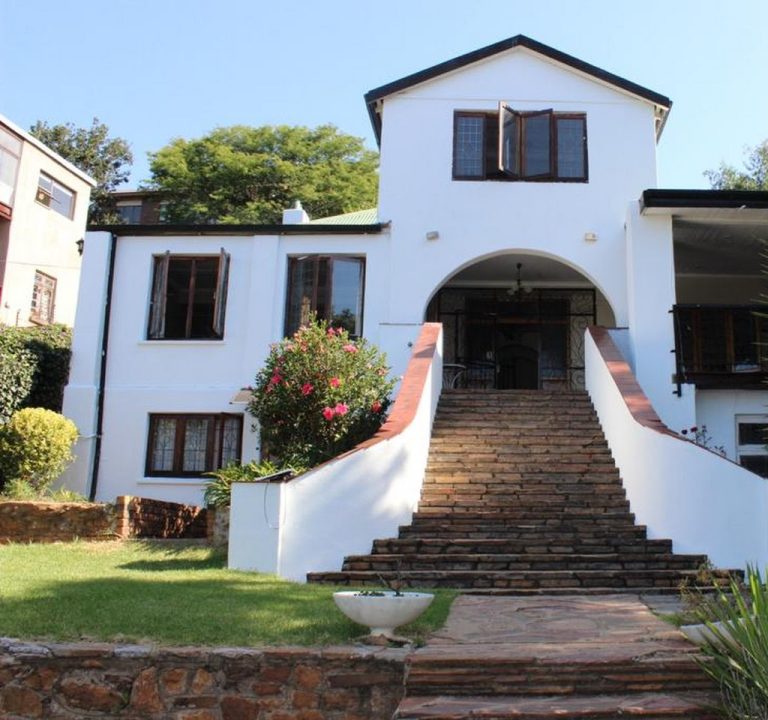
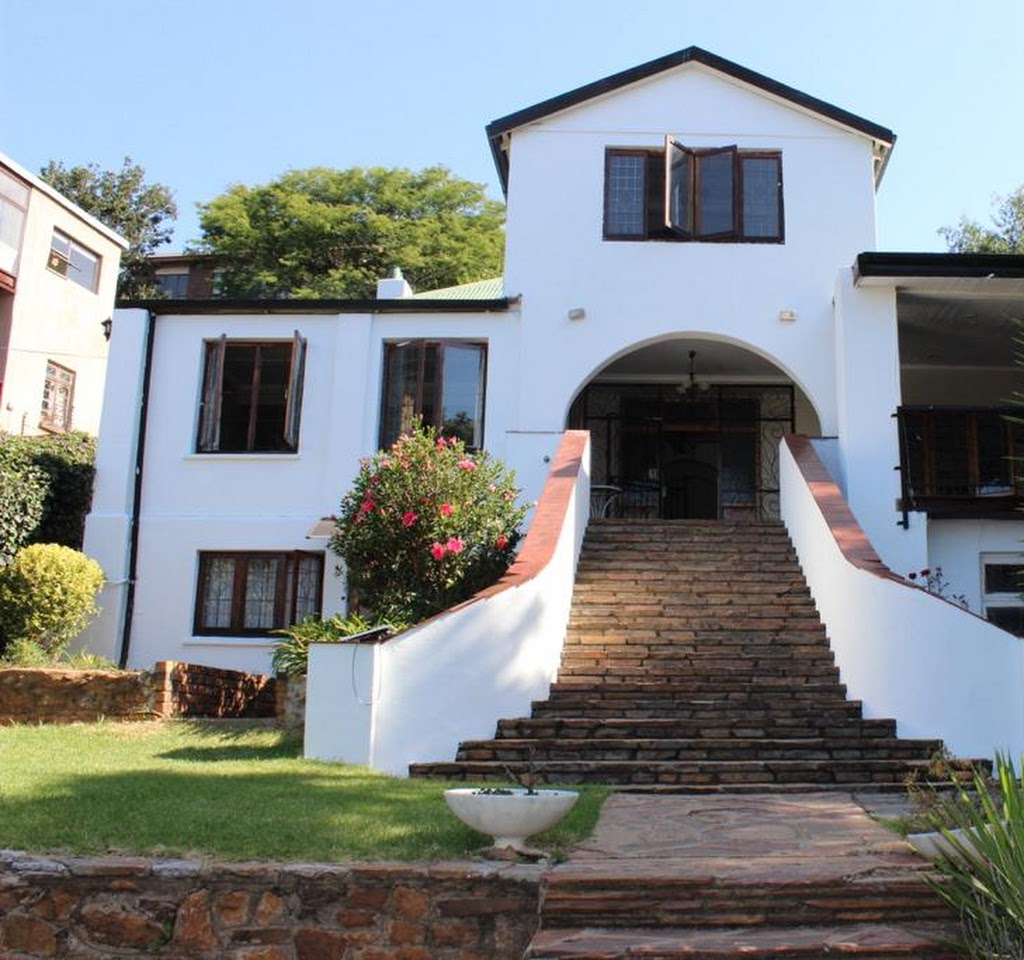
For a comfortable and quintessential stay, guest houses and boutique lodges are popular options. A property such as Tower Lodge, a guest house with a reputation for thoughtful rooms and friendly service, can offer a personalised touch, a sense of home, and easy access to major routes. When assessing accommodation, look for clear information on warranties, guest reviews, accessibility details, and what is included in the rate—breakfast, parking, and Wi‑Fi are particularly helpful for longer visits. If you value a curated experience, check whether the property provides organised local tours or partnerships with nearby attractions.
Areas to consider include:
- Sandton: Upmarket, with shopping centres, business facilities and direct road links to the northern suburbs.
- Rosebank: A convenient blend of shopping, dining and transport access, often close to art and culture.
- Braamfontein and Maboneng: Creative hubs with a lively urban character, galleries, cafés and nightlife.
- Melville: Student-friendly, bohemian, with strong dining options and a walkable vibe.
- Soweto and Vilakazi Street environs: Rich in history and local culture, offering authentic experiences and guided tours.
Typical amenities to look for include private ensuite bathrooms, reliable Wi‑Fi, on‑site parking, 24‑hour reception or a host who is easy to reach, and breakfast options that suit your schedule. If you’re exploring by car, confirmation of secure parking is reassuring. If you’ll be using public transport, check proximity to Gautrain stations or major bus routes, and whether the property offers shuttle services or easy access to ride‑hailing options. For families or longer stays, self‑catering facilities or well‑equipped kitchens can be a practical advantage.
Practical planning tips help smooth a Jo’burg stay. The city is spread out, and traffic can be congested during peak hours, so it pays to plan day trips with transit time in mind. The Gauteng public transport network includes the Gautrain rapid rail between Johannesburg and Pretoria, plus city bus services and ride‑hailing apps. In central and northern areas, walking is enjoyable in daylight, but as in many large cities, travellers should stay aware of surroundings and keep valuables secure. A good rule is to book trusted accommodations with secure access and clear guidance from hosts on safe neighbourhood practices.
Best time to visit Johannesburg balances pleasant daytime temperatures with reasonable travel costs. The city has a dry winter season (roughly May to August) that is cooler but often sunny, making it a comfortable time for outdoor activities and sightseeing. Spring and autumn offer mild weather and a lively calendar of events, while the summer months can bring late‑afternoon thunderstorms. If your itinerary includes outdoor markets, city parks, or a day trip to the Magaliesberg or the Cradle of Humankind, consider late spring or early autumn to avoid peak heat and crowd pressures.
When planning activities, keep a mix of indoor and outdoor options. General city highlights include museums that cover South Africa’s complex history, art galleries, and dynamic markets where you can sample local foods and crafts. For dining, Johannesburg offers restaurants that span traditional flavours, modern bistronomy, and casual street‑food favourites. Rather than focusing on individual venues, aim to explore districts known for culinary variety and lively atmospheres. If you’d like a taste of local life, consider guided walking tours or food‑and‑culture experiences that connect you with neighbourhoods beyond the well‑trodden paths.
Practical tips to make the most of your stay:
- Book ahead, especially in peak travel periods, and check cancellation policies in writing.
- Ask for a map or local directions from your host, including safe routes to transport hubs.
- Carry a small amount of local currency for markets, tipping and small purchases.
- Trust official information on transport schedules and street safety, and avoid the most isolated areas after dark.
- Pack a light layer for variable weather; Johannesburg’s evenings can be cooler than daytime temperatures.
For inspiration and practical planning resources, you can explore official tourism information online. The Gauteng province’s visitor resources offer insights into areas to explore, transport options, and seasonal events, while South Africa’s national tourism pages provide broader context for travel in and around Johannesburg. These sources can help you tailor an itinerary that suits your interests, whether you’re seeking culture, dining, architecture, or outdoor adventures.