Stellenbosch: Accommodation, Attractions and Practical Travel Tips
Stellenbosch, a historic town in the Western Cape, blends Cape Dutch charm with rolling vineyard scenery and a vibrant university atmosphere. When planning a stay, the choice of neighbourhood can shape the pace of your visit as much as the quality of your lodgings. From the tree-lined streets of the central town to quieter pockets on the outskirts, there is a range of accommodation styles to suit different itineraries and budgets—from guest houses with intimate personal touches to boutique hotels and self‑catering options that promise a home from home during longer breaks.
Central Stellenbosch is ideal if you want to walk everywhere. Its compact layout means easy access to the university precinct, museums, galleries and many eateries, all within pleasant strolls from your door. If you prefer a more tranquil setting while remaining convenient for day trips, consider areas a short drive from the town core. These may include boutique guest houses tucked into vineyard fringes or guest properties perched on hillside lanes with views across valley slopes. When booking, consider your preferred pace: a busy schedule with lots of dining and museum visits may benefit from a central location, whereas a calmer, more scenic base can be perfect for a wine-and-scenery focus or a relaxation-led break.
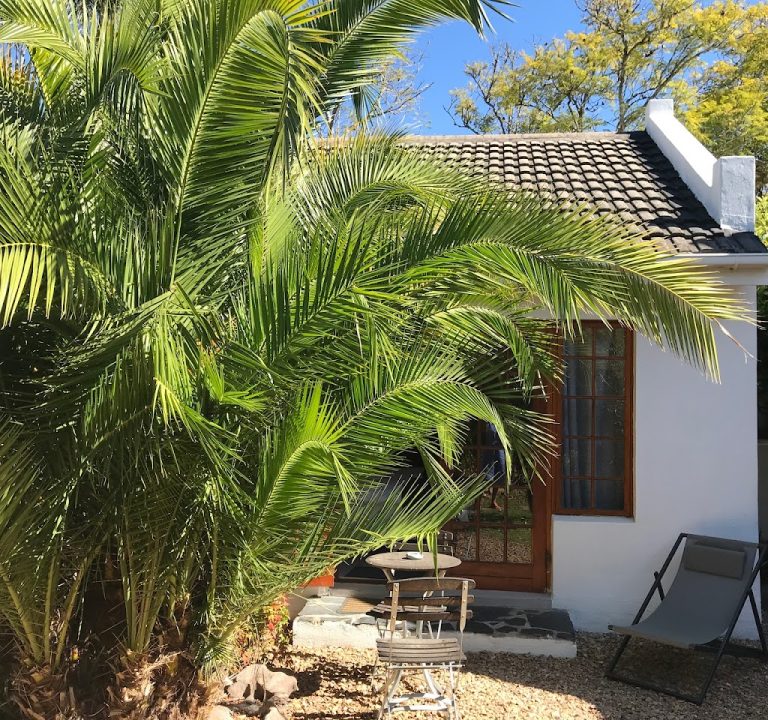
Typical amenities you’ll encounter include private en-suite bathrooms, reliable Wi‑Fi, parking on-site, and sometimes full or continental breakfasts. Many guest houses and boutique hotels offer personal touches such as concierage advice, around-town maps, and curated local recommendations. For longer stays, self‑catering cottages or apartments with kitchen facilities provide flexibility, especially if you’re travelling with children or a tight schedule. If you’re a light sleeper, ask about room soundproofing or situate yourself away from busy streets. Some properties also feature outdoor spaces such as courtyards or small gardens, which can be a welcome addition for al fresco breakfasts or a post‑day glass of wine.
Transport is a practical consideration. A car is useful for exploring the surrounding wine estates, pine‑tree-lined routes and scenic viewpoints beyond Stellenbosch itself. If you plan to visit multiple wine estates or venture out to surrounding towns, scalable travel by car offers the most freedom. Alternatively, some guests opt for organised tours or private drivers for day trips, which can simplify logistics and maximise time at attractions. Within the town, many attractions are walkable from central accommodation, and local taxi or ride-hailing services provide a convenient option for evenings out. If you’re staying in a rural or vineyard-adjacent property, check whether shuttle services or parking facilities are available to ensure smooth arrivals and departures.
The best time to visit Stellenbosch depends on what you wish to experience. Spring (August to November) brings blooming gardens and comfortable daytime temperatures, which is ideal for exploring outdoor markets and countryside walks. Autumn (March to May) offers harvest-season atmosphere in the valleys and slightly cooler days for longer winery itineraries. Summers can be lively and sunnier, while winter might bring cooler evenings and a different mood in the town’s social scene. Regardless of season, packing layers, comfortable walking shoes and a light rain jacket is sensible, as weather can change quickly in the Western Cape hills.
When planning activities, headline experiences in Stellenbosch tend to cluster around two themes: culture and scenery. The town’s historic streets, museums and art galleries offer insights into Cape history and local life, while the surrounding winelands provide scenic drives, cellar doors and cellar‑to‑table dining experiences. For those who enjoy the outdoors, nearby nature reserves, gentle mountain trails and viewpoints deliver panoramic vistas of valley and vineyard. Food lovers will find farm‑to‑table hospitality and relaxed bistros within easy reach, with menus that emphasise seasonal produce and regional wines. For a well‑rounded visit, you might blend a day of historical sights with half a day exploring a couple of estates and a longer meal at a countryside restaurant, finishing with a stroll along the town’s historic core as dusk settles.
Practical planning tips before you book and during your stay:
- Book in advance for peak seasons and consider deposit and cancellation terms, especially if you’re travelling in school holidays or during wine harvest time.
- Ask about parking arrangements and whether breakfast is included, as these can significantly affect daily plans and budgeting.
- Check room configurations for families or groups, including whether there are self‑catering facilities or shared lounges.
- Inquire about accessibility if needed, such as ground-floor rooms and step-free entry.
- Look for guest houses or boutique hotels that offer local knowledge, as hosts can provide practical tips on live music venues, seasonal markets and quiet lanes away from the tourist crowds.
- Plan a flexible day-to-day itinerary, balancing driving distances with time to linger at viewpoints, markets and small galleries.
- Respect vineyard etiquette and driving laws if you intend to sample wines at multiple estates; designate a driver if you plan to partake.
For further inspiration and practical planning resources, you can visit official tourism information sites and browse recommendations that emphasise responsible travel and local experiences. Stellenbosch combines academic heritage, landscape beauty and culinary rigour in a way that makes for a fulfilling stay, whether you’re here for a short break or a longer exploratory visit. More details and tips can be explored through the regional tourism pages and nearby winery routes to tailor your itinerary to your interests.