Accommodation and experiences in Stellenbosch: where to stay and what to explore
Stellenbosch, in the Western Cape, is renowned for its picturesque streets, Cape Dutch architecture and world-class wine estates. It’s a destination that suits a relaxed weekend break or a longer stay rooted in food, wine and outdoor pursuits. When planning a visit, consider staying in one of the town’s guest houses, boutique hotels or guest-friendly lodges, and basing yourself in a central neighbourhood that gives you easy access to the university, historic streets, and nearby vineyards.
Accommodation options in Stellenbosch span a spectrum from intimate guest houses to polished boutique hotels. A classic choice is a guest house set in leafy suburbs or in the heart of town, offering generous breakfast spreads, well-equipped rooms and personalised service. Many properties blend charming period features with modern comfort, and some have small courtyards or terraces ideal for morning coffee or an evening glass of local wine. When you book, look for amenities that suit your plans: secure parking, free Wi‑Fi, a pleasant lounge area, and a quiet room if you intend to work during your stay.
For visitors drawn to wine and gastronomy, staying near the town centre makes it easy to stroll to cafés, bakeries and wine-tasting venues. Alternatively, a stay on a wine estate within a short drive allows you to combine vineyard views with access to tastings and spa facilities. If you’re travelling with family or a group, some lodges and guest houses offer family suites, shared lounges, and outdoor spaces that accommodate relaxing evenings after day trips.
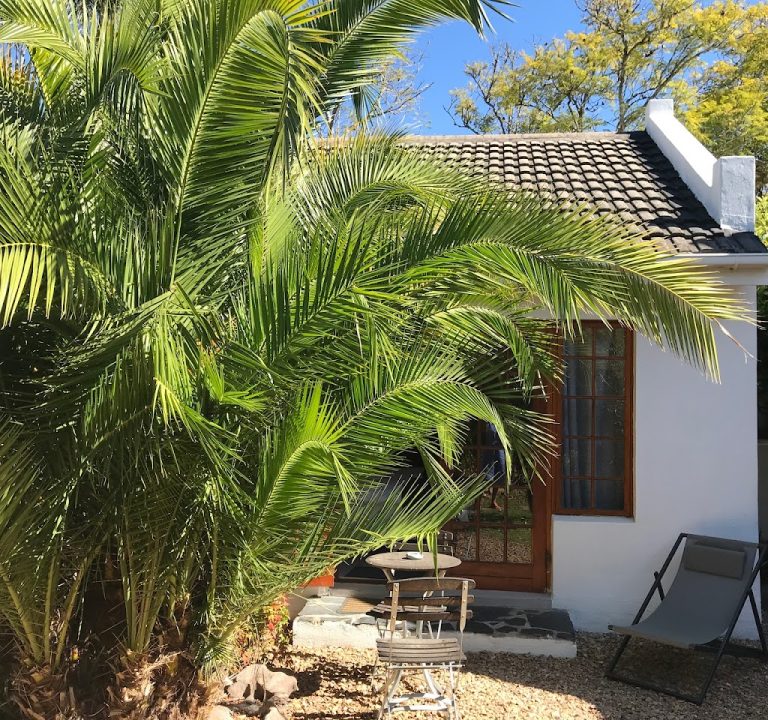
One example of a guest-friendly option is The Stables Lodge, a guest house that combines a warm, personal approach with convenient access to Stellenbosch’ sights. You can explore the property’s characterful features and plan day trips to nearby vineyards and nature reserves, while enjoying a comfortable home base. For more information on this particular property, see the official website at www.thestables-lodge.com.
Transport in and around Stellenbosch is straightforward. The town is well connected by the N1 highway to Cape Town, and a car provides the most flexibility for visiting multiple estates and natural areas. If you prefer not to drive, many guest houses offer shuttle or transfer services, and there are local taxi options. Within the town, you can often walk to the central square, university campus, and a cluster of eateries; bicycle hire is a pleasant way to explore the tree-lined avenues and vineyards on the outskirts.
Best time to visit Stellenbosch is dictated by weather and the wine calendar. Spring (late August to November) brings fresh greenery and blossoming gardens, while autumn (March to May) offers mild days that are ideal for outdoor tastings and long lunches on estate verandas. Summer can be lively with al fresco dining and bustling streets, but it can also be busier; winter brings cooler days and a quieter pace, which some visitors find perfect for exploring museums and historic houses without crowds.
Planning your stay involves a balanced approach to accommodation, meals and day trips. Consider a mix of local cafés, wine estates and nature-based activities to create a rounded itinerary. Stellenbosch’s historic town centre is compact enough to explore on foot, with notable landmarks such as a central square lined with trees, classic colonial facades, and markets that periodically appear on weekends. Boundaries between town and countryside blur as you approach the surrounding vineyards and the Helderberg Basin, inviting a scenic drive or an easy cycling route.
What to look for when booking a place to stay:
- Location relative to your planned activities (town centre vs. wine estates).
- Proximity to free parking or easy public transport access.
- Quality of breakfast and whether it includes regional specialties or fresh baked goods.
- Guesthouse or room layout: en suite facilities, quiet rooms, and storage for luggage or bicycles.
- Outdoor spaces and common areas for relaxing after a day of exploring.
Typical amenities to expect include comfortable beds with quality linens, tea and coffee facilities, reliable Wi‑Fi, and clean, well-maintained bathrooms. Many places offer curated recommendations for dining and day trips, from wine-tasting routes to nature walks in nearby reserves. If you’re planning a wine‑focused itinerary, ask about partnerships with nearby estates, guided tastings, or private tours, which some properties arrange on request.
Activities and attractions beyond the guest house experience are plentiful. Historic streets invite gentle strolling, and the surrounding countryside offers options for hiking, mountain biking, or vistas over the surrounding hills. Wine estates provide guided tastings and cellar tours, while farmers’ markets and craft shops showcase local produce and regional crafts. Dining in Stellenbosch ranges from casual bistros to refined restaurants that emphasise seasonal South African ingredients paired with local wines. For visitors seeking a broader experience, day trips to nearby towns or nature reserves are easy to arrange, with scenic routes and picture-perfect viewpoints along the way.
Helpful practical tips: arrive prepared with a flexible plan, especially during peak harvest seasons when estate tasting slots can fill quickly. Reserve popular accommodation in advance, and be mindful of gate times at some estates. Bring comfortable walking shoes for town explorations, a light layer for cool mornings and evenings, and a camera to capture the blend of mountains, vineyards and historic façades. If you’re visiting in spring or autumn, pack a light waterproof layer for occasional showers that can occur in the Western Cape climate. Above all, allow time for unplanned discoveries—the charm of Stellenbosch often reveals itself in unexpected places, from a quiet courtyard cafe to a scenic overlook after a short detour from the main road.