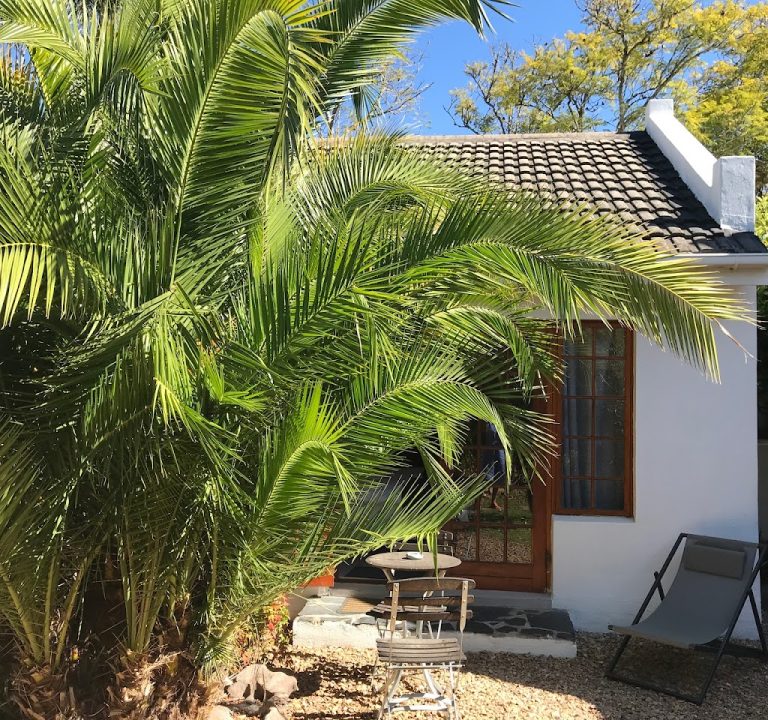
Stellenbosch: Stay, savour, and explore in the Western Cape
Stellenbosch is a compact university town famed for its neighbourly hospitality, tree-lined streets, and a landscape stitched with vineyards and mountains. When planning a stay, you can choose from refined boutique hotels, cosy guest houses, and self‑catering cottages that place you at the heart of the Cape Winelands experience. Some properties sit within the historic core, offering easy strolls to galleries, cafés, and the university precinct, while others are tucked away in quieter neighbourhoods with gardens and pool spaces for a restful retreat after a day of wandering.
Accommodation in Stellenbosch tends to balance character with practicality. Look for rooms or suites that feel authentic to the town’s heritage—think timber ceilings, stone walls, and guest lounges that encourage conversation over a glass of local wine. Typical amenities include free Wi‑Fi, private or en‑suite bathrooms, daily housekeeping, and secure parking. Breakfast is often a highlight, with options ranging from continental spreads to full English or locally inspired fare featuring fresh fruit, yoghurt, and artisanal bread. If you prefer staying within walking distance of the centre, a centrally located guest house or boutique hotel can minimise the need for daily transport and maximise time spent exploring.
Areas to consider include the historic town centre, where you’ll find easy access to shops, eateries, and wine‑tasting venues. A quieter leafy suburb offers a tranquil base with garden spaces, while vineyard‑fringe properties provide scenic views and easy access to the surrounding wine routes. If you plan day trips to nearby wine farms or nature reserves, choose a property with convenient access to main roads or public transport routes. Some guest houses and boutique hotels also offer shuttle services or can help arrange guided tours, which can be a hassle‑free way to explore your surroundings.
When booking, consider the following practicalities. Proximity to amenities matters if you prefer not to hire a car every day: walking access to cafés and markets can make a big difference, especially on a tight schedule. If you will rely on taxis or ride‑hailing, check whether the property is in a residential area where late‑night pickups might be sparse. For those visiting during peak seasons, such as harvest time, book well in advance and confirm whether your preferred dates include any local events that could affect availability or rates. If flexibility is important, look for properties that offer cancellable rates or partial refunds within a reasonable window.
Transport options in Stellenbosch are straightforward. A car is useful for exploring the wider Winelands, but it isn’t strictly necessary within the town itself. Many streets are pedestrian friendly, and some accommodation providers can advise on safe walking routes to the town centre. If you plan winery visits, consider joining a guided tour or arranging a private driver for a day; this can simplify tastings, pairing meals, and logistics. For costs, you’ll typically find affordable private tours, with the option to tailor itineraries to your interests—whether you want a relaxed day among family‑run farms or a more structured wine‑and‑dine itinerary.
Best time to visit Stellenbosch depends on what you want from your trip. Spring and autumn offer mild, pleasant weather with fewer crowds than peak summer; the surrounding vineyards are often particularly beautiful during these seasons. Summer brings longer days suitable for outdoor dining and vineyard walks, while winter can be quieter and wonderfully atmospheric in historic corners of the town. If you’re chasing wine harvest energy, align your stay with the picking season, but book well in advance as these periods can be popular with visitors and locals alike.
Practical tips to make the most of your stay. Pack comfortable walking shoes for cobbled streets and gentle hills, and bring a light layer for cool evenings. When booking, request details about the room layout (private entrance, balcony, or shared spaces) and temperatures, as some older properties use characterful but less predictable heating and cooling systems. Look for guest houses or boutique hotels with on‑site spaces to relax after a day of sightseeing—a courtyard, sun deck, or cosy lounge can be a welcome retreat. If you’re curious about food and drink, plan ahead for a few meals that highlight the region’s fare: farm‑to‑table dishes, fresh fruit and cheeses, and locally produced wines are common in many Stellenbosch venues, with menus that celebrate seasonal ingredients.
Across the town, attractions range from historic architecture and art galleries to open‑air markets and wine‑tasting rooms. You’ll also find scenic drives along vineyard‑lined routes, wine farms offering cellar tours, and nature trails that reveal the surrounding fynbos and mountain scenery. Dining options tend to range from contemporary bistros to more informal cafés, with a focus on fresh, local produce. For Crofters Guesthouse or similar stays, you’ll likely experience a welcoming, community‑spirited atmosphere that pairs well with a relaxed itinerary and a sense of discovery.
- Choose accommodation with clear travel logistics: parking, security, and easy access to routes you plan to use.
- Consider a mix of town‑centre stays for convenience and countryside lodgings for scenery.
- Book early during harvest or festival periods to secure availability and a preferable rate.
- Look for properties offering guidance on local experiences, such as wine tastings, farm tours, or culinary discoveries.
Stellenbosch rewards travellers with a balanced blend of accessible city comforts and the serenity of the surrounding Winelands. Whether you opt for a stylish guest house like Crofters or a modern guest‑friendly boutique, planning ahead and prioritising comfort, transport ease, and local flavour will help you make the most of your stay in this welcoming corner of the Western Cape.