Planning a Stay in Cape Town: Where to Stay, What to Look For, and Things to Do
Cape Town is a city of contrasts, where ocean sunsets meet dramatic mountains, historic neighbourhoods, and a thriving hospitality scene. Whether you are seeking a stylish self‑catering retreat, a cosy guesthouse tucked into a leafy suburb, or a modern hotel with sweeping views, there are options to suit every budget and travel style. Planning a stay in Cape Town begins with choosing the right area, followed by sensible considerations about amenities, transport, and seasonal timing.
First‑time visitors often weigh the following areas when booking. The V&A Waterfront area is convenient for those who want a compact itinerary with easy access to shops and harbour sights, while the city centre offers a lively mix of eateries and cultural venues. The Atlantic Seaboard, including Camps Bay and Sea Point, provides dramatic coastline views and a more upmarket feel, ideal for beach lovers and sunset watchers. For a slower pace and a more residential ambience, the southern suburbs (such as Constantia or Kirstenbosch vicinity) appeal to guests seeking tranquillity, gardens, and wine estates. Finally, the lush suburb of Green Point and the slopes near Table Mountain offer easy access to trails and a central position without being in the densest part of town.
When evaluating accommodation, look for a few practical features that impact daily life. A well‑equipped kitchen or kitchenette matters for self‑catering stays, while reliable Wi‑Fi should be part of the package if you plan to work or stream. Consider whether you prefer a guesthouse with a shared lounge and dining areas, or a private apartment with its own entrance. Air conditioning or good heating is important in Cape Town’s changing seasons, as are adequate security measures in residential neighbourhoods. Access to parking, a lift if you are staying on higher floors, and proximity to amenities such as supermarkets, laundries, and public transport can save time during your trip.
Transport in Cape Town is highly dependent on your plans. The MyCiTi bus network offers routes across major corridors, but some routes are less frequent outside peak times. A rental car provides maximum flexibility for day trips to the Cape Peninsula, Cape Point, and wine lands, but can be less convenient in busy central areas where parking is limited. Many guesthouses and boutique hotels can arrange guidance on transfers or local chauffeur services. For a greener or more relaxed option, consider rideshare apps for shorter hops, and enjoy the scenic drives along the Atlantic coast when time allows.
Best time to visit Cape Town is guided by weather and crowds. The summer months (roughly December to February) bring longer daylight hours and calmer seas for coastal adventures, but peak tourist demand can push prices up. Late autumn (March to May) and spring (September to November) are excellent for moderate temperatures and fewer crowds, with a bloom of plants around Kirstenbosch and other gardens. Winter (June to August) is cooler and wetter, yet many visitors enjoy the city’s indoor cultural venues, markets, and wine‑country escapes just a short drive away. If you are planning outdoor activities such as hiking Table Mountain or visiting Seal Island cruises, mornings tend to be clearer and more pleasant, regardless of season.
Accommodation types vary to match different preferences. A self‑catering guesthouse or apartment offers the freedom to cook and set your rhythm, often with a personalised touch and recommendations from hosts. Boutique hotels and lodges can provide a more structured stay, with daily housekeeping, curated local experiences, and on‑site dining. Family‑friendly properties may supply high chairs, cots, and dedicated play spaces, while adult‑only options can be ideal for couples seeking a quiet break. When booking, read the listing for what is included, such as linens, beach towels, and stocked essentials, and check the cancellation policy to align with travel plans.
Beyond accommodation, Cape Town offers a wealth of experiences that suit varied interests. Scenic drives along Chapman’s Peak or the Atlantic coast offer stunning viewpoints. A visit to the historical heart of the city includes promenades and museums that illuminate South Africa’s stories. Tables visible from hilltop viewpoints give a sense of the city’s scale and beauty. Food lovers will discover a diverse dining scene—from casual cafés serving breakfast pastries to fine‑dining venues focused on fresh seafood and farm produce. In addition, local markets provide opportunities to sample crafts, street food, and regional products, often within a short distance of your stay.
Practical tips to help plan a smooth trip:
- Book accommodation with clear directions and a map of the area to help navigate local streets and parking rules.
- Ask hosts or reception for reliable transport options and the safest routes for night trips.
- Check for water and energy sustainability measures, as Cape Town has experienced periods of water restrictions and load shedding; many properties offer back‑up power and water‑saving practices.
- Pack layers for rapidly changing weather, a light rain jacket, and comfortable walking shoes for coastal paths and markets.
- Plan a balanced itinerary that includes outdoor time, cultural experiences, and downtime to appreciate the surroundings without rushing.
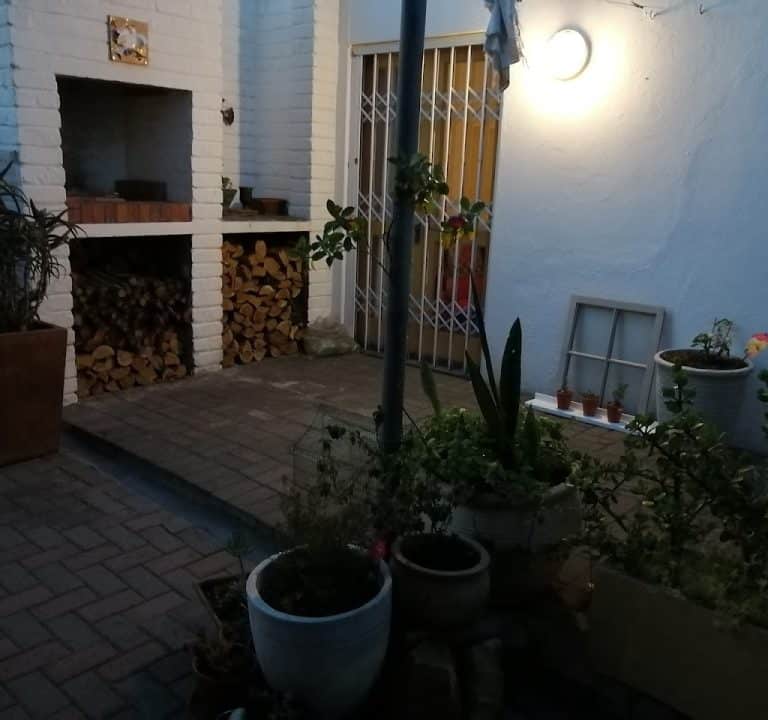
For guests interested in a specific stay such as TILLA’S PLACE GUESTHOUSE, a self‑catering option in a welcoming neighbourhood, consider how the space aligns with your priorities: privacy, kitchen facilities, and proximity to places you want to explore. Whether you choose a self‑catering base or a traditional guesthouse, Cape Town rewards curious travellers with memorable views, friendly conversations, and a sense of connection to the region’s beauty and flavour. For further ideas and practical planning, you can explore official tourism resources and reputable travel sites that profile neighbourhoods, routes, and seasonal highlights across the Western Cape.