Accommodation and Attractions in Cape Town: Planning a Memorable Stay
Cape Town offers a diverse range of places to stay, from airy self-catering apartments to boutique guesthouses and well-appointed hotels. When planning a visit, think about how you want to balance scenic setting with practical convenience. The city’s neighbourhoods each have their own character, transport links, and access to the major sights, so selecting the right base is as important as choosing your daily activities.
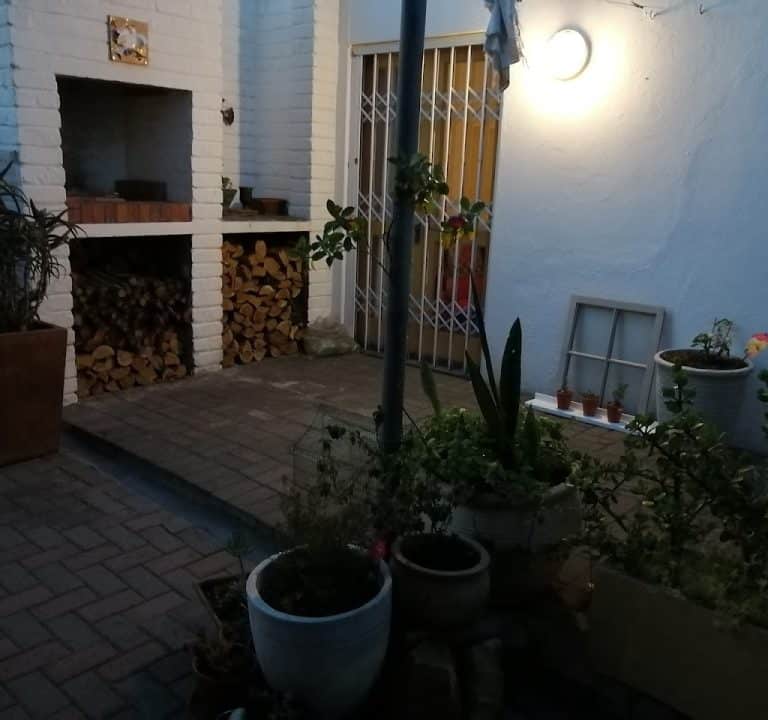
Self-catering and lentil-to-lace options, such as Nathier’s Place, provide flexibility for travellers who prefer a home-from-home feel. These kinds of properties can be particularly convenient for longer stays, families, or travellers who enjoy cooking their own meals after a day out exploring the mountains and beaches. In addition to self-catering options, Cape Town has stylish boutique inns, modern apartment hotels and well-reviewed guesthouses in a variety of price ranges. When evaluating accommodation, consider factors such as location, size, natural light, privacy, and easy access to essentials like supermarkets, cafés, and public transport.
Areas to consider include:
- City Centre and the Foreshore: close to museums, markets, and an array of dining options, with good links to urban transport.
- V&A Waterfront and Green Point: ideal for travellers who want waterfront views, easy access to tours, harbour trips, and cycle routes.
- Green Point and Sea Point: a lively neighbourhood with promenade walks, parks, and a mix of apartments and guesthouses.
- Observatory and Woodstock: known for creative hubs, street art, and a growing scene of eateries and independent shops.
- Camps Bay and Clifton: spectacular beaches and upmarket accommodation, best for travellers seeking scenery and a resort-like ambience.
- Constantia and the Constantia Valley: a quieter, leafy area convenient for day trips to the winelands and scenic drives.
When you book, look for the following typical amenities and features to gauge value and comfort. A well-equipped kitchen or kitchenette, reliable Wi‑Fi, adequate storage, and good lighting can make a big difference, especially for longer stays. A comfortable bed with quality linens, a private bathroom, and climate control (air conditioning or heating) are equally important. If you value outdoor space, seek listings with a balcony, terrace, or access to a garden. For families or groups, properties with multiple bedrooms and a sensible layout help ensure privacy and ease of living.
Transport in Cape Town is varied. The MyCiTi bus network, rail links, and reliable ride-hailing options make it feasible to stay outside the central areas while still having easy access to the city’s sights. If you intend to venture to the Cape Peninsula, plan a day trip with a reputable operator or hire a car if you are comfortable driving on the left. Proximity to a tram or bus stop can save time, while free or paid parking features at a property can be a practical upside in busy parts of the city.
Best time to visit Cape Town combines pleasant weather with quieter crowds in late spring (October to November) and autumn (March to May). Summer (December to February) brings warmer days and bustling waterfront activity, but it can also be the peak tourist period. Winter (June to August) is cooler and quieter, with fewer crowds and occasional rain. Whichever season you choose, plan for variability and be prepared with a light waterproof layer and comfortable walking shoes for ascents to viewpoints or Table Mountain weather conditions.
Practical planning tips for a smooth stay:
- Check for properties with flexible cancellation policies, especially if your plans may shift due to weather or transport disruptions.
- Read recent guest reviews to gauge cleanliness, responsiveness, and the accuracy of listings.
- Consider how easy it is to access your daily activities from your base, including tours, beaches, and markets.
- Ask about security measures and neighbourhood safety while keeping in mind that much of Cape Town is welcoming to visitors with sensible precautions.
- Plan a mix of outdoor adventures (such as hikes or coastal walks) with lighter days exploring museums, markets, and cafés.
Dining and picks in Cape Town are as varied as the scenery. Expect a mix of vibrant casual eateries and refined dining options offering a fusion of flavours influenced by coastal ingredients and diverse culinary traditions. Rather than focusing on individual restaurant names, browse neighbourhood hubs for markets, seasonal menus, and chef-driven menus that emphasise local produce. For a balanced itinerary, pair a day of beach or cable-car escapades with evenings spent enjoying a waterfront promenade, city lights, or a neighbourhood bakery and bistro scene.
Top experiences and attractions are shaped by natural beauty and accessible public spaces. The city is renowned for panoramic viewpoints, iconic Table Mountain views, and botanical splendour in nearby parks and gardens. You can also explore the historic parts of the city, wander through markets for crafts and snacks, and enjoy scenery that transitions from harbour vistas to mountainous backdrops. To plan ahead, consult official tourism portals for practical information, seasonal events, and current advisories, and map out a flexible itinerary that allows for weather changes and spontaneous discoveries.
For a balanced, well-informed stay, combine carefully chosen accommodation with a thoughtful plan for transport, daily activities, and downtime. Cape Town rewards curious travellers with its landscapes, neighbourhood variety, and a generous spirit of hospitality. By selecting the right base and building in time for both outdoor adventures and restful centres, you can craft a stay that feels both effortless and memorable. For more inspiration, visit official tourism resources and browse accommodation websites that highlight locality, amenities, and guest experiences.