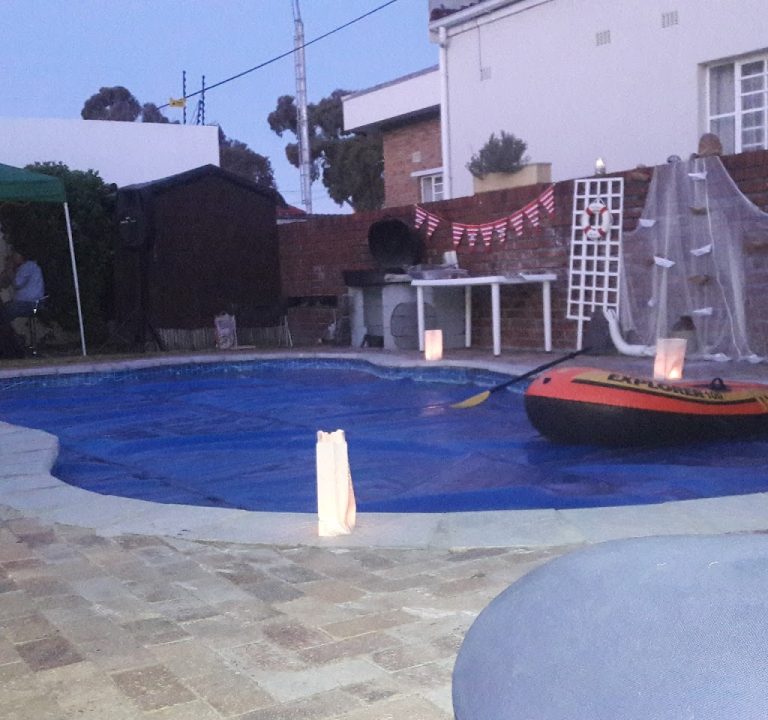
Savoy Lodge is a Guest house establishment in Cape Town, Western Cape, South Africa
Savoy Lodge, Cape Town — About
Situated in the Cape Town area of Western Cape, Savoy Lodge presents a modest and straightforward lodging option within reach of the city’s vibrant neighbourhoods and scenic surroundings. The property is positioned in Rondebosch East, offering a convenient base for travellers who are exploring the broader Cape Town region while seeking a comfortable place to rest between adventures.
As an external observer, the emphasis appears to be on providing guest accommodation with a focus on accessibility and ease of booking. The official site acts as the primary gateway for reservations and further information, guiding potential guests to the appropriate channels for planning their stay. Details regarding specific room types, on-site facilities, or the full scope of amenities are not itemised in the available material, which suggests a flexible approach to accommodation that may vary by season or availability.
For travellers who value a straightforward, no-nonsense booking experience, Savoy Lodge offers a clear entry point via its website. This emphasises reliable reachability and direct communication with the property for securing stays in Cape Town. While the site does not enumerate a comprehensive list of in-room features or on-site services within the public content, it remains the central resource for anyone considering a visit, providing the essential link to arrange accommodation.
In terms of the type of travel Savoy Lodge might best serve, the property appears suitable for guests seeking a practical base from which to explore Cape Town and its surrounding regions. The setting in a residential-adjacent area can be appealing for travellers who prioritise a calm, convenient location alongside a straightforward guesthouse experience rather than a high-profile hotel feature set.
Nearby attractions, dining options, and activity recommendations are not detailed on the site’s publicly available material. Therefore, prospective guests are encouraged to consult the official website for travel planning and to explore areas of interest in Cape Town by using standard travel resources in conjunction with the lodge’s booking page. This approach helps visitors tailor their itinerary while keeping arrangements simple and efficient.
Booking and travel tips for Savoy Lodge include using the official site as the primary channel for reservations, which helps ensure accurate availability and direct confirmation. travellers might also consider standard travel planning practices for Cape Town, such as checking current local transport options, weather patterns, and the practicalities of moving between suburbs and key sights—bearing in mind that precise access details and transit times will depend on the chosen dates and routes.
- Use the official Savoy Lodge website for reservations and up-to-date information.
- Plan travel times with awareness of Cape Town’s traffic patterns and local transit options.
- Check for any seasonal variations in availability or rates through the booking portal.
- Explore nearby areas of interest from a central, well-connected base in Rondebosch East.
Cape Town
Western Cape
7780
South Africa


Exploring Cape Town: A guide to accommodation and experiences in the Western Cape
Cape Town is a city of contrasts, where dramatic coastline meets grand mountains and chic neighbourhoods. For visitors seeking a comfortable base, there are guest houses, BnBs, and boutique hotels scattered across several distinct areas, each with its own character. From leafy Vrygrond to the historic streets of Woodstock, and the waterfront bustle of the V&A precinct, you’ll find places that suit quiet retreats, family stays, or stylish breaks with easy access to city sights and coastal escapes.
When planning a stay, consider the rhythm you want. If you crave sweeping sea views and a cosmopolitan scene, stay near the V&A Waterfront or Camps Bay. For a more residential, family-friendly vibe with quick access to Table Mountain and leafy parks, look at areas such as Constantiaberg, Oranjezicht, or Rondebosch. For a bohemian, arts-led atmosphere with easy transport links, Woodstock and the suburb of Gardens offer a mix of historic homes and contemporary stays. Cape Town is compact enough that many attractions are reachable by a short drive or ride-share, but choosing a location with convenient transport access can save time and reduce stress during peak traffic hours.
What to look for when booking:
- Proximity to tram or MyCiTi bus routes, and access to major arteries for easy day trips.
- Rooms with en-suite facilities, reliable hot water, and good natural light.
- Comfortable seating and workspaces if you’re combining a break with a bit of work or admin.
- On-site or nearby parking, and clear information about transportation options to popular hubs.
- Clear policies on breakfast offerings, housekeeping, and guest access to shared spaces.
Typical amenities you might encounter include a hearty breakfast with fresh fruit, self-catering options in some units, free Wi-Fi, and warm, personalised hospitality that reflects Cape Town’s diverse culture. Guest houses often provide a curated, homely feel with a private garden, a sun deck, or a courtyard where you can unwind after a day of sightseeing. For those chasing luxury, boutique hotels and design-forward BnBs may offer stylish interiors, attention to detail, and insider tips on local eateries and hidden viewpoints.
Transport and getting around are practical considerations. From many central pockets of the city, rideshares and the MyCiTi bus network offer straightforward ways to reach Table Mountain, the Kirstenbosch National Botanical Garden, and the Atlantic Seaboard. If you’re staying near the southern suburbs or the southern peninsula, a car can be convenient for longer day trips to the Cape Winelands, Cape Point, or Cape Town’s coastal towns. Ask your host about safe parking, the best routes for traffic patterns, and any recommended local taxis or transfer services. Weather can be temperate but changeable, so packing a light jacket and comfortable walking shoes is sensible most of the year.
Best time to visit Cape Town depends on what you want from the trip. Summer (December to February) brings long days, beach-going and outdoor events, but it is also peak season with higher room rates and more crowds. Spring (September to November) and autumn (March to May) offer mild weather and quieter streets, ideal for hiking Table Mountain or visiting the surrounding winelands. Winter (June to August) remains cool and occasionally wet, yet the city can feel lively with art events and indoor activities. Always check local calendars for markets, food festivals, and cultural happenings that reflect Cape Town’s vibrant creative scene.
Practical tips to enhance your stay:
- Book with reputable guest houses or boutique hotels that list guest reviews and clear policies on service and amenities.
- Ask about breakfast arrangements, late check-in options, and any guest lounge or kitchen access.
- Reserve a room with a view or a balcony if you value morning light and sea breezes.
- In peak season, consider flexible booking options or refundable rates in case your plans shift.
- Take sensible precautions with valuables and be mindful of night-time pedestrian routes, particularly in less populated areas after dark.
For accommodation with local charm, you might consider establishments such as Savoy Lodge, a guest house with a characterful setting in Cape Town. Their website offers more details on rooms, facilities, and nearby attractions: Savoy Lodge.
Attractions and experiences are as varied as the city itself. Visitors typically enjoy views from iconic peaks, walks along scenic coastal paths, and visits to cultural hubs that showcase South Africa’s heritage. Eating out ranges from casual cafés serving flavourful, seasonal fare to restaurants with innovative menus that celebrate local produce. While exact names, prices, or awards are subject to change, Cape Town’s dining scene is widely praised for its fresh seafood, outdoor dining in favourable climes, and markets where you can sample regional goods. When planning meals, and to keep things moving smoothly, consider booking a table in advance for popular spots and leaving room for spontaneous lunches at harbour-side venues or garden cafés after a morning spent roaming the city’s parks and streets.
Whether you’re here for a tranquil break, family moments, or a base from which to explore the winelands, Cape Town offers a well-rounded mix of accommodation, transport options, and experiences designed to help you make the most of your Western Cape stay.
Sorry, no records were found. Please adjust your search criteria and try again.
Sorry, unable to load the Maps API.
Why Claim Your Listing?
Claiming your listing on the B&B Finder directory website is a valuable opportunity for business owners. Here are five reasons why you should consider claiming your listings:
Control Over Business Information: By claiming their listing, business owners can ensure that all the information presented is accurate and up-to-date. This includes details such as contact information, address, pricing, and available services or amenities. Accurate information helps prevent customer confusion and improves overall satisfaction.
Enhance the Listing: Once a listing is claimed, owners can enhance it by adding more comprehensive information and rich media, like high-quality photos and videos. These additions can make the listing more attractive and engaging to potential customers, thereby increasing the likelihood of bookings.
Marketing Opportunities: Claiming a listing can also open up additional marketing opportunities. Owners may be able to participate in promotional campaigns, special offers, and other marketing activities organized by the directory. This can increase visibility and attract more customers to the business.


