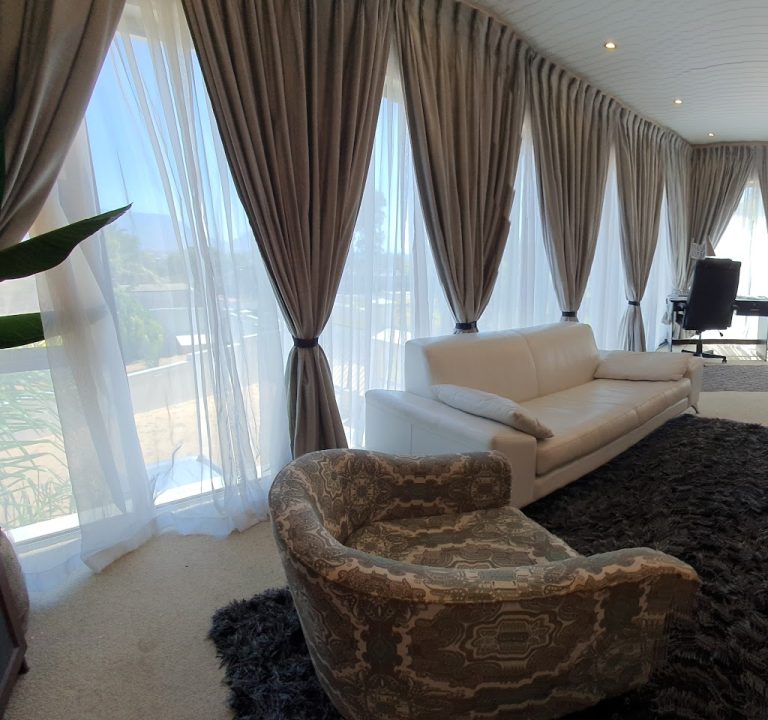
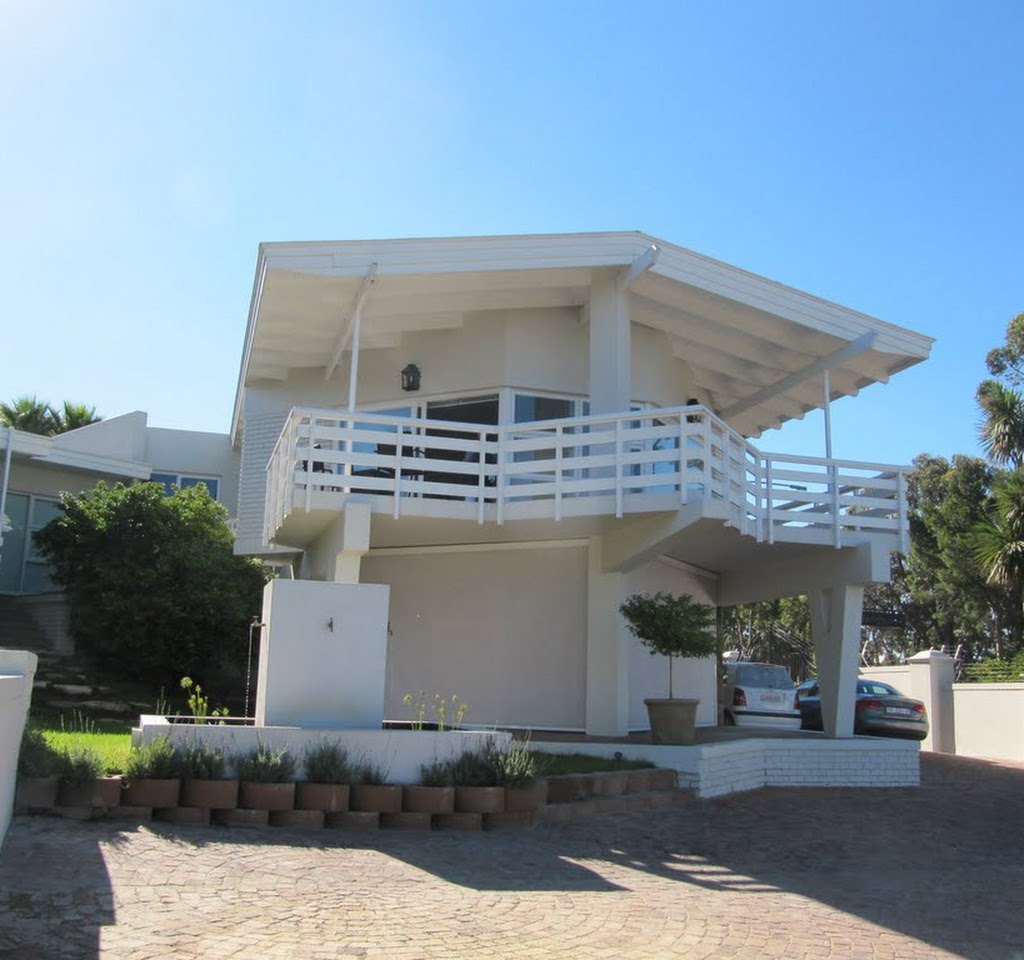
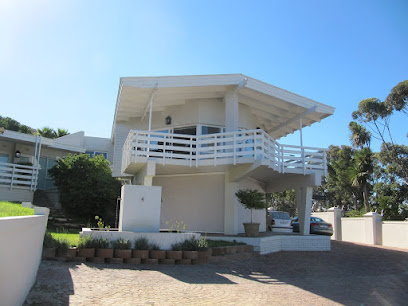
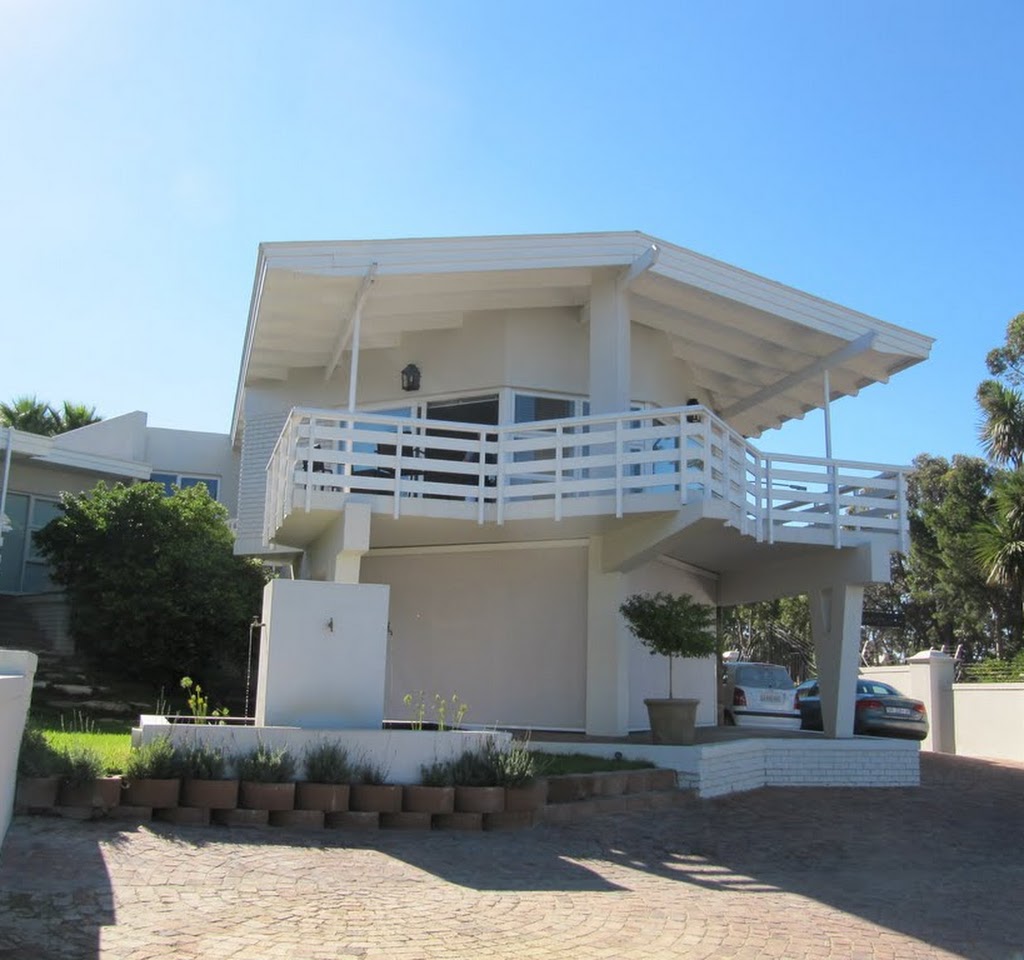
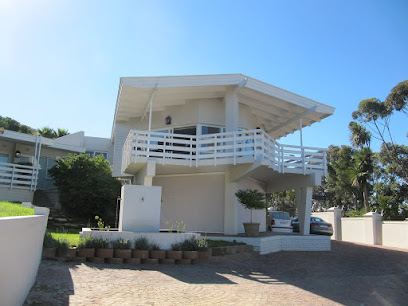
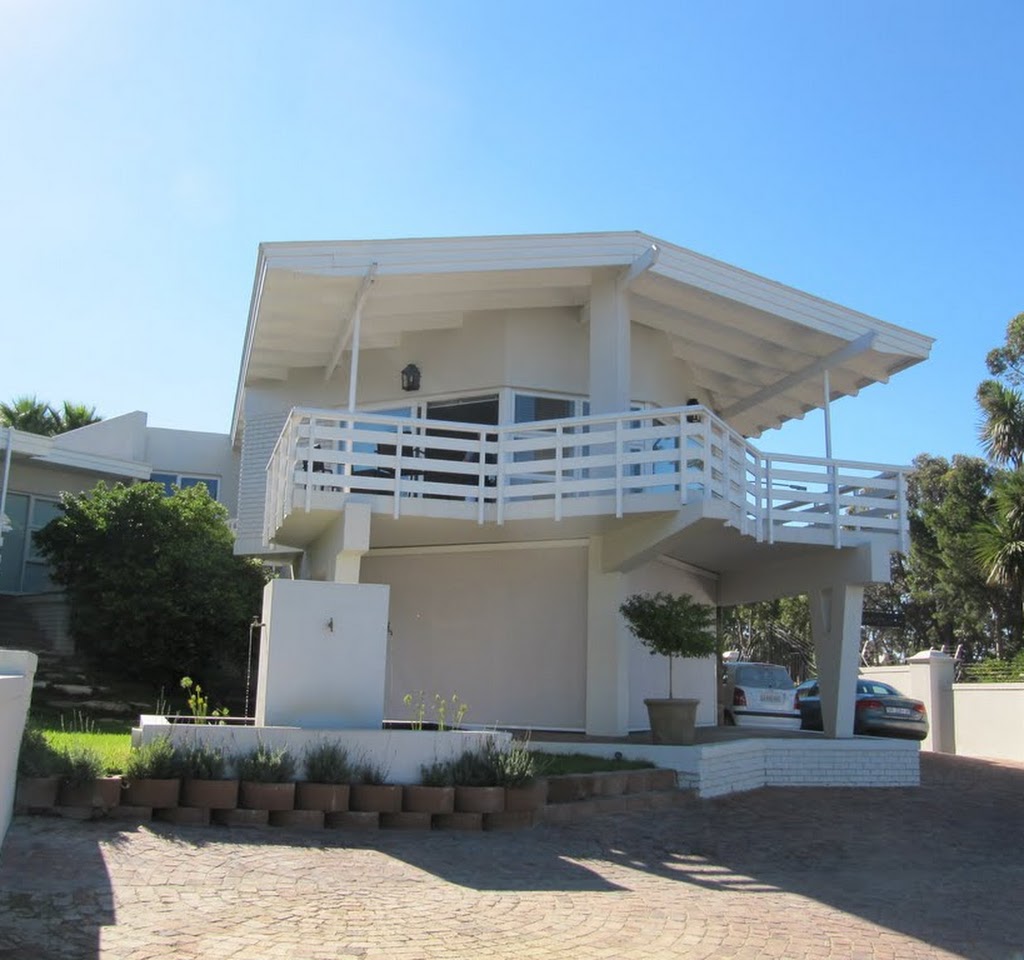
Thyme Wellness Spa and Guesthouse is a Guest house establishment in Cape Town, Western Cape, South Africa
Thyme Wellness Spa and Guesthouse: Tranquillity Between Cape Town and the Winelands
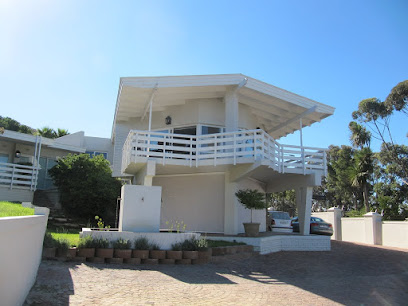
Placed in the leafy suburb of Plattekloof, Thyme Wellness Spa and Guesthouse presents a thoughtful blend of modern comfort and restorative wellness, positioned conveniently between Cape Town’s urban energy and the historic winelands of Stellenbosch, Paarl, and Franschhoek. This setting appeals to both holidaymakers seeking a peaceful retreat and travelling executives requiring a calm base from which to explore the region. The guesthouse is complemented by a spa that invites guests to slow down, breathe deeply, and indulge in personalised wellness experiences.
The property is described as a one-stop experience designed to balance rest with rejuvenation. The location is highlighted for its proximity to the Tygerberg Nature Reserve, along with access to the famed Durbanville wine route, where several five‑star wine estates and acclaimed restaurants reside. This makes Thyme an attractive option for visitors who want a scenic backdrop and convenient day trips to wine country, as well as those needing easy access to Cape Town’s airport and city amenities.
Within the guesthouse, accommodation is designed to feel like a luxury home away from home. Each room is noted for being well‑located and thoughtfully furnished, with features often associated with upscale guesthouse hospitality. Expect percale linens for a comfortable night’s sleep, air conditioning for year‑round climate control, and modern conveniences such as DSTV, Wi‑Fi, and in‑room coffee facilities. Decor draws inspiration from herb and spice motifs to awaken the senses, pairing stylish interiors with a serene ambience suitable for unwinding after a day of meetings, sightseeing, or spa rituals.
Thyme Spa operates as a distinct yet integral feature of the property, offering a range of treatments within a Fynbos-inspired concept. The spa experience is designed to be flexible—whether a guest is in for a single treatment or part of a longer wellness programme. Facilities include multiple pool areas, a steam room, two jacuzzis, and an apothecary bar where guests can participate in making their own organic fynbos scrubs and masks under the guidance of therapists. Spa guests can relax in dedicated areas, enjoying herbal teas and light bites in the Harvest Café after treatments. The spa’s approach emphasises wellbeing and renewal, with therapists and equipment positioned to deliver appealing skincare and relaxation results.
For guests seeking social connection or private moments of downtime, the guesthouse offers a range of communal spaces. A viewing deck affords panoramas over Table Bay, while a fireplace area provides a cosy setting for glass‑in‑hand evenings. Garden swing chairs and a Jacuzzi offer options for outdoor relaxation, and the overall atmosphere is described as welcoming and home‑like, with staff dedicated to making guests feel settled and cared for from arrival to departure.
Who is Thyme Wellness Spa and Guesthouse best suited for? The property markets itself towards tourists and travelling professionals alike, presenting as a tranquil base that supports both leisure itineraries and work commitments. The combination of spa facilities, comfortable guest rooms, and a strategic position near major transport hubs and shopping precincts makes it a sensible choice for couples seeking a restorative break, small business groups organising retreats or team events, and individuals who value a restful environment close to Cape Town’s urban offerings and the countryside’s wine routes.
Nearby highlights include the Tygerberg Nature Reserve, which provides opportunities for short walks and outdoor appreciation of the region’s natural beauty. The Durbanville wine route is a prominent draw, offering easy access to well‑regarded estates and dining experiences that showcase the Western Cape’s renowned wine and culinary traditions. For broader exploration, Cape Town’s International Airport is conveniently close, and the Canal Walk Shopping Centre—one of the city’s major retail hubs—can be reached within a short drive. The location is well placed for guests who wish to balance a relaxed stay with day trips into the city or into wine country.
Booking and travel tips: guests planning a stay at Thyme Wellness Spa and Guesthouse can expect a personalised service ethos, with staff emphasising guest comfort and seamless experiences—from check‑in to spa appointments and dining. While specific pricing and room types are not itemised on the public pages, the guesthouse emphasises a package that includes both accommodation and access to spa facilities, as well as the option to combine treatments into bespoke packages. Visitors are encouraged to explore the official site for current room availability, spa menus, and any seasonal specials or event packages. A booking link is provided for convenience, guiding prospective guests to secure a stay that aligns with their wellness and travel plans.
Overall, Thyme Wellness Spa and Guesthouse presents a refined yet relaxed retreat that integrates restorative spa experiences with comfortable, stylish accommodation. Its strategic location between Cape Town and the Winelands, coupled with its emphasis on wellness and hospitality, makes it a compelling option for travellers seeking a serene base from which to explore the region’s diverse landscapes, wine estates, and cultural offerings.
- Website: Thyme Spa & Guesthouse
Cape Town
Western Cape
Cape Town
South Africa
Cape Town Accommodation and Experience Guide: Where to Stay and What to Do
Cape Town, set between ocean, mountains and vineyards, offers a wide range of stays from charming guesthouses to modern boutique hotels. Whether you are seeking a quiet hillside retreat, a stylish city base, or a convenient stopover linking the airport with the winelands, planning a well‑chosen stay can maximise your time in this diverse region. This guide covers where to stay, what to look for when booking, typical amenities, transport options, the best times to visit, and practical tips to help you get the most from your visit.
When choosing an area, think about what you want to access most. The Atlantic Seaboard and the City Bowl are popular for first‑time visitors, offering easy access to beaches, restaurants and nightlife. Wandering the historic streets of the city centre or strolling the V&A Waterfront can be energising, while the more relaxed Atlantic Seaboard neighbourhoods provide sweeping harbour and ocean views. If your plans include wine estates and scenic drives, consider staying near the Constantia Valley, Stellenbosch, or Franschhoek, where day trips can be combined with restful evenings. For a quieter rural feel closer to nature, areas inland or on the foothills of Table Mountain can provide a tranquil base without sacrificing accessibility to the city’s sights.
Spotting a comfortable, well‑equipped room is essential for a good stay. Look for guesthouses or boutique hotels that offer air conditioning or efficient ventilation, dependable Wi‑Fi, private or en‑suite bathrooms, and a seating area or coffee facilities in rooms. Breakfast options are a common feature; many hosts curate a continental or cooked breakfast to suit guests’ schedules. If you plan a social itinerary, note whether there are common guest lounges, a garden or outdoor area, and spaces to unwind after a day of exploring. In boutique or family‑run places, staff often go the extra mile to share local tips, arrange spa treatments, or help plan day trips.
Practicalities matter for a smooth stay. Check parking arrangements if you plan to hire a car, and confirm easy access to reliable transport options for day trips. Proximity to the airport, major highways, or public transport hubs can save time, while on‑site parking or shuttle services are helpful in busy seasons. If you are visiting for business or a special occasion, look for venues that can accommodate private bookings, meeting spaces, or event support in addition to guest rooms. For longer breaks, assess whether the property offers facilities such as a spa, pool, or a viewing deck where you can unwind after a day of sightseeing.
Transport around Cape Town is manageable but varied by area. The city centre, V&A Waterfront, and the Atlantic Seaboard are walkable in places, with taxis and ride‑hailing services readily available. Renting a car provides flexibility to explore wine routes, coastal towns, and the peninsula’s natural landscapes at your own pace. If you prefer not to drive, many guesthouses and hotels can arrange guided tours or transfers, and nearby amenities such as shopping centres or medical facilities are often within short drives. Remember to factor in peak traffic times, particularly on routes into the city centre and out to the winelands during weekends and holiday periods.
The best time to visit Cape Town depends on your priorities. Late spring and early autumn offer mild weather and lighter crowds, making sightseeing, hiking and outdoor dining especially pleasant. Summer brings longer days, ideal for coastal activities and sea breezes, though popular beaches and attractions can be busier. Winter is cooler and wetter, but you can find cosy cafes, intimate dining rooms, and fewer crowds in museums and galleries. If you’re planning specific wine‑route experiences, check harvest calendars and seasonal availability at estates, and plan ahead for tastings and tours that require advance bookings.
When planning your stay, a few practical tips can save time and stress. Book accommodation with flexible cancellation policies during peak travel times. Read recent guest reviews for candid feedback on cleanliness, staff service, and consistency. If you have dietary preferences or accessibility needs, choose a property that explicitly notes how they can accommodate them. It’s also wise to check whether the place provides spa access or partnerships with nearby wellness facilities, especially for a restorative break. Finally, consider a base that blends comfort with easy access to your chosen activities, whether that means a scenic hilltop guesthouse, a chic city boutique, or a serene retreat near vineyards.
For visitors to the Cape Town area who value a blend of wellness, comfort and locational convenience, Thyme Spa and Guesthouse offers a thoughtful example of a guesthouse experience. Located in Plattekloof, it sits between the city and the wine route towns, making it well placed for day trips to Stellenbosch, Paarl and Franschhoek. The property emphasises tranquillity and a relaxing spa environment, with a range of facilities including garden spaces, relaxation areas, and a spa that champions natural, locally inspired therapies. This kind of setting can be an excellent starting point for travellers seeking a balanced itinerary of outdoor exploration, spa time, and easy access to Cape Town’s urban amenities.
As you plan, keep a flexible mindset and a short list of “must‑see” experiences. Cape Town’s surrounding attractions span natural wonders, world‑class cuisine, and vibrant markets. From the dramatic coastline and rugged viewpoints to wine estates and garden routes, your itinerary can be as adventurous or as relaxed as you wish. With careful choice of accommodation, sensible transport planning, and realistic day aims, you can craft a stay in Cape Town that is as memorable as the scenery itself.
Sorry, no records were found. Please adjust your search criteria and try again.
Sorry, unable to load the Maps API.
Why Claim Your Listing?
Claiming your listing on the B&B Finder directory website is a valuable opportunity for business owners. Here are five reasons why you should consider claiming your listings:
Control Over Business Information: By claiming their listing, business owners can ensure that all the information presented is accurate and up-to-date. This includes details such as contact information, address, pricing, and available services or amenities. Accurate information helps prevent customer confusion and improves overall satisfaction.
Enhance the Listing: Once a listing is claimed, owners can enhance it by adding more comprehensive information and rich media, like high-quality photos and videos. These additions can make the listing more attractive and engaging to potential customers, thereby increasing the likelihood of bookings.
Marketing Opportunities: Claiming a listing can also open up additional marketing opportunities. Owners may be able to participate in promotional campaigns, special offers, and other marketing activities organized by the directory. This can increase visibility and attract more customers to the business.