Accommodation and Experiences in Cape Town: A Practical Guide for Travellers
Cape Town offers a diverse tapestry of places to stay, from intimate guest houses nestled in leafy neighbourhoods to stylish boutique hotels with views across the Atlantic. When planning a visit, consider which neighbourhood will best suit your plans, how you want to balance restful downtime with sightseeing, and what amenities will make your stay easy and enjoyable. Whether you are after a cosy guest house in a quiet street, a modern apartment with self-catering facilities, or a stylish hotel near the water’s edge, Cape Town has options to suit most itineraries and budgets.
Areas to consider include the City Bowl for easy access to museums, dining and nightlife, the Atlantic Seaboard for dramatic coastal vistas and beach access, and the Southern Suburbs for leafy tranquillity and proximity to wine estates. The Waterfront and Green Point are convenient for harbour views and proximity to major sights, while Constantia offers peaceful suburban living with easy access to the world-renowned wine routes. When choosing a base, think about transport links, parking arrangements, and how late you plan to return after a day of exploration.
Typical accommodation in Cape Town ranges from guest houses and B&Bs to boutique hotels and self-catering apartments. You might find rooms with en-suite bathrooms, air conditioning, comfortable lounge areas, and curated breakfasts that showcase local produce. For families or groups, self-catering or apartment-style options provide flexibility to prepare meals and come-and-go at your own pace. Look for properties with reliable Wi-Fi, secure parking or easy access to public transport, and quiet rooms if you plan to rest between sightseeing sessions.
Practical planning tips for bookings:
- Check transport access: whether the property is near MyCiTi bus stops, train stations, or major routes, and if there is convenient parking.
- Assess security and accessibility: good lighting, well-lit entrances, secure locks, and, for some guests, 24-hour concierge or on-site staff can be important.
- Review sounds and views: Sea views or mountain backdrops are spectacular, but confirm whether rooms face busy streets or quiet courtyards.
- Understand cancellation policies: flexible rates can provide peace of mind if travel plans are uncertain.
- Note the breakfast offering: some places provide full traditional breakfasts, while others may offer lighter options or self-catering facilities.
- Consider family-friendly features: child-friendly spaces, stair safety, and play areas if you are travelling with youngsters.
When it comes to amenities, most guest houses and hotels in Cape Town will offer complimentary Wi-Fi, daily housekeeping, and secure parking where available. Many properties include a communal lounge, a veranda or balcony, and outdoor spaces for sunbathing or quiet evenings. A growing number of places provide limited or full kitchen facilities for self-catering, which can be a practical choice for longer stays or travellers who prefer to cook a simple meal after a day of sightseeing. If you value a pool, business facilities, or on-site dining, filter options accordingly so your stay aligns with your plans.
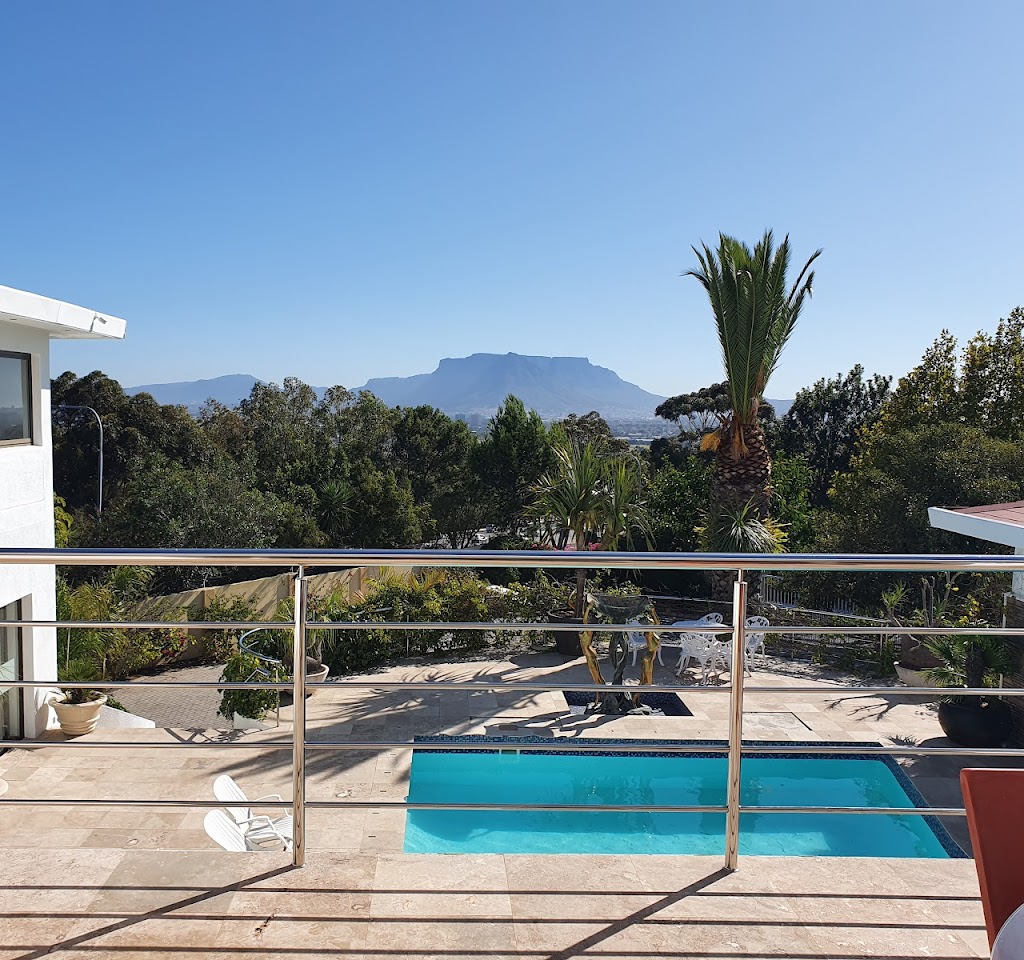
Planning your days around the city’s spectacular natural and cultural attractions helps you make the most of your time. In and around Cape Town you can expect a mix of natural scenery, historic districts, and culinary experiences. Iconic mountain viewpoints offer dramatic backdrops for morning walks or sunset photos. Table Mountain and its cableway (when operational) are perennial favourites, while nature reserves, beaches, and rugged coastal paths provide opportunities for walking, hiking, or simply relaxing by the sea. The Kirstenbosch National Botanical Garden is a renowned showcase of native flora, and day trips to nearby mountain passes or hillside estates offer further insight into the region’s landscapes.
For dining, Cape Town’s restaurant scene spans casual cafes, bistros, and refined eateries, often with a focus on seasonal produce and sea-bright flavours. In most districts you will find options to suit different budgets, whether you want a lively day-time café, a family-friendly restaurant, or a more intimate, wine-oriented dining room. Many guest houses and hotels will assist with reservations or provide recommendations based on your preferences and dietary needs. If you are exploring the winelands, plan a relaxed day to visit a few estates, enjoy tastings, and find a place to dine with views over vineyards and mountains.
Best time to visit Cape Town can depend on your priorities. Spring (September to November) and autumn (March to May) bring mild weather, manageable crowds, and comfortable harbour and Table Mountain conditions. Summer (December to February) offers lively coastal scenery and longer days, while winter (June to August) sees cooler temperatures and occasional rain; it remains a great time to enjoy museums, galleries, and city culture with potentially fewer visitors. Pack layers to adapt to changing conditions, and always have a light rain jacket for the mountain routes and coastal winds.
Practical tips for a smoother stay: stay hydrated, wear sun protection, and always check local safety advisories. Plan your day around times when attractions are less crowded, and use reliable transport options for longer day trips. If you are staying in a busy area, consider requesting a quiet room away from street noise. Finally, take the opportunity to explore multiple neighbourhoods, sample a range of restaurants, and enjoy Cape Town’s blend of natural beauty, history, and warm hospitality.