Cape Town Accommodation, Attractions and Planning Your Stay
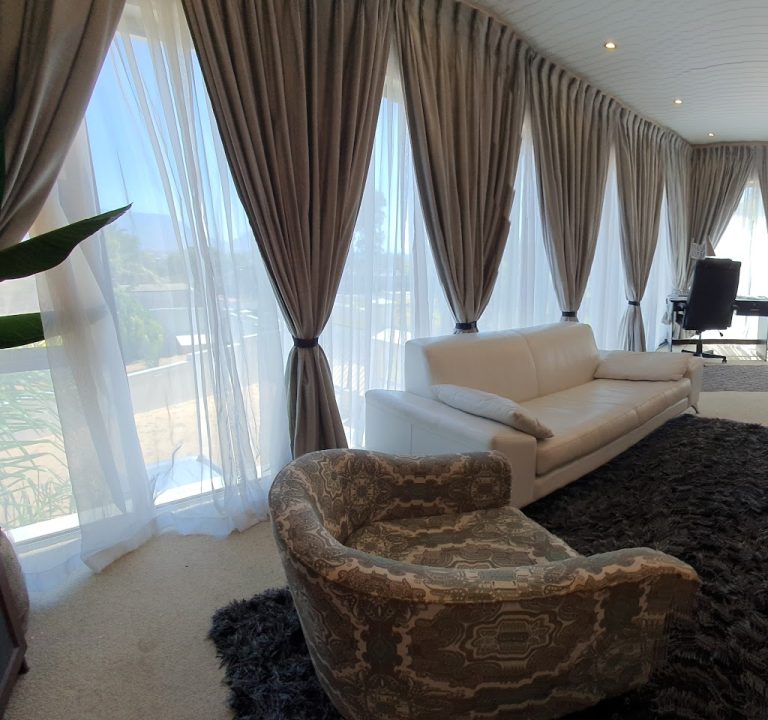
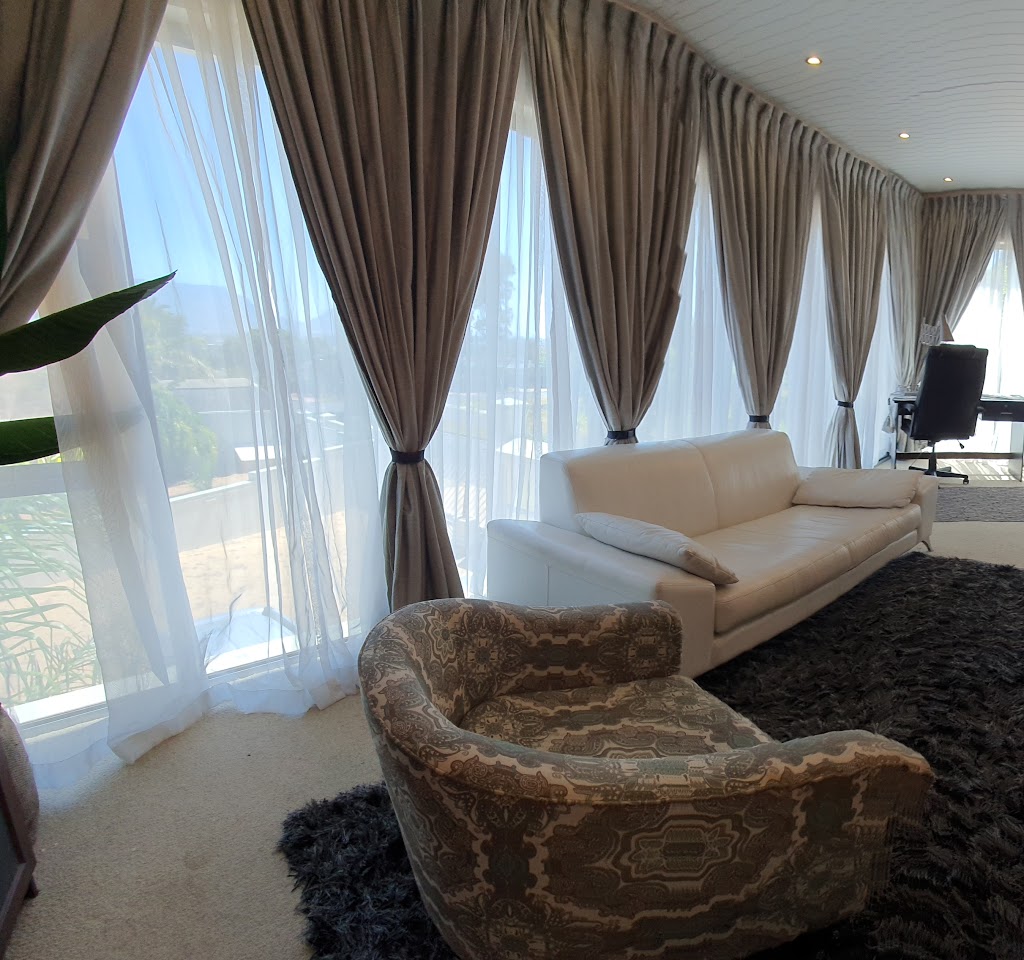
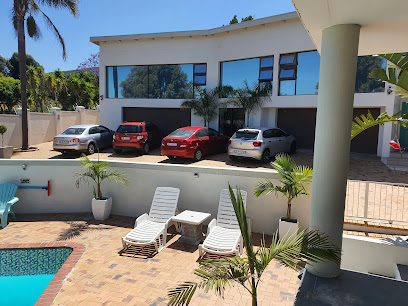
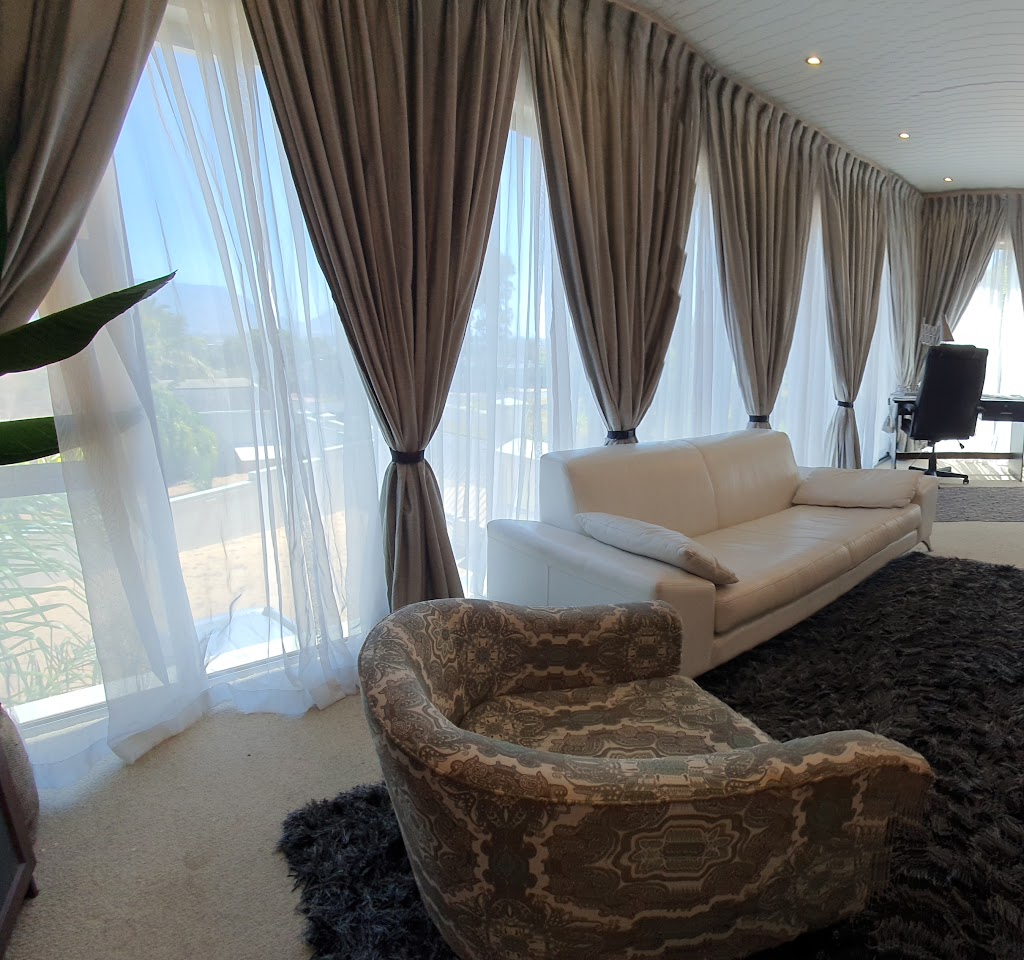
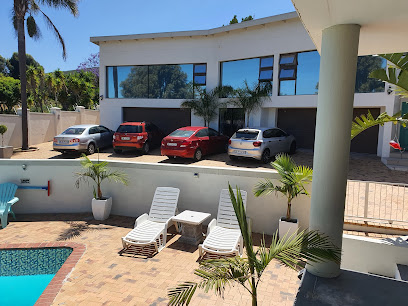
Arriving in Cape Town offers a blend of dramatic scenery, vibrant neighbourhoods and a coastline that seems to change colour with the hours. When selecting somewhere to stay, think about what you want to prioritise: easy access to the city centre and table-top views, proximity to beaches, or a quieter base from which to explore the Winelands and coastal towns. The Model House serves as a helpful reference point for the kind of stylish, traveller‑friendly stays that sit well beside Cape Town’s dramatic backdrop.
Areas to consider include the City Bowl and central foreshore for easy access to museums, markets and nightlife. The Atlantic Seaboard, including Sea Point and Camps Bay, offers scenic drives and beach access, with many boutique hotels and guesthouses that embody a seaside resort vibe. The Southern Suburbs, such as Constantia and Claremont, provide a more relaxed, leafy setting with easy access to wine estates and scenic drives up to Kirstenbosch. For a true neighbourhood experience, neighbourhoods like Bo-Kaap, Green Point, and Woodstock offer characterful stays close to cafés, markets and a growing restaurant scene. When booking, balance comfort and convenience with your planned itinerary and how much time you’ll spend in transit.
Typical amenities to look for include reliable Wi‑Fi, secure access, on‑site parking or easy public transport links, and clear cleaning or housekeeping routines. Self‑catering options can be especially practical if you are travelling with families or staying for an extended period. Air conditioning or efficient heating is worthwhile given Cape Town’s seasonal temperature swings, while safety features and 24‑hour reception or on‑site staff can make a stay smoother in unfamiliar locales. If you value sustainability, some properties highlight energy‑efficient practices, desalination considerations or bike‑friendly facilities. Consider whether you prefer a boutique guesthouse with a personal touch, a modern apartment in a CBD complex, or a hillside lodge with panoramic views.
Transport is a practical part of planning. The city’s MyCiTi bus network covers many routes between harbour, city and tourist hubs, while Uber and other ride‑hailing services are widely used. If you plan to venture beyond the city, a rental car or guided day tours can be convenient. Many accommodation providers offer airport transfers or can arrange flexible check‑in times, so it’s worth asking before arrival. A well‑placed stay could shave minutes from daily transit, leaving more time for sunrise viewpoints, markets, or a late‑afternoon coastal stroll.
Best time to visit Cape Town depends on what you want from your trip. Spring (September to November) brings mild weather and colour in the fynbos, while autumn (March to May) often offers stable, pleasant conditions with fewer crowds than peak summer. Winter (June to August) is cooler and wetter, which can be ideal for the Cape‑Dutch architectural charm and fewer visitors, though beach days are less likely. Early summer (December to February) is popular for weddings, events and longer days of sunshine, but it can be busy and prices may rise. Always check local forecasts and plan around wind‑currents that can influence coastal activities and scenic viewpoints.
When planning activities, mix iconic experiences with slower, local moments. In terms of sightseeing, you might allocate time for a cable car or scenic hike up Table Mountain, a visit to the V&A Waterfront for markets and architecture, and a drive along the Atlantic Seaboard for dramatic coastal vistas. For a taste of local culture, stroll historic neighbourhoods, browse craft markets, and sample regional fare at casual eateries that focus on fresh ingredients. Durbanville, Constantia and other nearby wine routes offer day trips with cellar doors and picnics in tranquil settings. If you prefer guided experiences, look for reputable operators that emphasise safety and small‑group itineraries, as well as environmentally responsible practices.
Practical tips to ensure a smoother stay:
- Book with flexible cancellation where possible, especially if your plans may change with the weather or events calendar.
- Check access times and whether the property has 24‑hour reception or a security desk, and whether self‑check‑in is available.
- Ask about parking options, especially if you’re staying in the City Bowl or coastal areas with limited street parking.
- Pack layers for temperature swings between morning coastal mists and warmer afternoons, plus a light rain jacket for sudden showers.
- Familiarise yourself with safe neighbourhoods and follow local guidance, particularly when exploring late‑night areas.
For further inspiration and practical planning, reputable tourism resources and local guides can offer up‑to‑date ideas on attractions, dining and events. You can start with official travel pages that showcase Cape Town’s neighbourhoods, coastline routes and experiences, and that provide links to accommodation options across a range of styles and budgets. If you are researching a stay centred around The Model House or similar characterful properties, look for recent guest reviews that mention comfort, accessibility and the accuracy of listings before booking. More information can be found at official and local tourism portals and through reputable travel publications that focus on Cape Town’s unique blend of mountains, sea and culture.
Whether you are planning a short city break or a longer discovery itinerary, Cape Town rewards thoughtful preparation with a variety of stays, diverse bites and memorable landscapes. With careful selection of area, amenities and transport arrangements, you can tailor a stay that feels like a comfortable base from which to explore the area’s natural beauty, historic districts and culinary offerings. For more ideas and inspiration, explore Cape Town’s official tourism site and related travel guides.