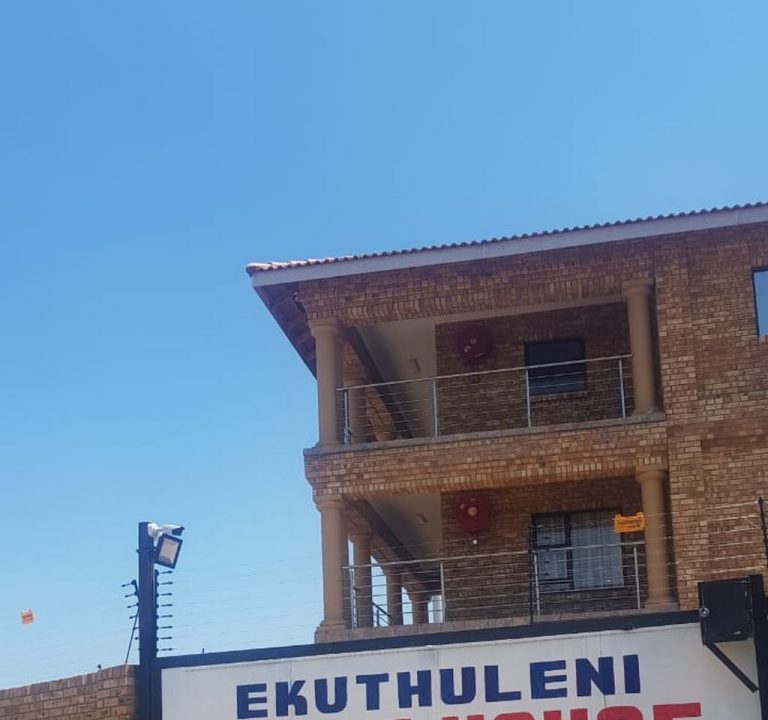
Johannesburg: Accommodation, attractions and practical planning for a memorable stay
Johannesburg, or Jo’burg as it is affectionately known by many visitors, offers a mix of modern high-rise hotels, boutique guest houses and budget-friendly stays that place you close to the city’s vibrant arts, culture and dining scene. When planning a stay, think about what kind of neighbourhood aligns with your interests and how you intend to move around the city. Areas such as Sandton, Rosebank, Melville, Maboneng, and Parkhurst each bring a distinct flavour, from business districts and leafy lanes to trendy eateries and galleries. For a more laid-back vibe with easy access to museums and markets, central Johannesburg and Newtown are also popular bases.
Booking considerations are often about location, safety and the character of the property. Look for guest houses or B&Bs that offer secure parking or easy access to reliable public transport, especially if you plan to use taxis or ride-hailing apps after dark. Check whether the listing notes 24‑hour reception, on-site parking, or secure access. If you prefer a self-catering option, many boutique apartments offer kitchen facilities alongside daily housekeeping. For a traveller-friendly stay, consider properties that provide compact workspaces, strong Wi‑Fi, and clear directions to major transport links.
Typical amenities you might encounter include breakfast service (ranging from continental to full hot courses), complimentary Wi‑Fi, laundry facilities, and curated recommendations from hosts or staff. Some guest houses place emphasis on personalised experiences, such as arranging guided tours to nearby attractions, markets, or neighbourhood walks. When comparing properties, balance price with inclusions that matter to you—free breakfast can save time in the morning, while a plunge pool or a rooftop terrace can elevate a stay in the city.
Transport in Johannesburg is diverse. The city is served by a network of taxis, app-based rides, and the Gautrain regional rapid rail that links central centres with OR Tambo International Airport and Pretoria. If you are staying in northern suburbs like Sandton or Rosebank, you’ll find you can reach many attractions quickly, but traffic can be heavy at peak times. Some accommodation providers offer airport transfers or can arrange trusted local guides for day trips. Consider purchasing a transport card or utilising app-based services for flexibility, especially if you plan to explore multiple neighbourhoods in a day.
Best time to visit Johannesburg depends on your priorities. The city enjoys mild springs and autumns with pleasant daytime temperatures, making these seasons ideal for outdoor exploration and strolling markets. Summer, from roughly November to March, brings showers and occasional thunderstorms, which can be refreshing but may disrupt outdoor plans. Winter is cool and dry, with crisp mornings and clear skies, often making it a good time to focus on indoor attractions such as museums, galleries and cosy dining rooms. Pack a light jacket for evenings and comfortable walking shoes for urban explorations.
When it comes to experiences, Johannesburg offers a wealth of affordable and engaging options beyond the hotel door. Cultural stops include world-class museums and galleries, historic townships that offer guided heritage tours, and vibrant street markets where you can sample regional foods and crafts. For a taste of daily life, consider a neighbourhood stroll in areas known for street art, independent bookshops, and cafés with craft roasts. Food lovers should look for dining districts that offer a range of eateries—from modern African-inspired menus to classic favourites—so you can sample different flavours without travelling far.
Practical tips to help you plan a smooth stay:
- Book in advance for peak periods or major events, and read recent guest reviews for current safety and service tips.
- Ask about included facilities such as breakfast, parking, and 24‑hour access to staff, which can save time and add peace of mind.
- Check accessibility options if you require ground-floor rooms or lifts, and confirm noise levels in busy city districts.
- Map out a rough itinerary by selecting a central base with convenient transport links to the attractions you want to visit.
- Carry a charged mobile device for maps and ride-hailing apps, and keep a small amount of local currency for markets or street vendors.
- Respect local safety advisories and stay aware of your surroundings, particularly when exploring nightlife districts after dark.
For those seeking a home-from-home atmosphere, consider guest houses or small boutique hotels that emphasise personal service. These properties often offer local insights, with hosts who can recommend off-the-beaten-track eateries, boutique markets, and artisan workshops. If you come across a property such as a guest house with a distinctive character—perhaps a cosy, homely setting in a leafy suburb or a design-led stay in a lively district—these can be particularly rewarding bases from which to experience Johannesburg’s energy. Always review recent guest feedback, and look for listings that provide a clear description of the surrounding neighbourhood so you can plan your days accordingly.
Ultimately, the right stay in Johannesburg balances comfort with accessibility to the city’s many attractions. With careful planning, a well-chosen base can become the anchor of a memorable trip, allowing you to enjoy both the city’s dynamic urban life and its quieter corners at your own pace. For further inspiration and planning, reputable travel sites and official tourism resources can offer practical up-to-date ideas and practical tips tailored to your travel dates and interests.