Johannesburg: where to stay and how to plan your visit in Gauteng
Johannesburg is a sprawling gateway to Gauteng with a mix of stylish boutique stays, friendly guest houses and dependable hotels that cater to every travel style. When planning a stay, consider the neighbourhoods that best suit your interests, your budget and the pace you want from your trip. Central districts offer easy access to museums, galleries and historic sites, while northern and northern-western suburbs are known for upmarket dining, shopping and leafy surrounds. A well‑located base can cut travel time and help you make the most of a short visit or a longer exploration of the region.
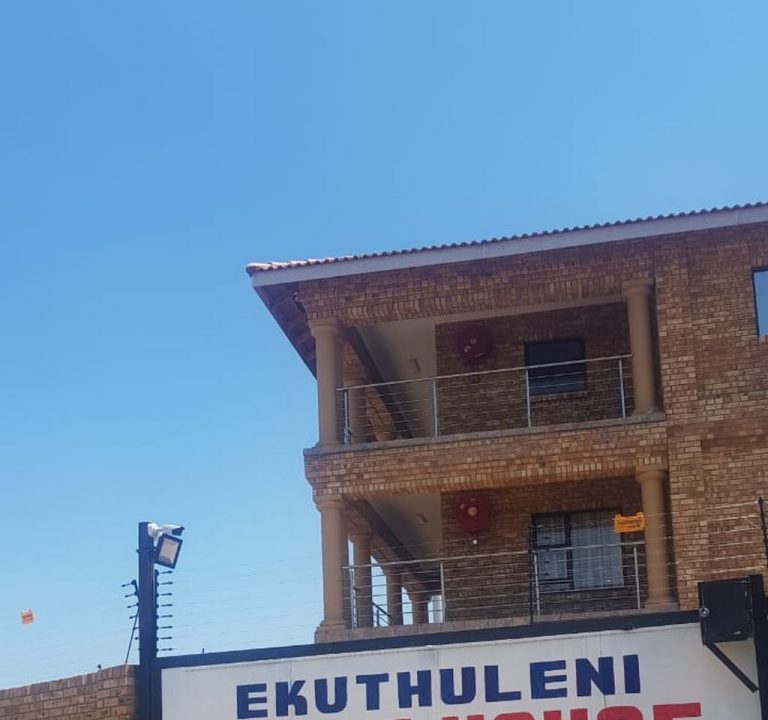
Accommodation in Johannesburg ranges from intimate guest houses to modern mid-market hotels and larger city-centre properties. Guest houses and B&Bs often provide a warmer, more human welcome and may include breakfast on site, helping you start the day with energy for city exploring. Do consider staying in a guest house such as Ekhaya Guesthouse CC or similar establishments, where hosts can offer local tips and a personal touch. When choosing where to stay, think about access to reliable transport, safety considerations and the kind of exploring you plan to do on foot or by car.
Important factors to look for when booking include location, security, and the availability of practical amenities. A comfortable bed, clean en-suite facilities, reliable Wi‑Fi, friendly staff, secure on-site parking or easy parking nearby, and a straightforward check-in process all contribute to a smooth stay. If you anticipate early starts for day trips, a property offering flexible check-in times and a hearty breakfast can be especially helpful. For longer visits, consider a kitchen or kitchenette facilities so you can prepare simple meals or snacks between outings.
Transport options are essential planning tools in Johannesburg. The city is large, and while ridesharing and car hire are common, a stay near reliable public transport can save time and reduce stress. The Gautrain provides fast connections between Johannesburg, Pretoria and O.R. Tambo International Airport, and many neighbourhoods have bus links or easy access to major arterials. If you prefer to explore on foot, choose a base within walking reach of cultural institutions, cafés, and markets, with nearby parking if you’re renting a car.
Best times to visit Johannesburg balance climate and crowds. The city experiences warm summers with thunderstorms and cooler, dry winters. Spring (September to November) and autumn (March to May) typically offer pleasant temperatures for outdoor sightseeing and city strolls. Summers can be lively with outdoor markets and events, but plan for possible rain and higher humidity. Pack layers, sun protection, and comfortable walking shoes to navigate a mix of modern streetscapes and historic quarters.
When planning an itinerary, consider pairing city highlights with day trips to attractions across Gauteng. Within Johannesburg, you can expect a mix of museums, art spaces, markets, and green spaces that reflect the city’s complex history and contemporary energy. In addition to cultural stops, many visitors enjoy exploring neighbourhoods known for design stores, street art, and locally sourced dining. A balanced plan might include a museum or gallery visit in the morning, a relaxed lunch in a cafe, followed by a stroll through a market or a park, and an evening meal at a restaurant offering regional flavours. If you prefer guided insights, look for accommodation that can arrange a day tour or provide maps and area recommendations.
Dining in Johannesburg is diverse, ranging from casual neighbourhood cafés to more refined regional eateries. In any stay, you can expect options that focus on fresh ingredients, global influences and bold South African flavours. Rather than relying on one headline restaurant, plan a small sequence of meals across different areas to discover the city’s culinary variety. Your hosts or front desk can offer suggestions aligned with your dietary preferences and timing, helping you discover pleasant stops without excessive planning.
Typical amenities often sought by travellers to Johannesburg include reliable Wi‑Fi, air conditioning or effective heating, a decent breakfast, secure parking or easy access to transportation, and helpful staff who can share local tips. A comfortable desk or workspace can also be useful for guests who need to catch up on emails or plan day trips. For longer stays, consider accommodation that offers laundry facilities or a nearby laundromat, and check whether there are on-site communal spaces to socialise or relax after a day of exploring.
- Location and access to transport (walking distance to sights or easy car/taxi options)
- Security and safe parking where needed
- Quality bedding and clean, well-maintained facilities
- Readable reviews and transparent pricing with clear cancellation terms
- On-site or nearby dining options and breakfast service
For further planning, you can consult official tourism resources to get a sense of seasonal events, markets and cultural programmes across Gauteng and Johannesburg specifically. Practical planning tips include allowing extra time for traffic on major routes, packing for variable weather, and having flexible plans in case you discover a new area you want to explore. In the longer run, staying in a well-connected district can enhance your experience by reducing daily transit time and increasing opportunities for spontaneous dining and street-watching.
To start mapping your stay, consider exploring accommodation pages that highlight family-friendly options, business-friendly facilities, or boutique experiences. You can also browse official tourism portals for practical tips, walking routes and suggested day trips that suit your pace. Whether you aim to immerse yourself in art and history, shop the city’s markets, or simply enjoy a comfortable base from which to discover Gauteng, Johannesburg offers a range of stays that can be matched to a thoughtful, well-planned itinerary. For broader planning, convenient links to regional tourism information can be found on national and provincial tourism sites, as well as the city’s official pages.