Johannesburg: accommodation planning, neighbourhoods and what to experience
Johannesburg, or Jo’burg as many locals say, blends a dynamic urban vibe with wide avenues, cultural landmarks and a growing range of guest houses, lodges and boutique stays. When planning a stay in Gauteng’s biggest city, think about your priorities: a lively neighbourhood with easy access to sights, a quieter retreat from the city buzz, or a central base close to transport links for day trips. A well-chosen base can transform a short break into an efficient, enjoyable visit, while a longer stay benefits from a little flexibility and a mix of amenities.
Areas to consider include central districts that buzz with cafés and galleries, up-and-coming neighbourhoods with a creative edge, and leafy suburbs with a calmer atmosphere and convenient shopping. For many visitors, a mix of locations works well: a comfortable base in a central area for daytime exploring, plus a separate stay in a quieter neighbourhood for relaxation. When selecting accommodation, look for ground-floor access or a lift if travel companions include children or mobility considerations, secure parking if you have a rental car, and a guest‑house or hotel whose reception is available for late check‑ins or early check‑outs. If you plan to self‑cater, a well‑equipped kitchenette or a shared lounge can be particularly convenient.
Typical amenities to expect in Johannesburg’s guest houses and hotels include comfortable rooms with private or en‑suite bathrooms, daily housekeeping options, and guest lounges. In modern properties you may find free Wi‑Fi, self‑service tea and coffee facilities, and an on‑site dining option or breakfast service. If you rely on public transport or rideshares, ask about proximity to transport hubs or major routes, and whether the property offers a shuttle service or guidance on local transfer options. For longer stays, ask about laundry facilities or nearby laundromats, as well as access to quiet workspaces if you need to catch up on emails during the day.
Planning a stay in Johannesburg often means balancing travel time with experiences. The city’s transport options include reliable rail links to surrounding areas and car hire, but peak traffic can affect journeys. A practical approach is to map out a few “must‑see” sights and estimate travel times from your chosen base, then design a flexible itinerary that allows for indoor or shaded breaks during the hottest part of the day in summer. If you plan to visit places outside the central core, consider staying a couple of nights in a different suburb to reduce daily commuting. Rideshare apps and reputable taxi services are common, and the Gautrain offers rapid connections to some regional destinations, which can be a smart component of a two‑centre stay.
The best time to visit Johannesburg depends on preference. Spring and autumn bring mild days and fresh evenings, which are ideal for city walks and outdoor markets. Summers can be warm to hot and humid with occasional showers, while winters are generally cool and dry. If you enjoy vibrant street life, markets and outdoor performances, you’ll likely relish a stay during the milder months when street patios and venues stay lively well into the evening. Pack layers for cool evenings, and a light rain jacket if you’re visiting in the rainy season.
Within a reasonable radius of many central basing points are a variety of attractions and experiences, ranging from cultural institutions and exhibitions to expansive parks and historic sites. In general terms, visitors can look forward to showcases that reflect the city’s heritage, creativity, and dynamics as a modern metropolis. For dining, Johannesburg offers a spectrum of options from casual bistros to contemporary restaurants with regional and international influences. When choosing eateries, consider proximity to your accommodation and the atmosphere you prefer—whether you want a quick, casual meal or a relaxed sit‑down experience after a day exploring the city. If you fancy a taste of local life, seek out areas known for diverse cuisines and lively markets, but always verify hours and booking requirements in advance, as these can vary seasonally.
Practical tips for staying in Johannesburg:
- Book accommodation with clear access to parking or reliable alternative transport, and confirm reception hours for check‑in arrangements.
- Ask about security features, especially for central or busy areas, and choose properties with good on‑site security practices.
- Confirm wi‑fi quality if you plan to work or stream; a dedicated work area is helpful for longer visits.
- Check whether breakfast is included or if you might prefer to explore nearby cafés for a morning start.
- Consider a two‑centre plan to experience both a lively, central vibe and a quieter suburb stay for rest and relaxation.
- Plan travel times to key districts and concerts or exhibitions, and be mindful of peak traffic windows.
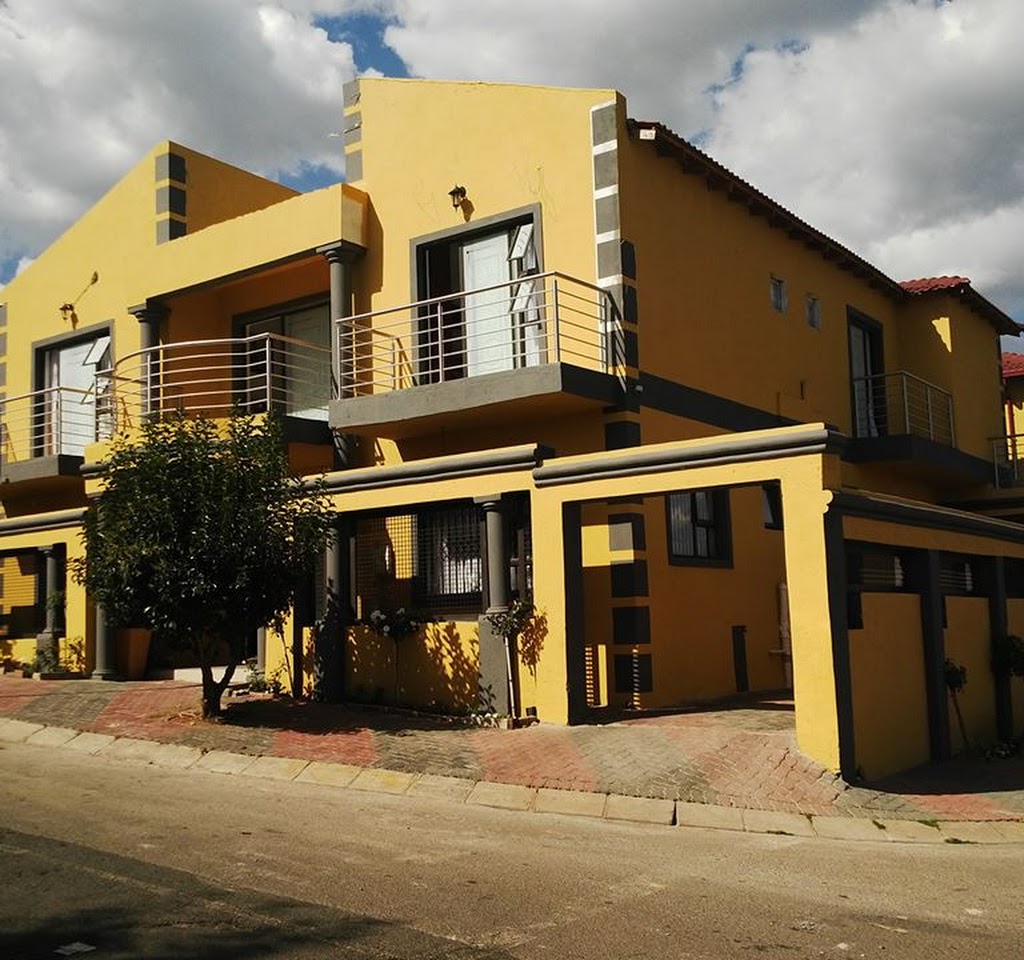
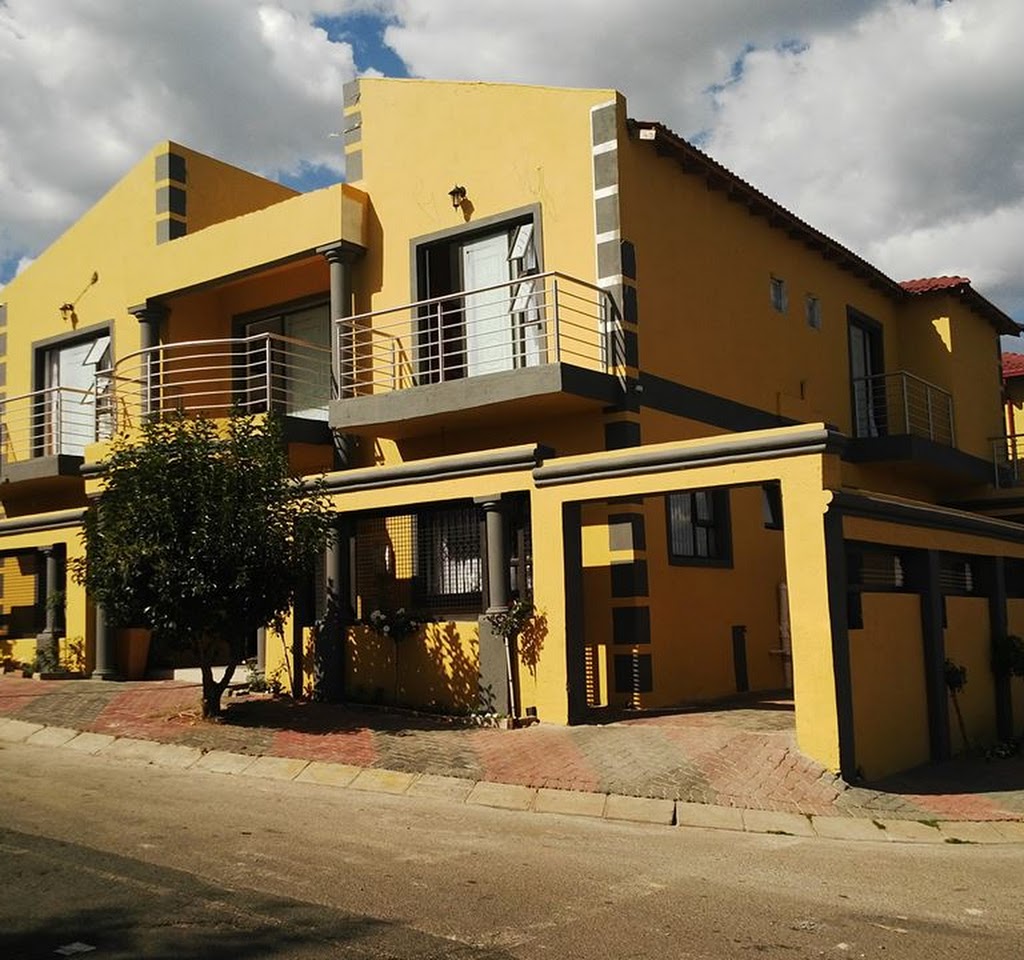
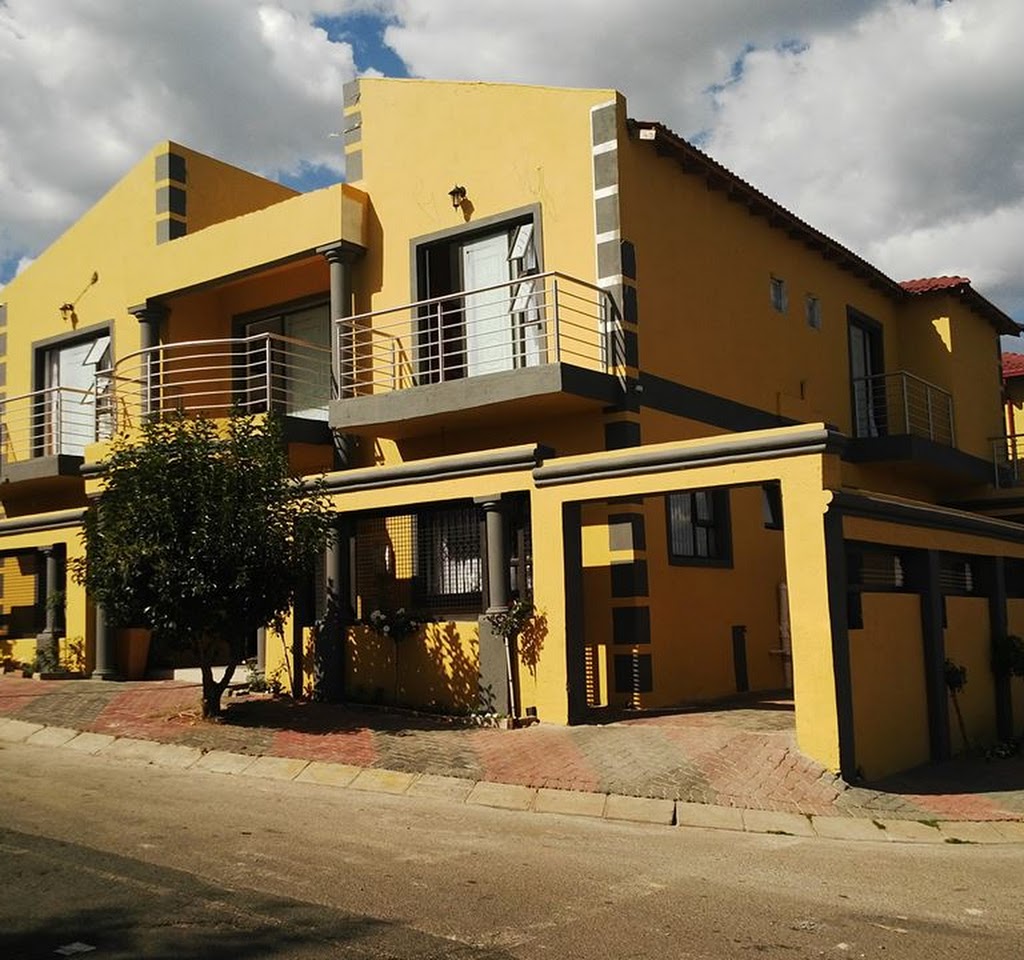
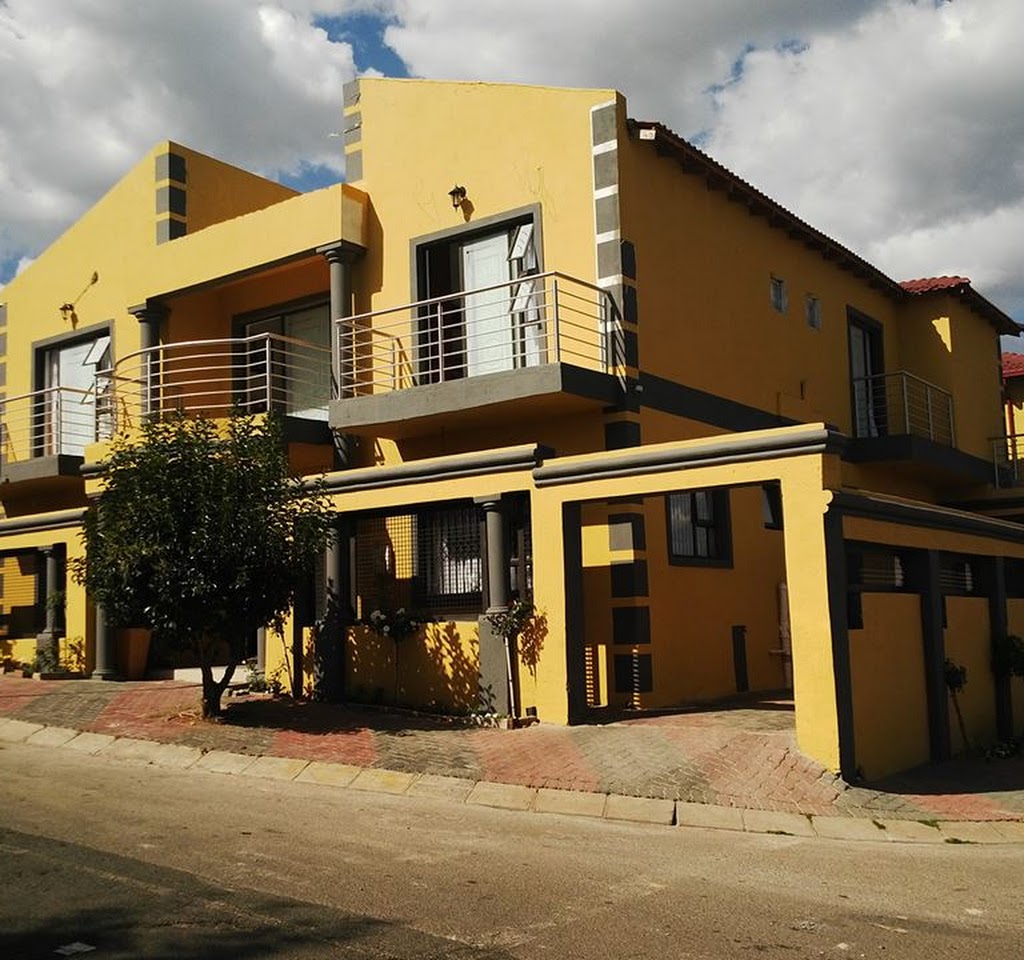
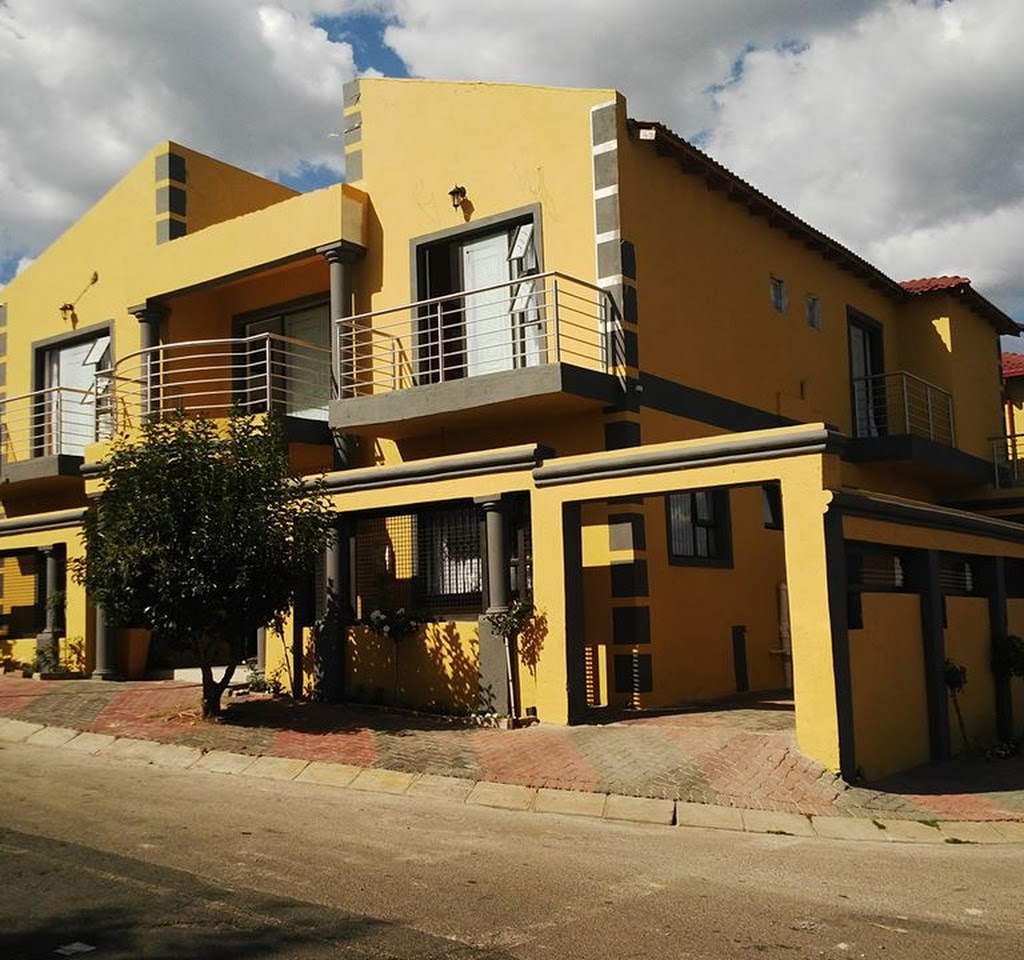
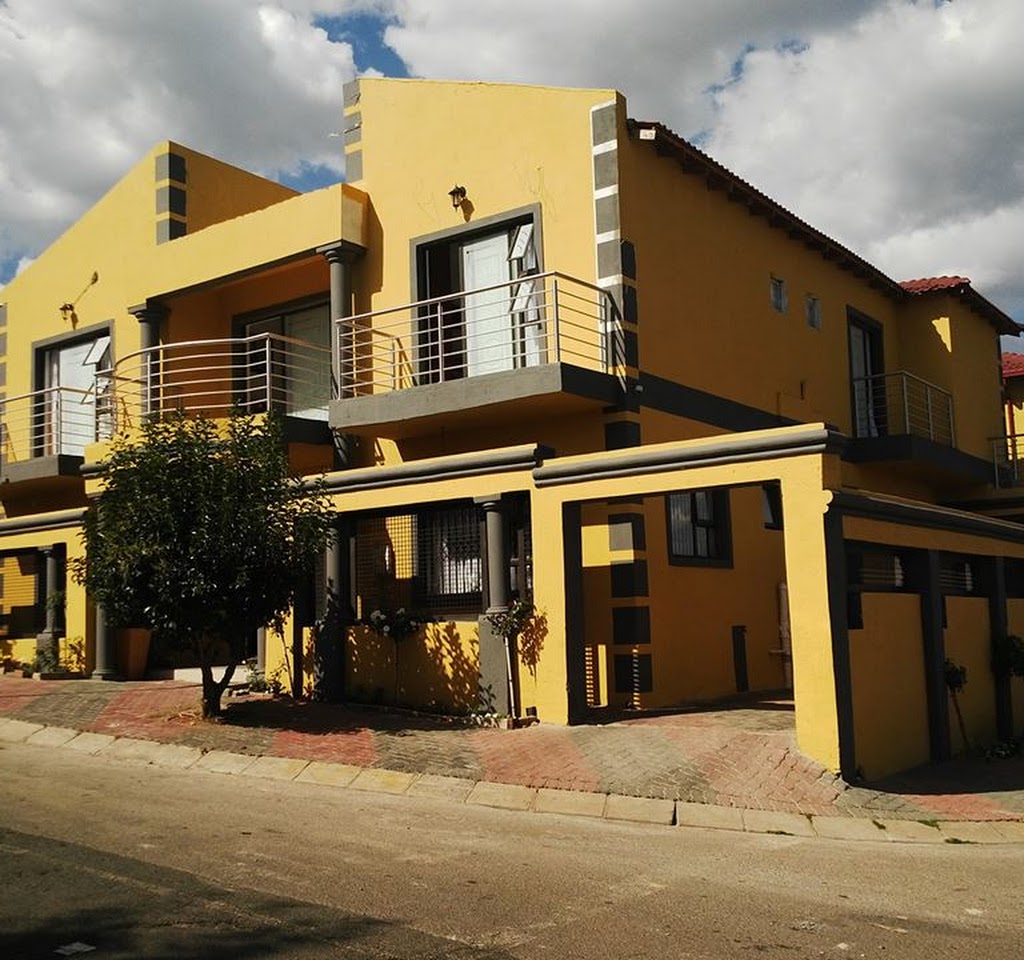
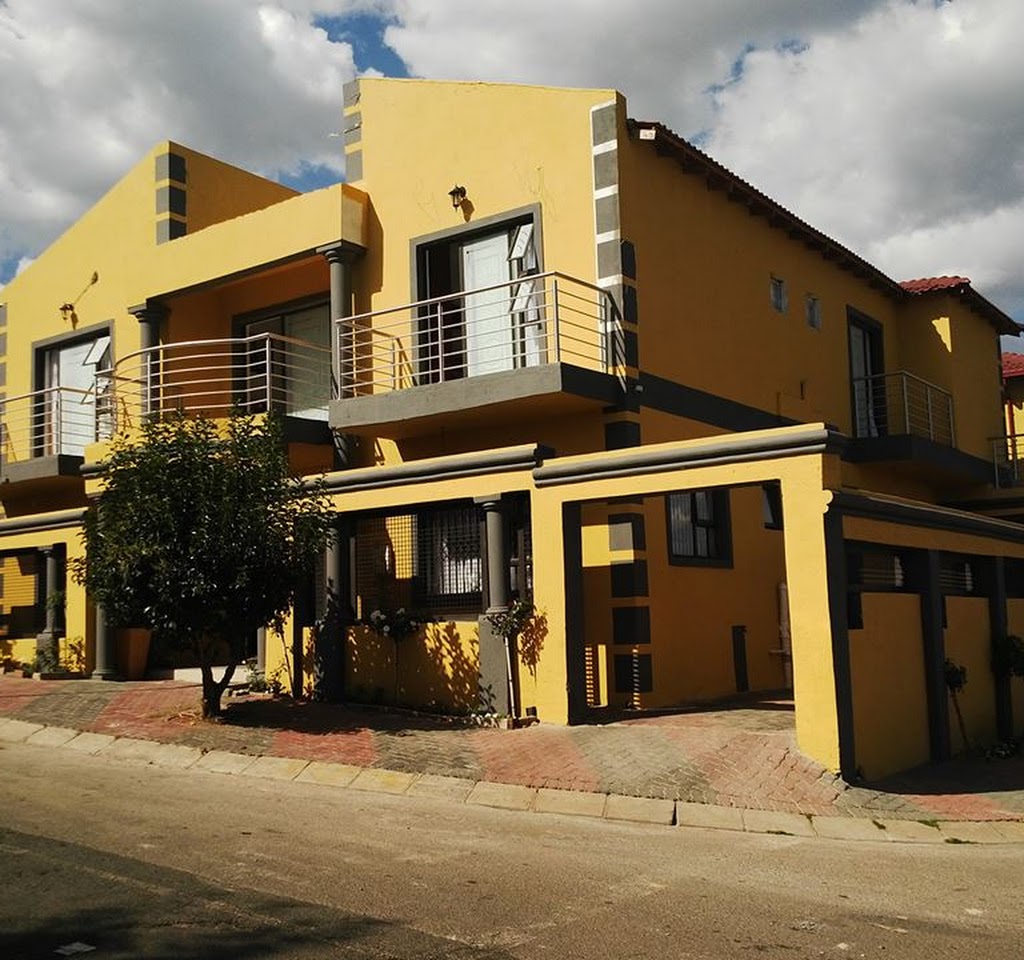
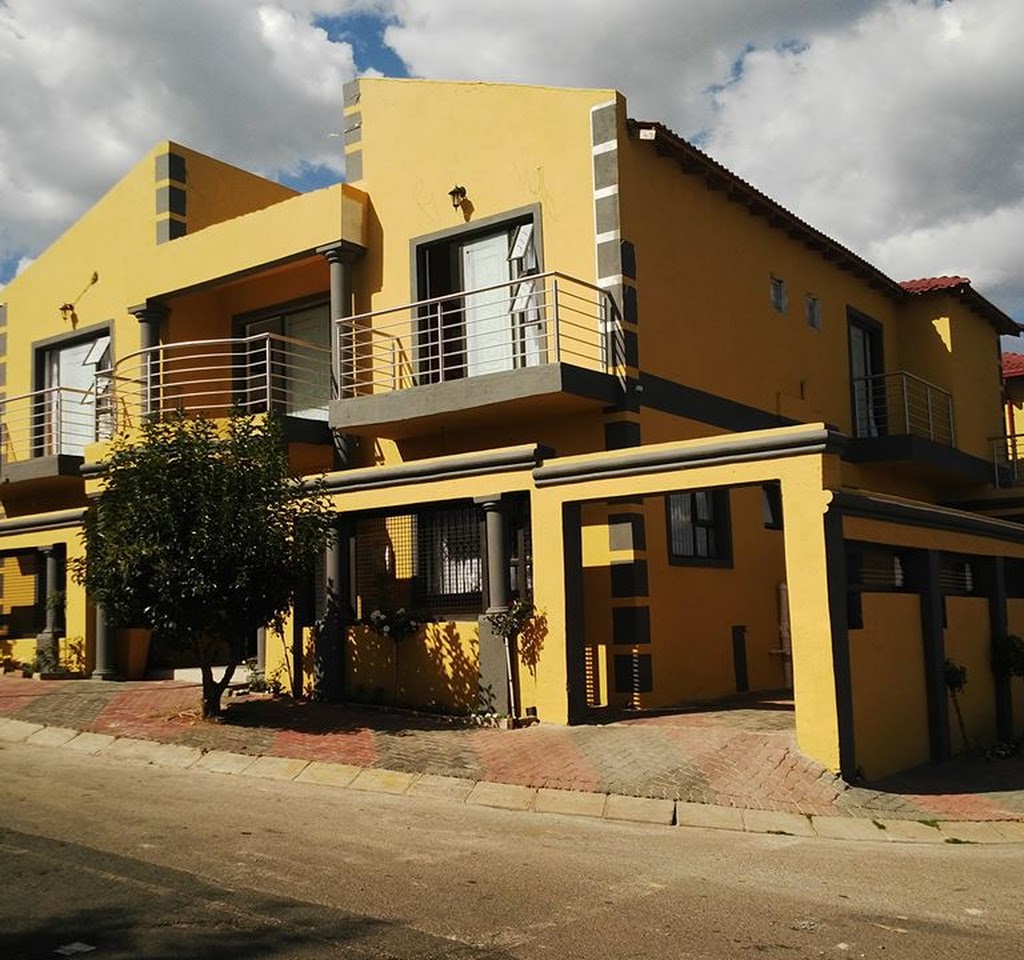
As you refine your itinerary, a guest house such as a mid‑sized property in a well‑located area can offer a personal touch and practical guidance for local experiences. A thoughtfully chosen stay, coupled with flexible day plans and a balanced mix of sights, eateries and downtime, helps you make the most of Johannesburg’s energy while allowing space to recharge between explorations. For ideas on where to stay and how to structure your visit, you can discover a range of options and practical tips on reputable hotel and holiday rental sites.