Accommodation and experiences in Johannesburg, Gauteng: planning a memorable stay
Johannesburg, often simply called Jo’burg or Jozi, offers a dynamic mix of neighbourhoods, architectural character, and a wide range of places to stay. From intimate guest houses to boutique hotels and modern apartments, the city provides options to suit different budgets and travel styles. When planning a stay, consider what you want to see and how you prefer to get around, since convenience and neighbourhood character can significantly shape the experience.
Key areas to consider include the leafy northern suburbs, which tend to be safer and well connected for business travellers, and the city centre and nearby districts that blend culture, nightlife and design shops. For a more relaxed vibe and walkability, you might enjoy boutique guest houses and inns in areas that are known for dining and arts scenes, such as Melville, Maboneng and Braamfontein. If you are visiting for business or shopping, Sandton and Rosebank offer a higher concentration of contemporary hotels and serviced accommodation with easy access to major routes and the Gautrain.
When choosing accommodation, look for a few essential features. A comfortable bed and clean spaces are a given, but also consider the provision of reliable Wi‑Fi, secure on‑site parking if you’re travelling by car, and generous desayuno or self‑catering options if you prefer mornings at your own pace. Guest houses and boutique stays often include characterful touches such as personalised service, curated decor, and communal spaces that are ideal for meeting other travellers. If you plan day trips or early departures for sightseeing, request flexible breakfast arrangements or a light early‑bird option.
Transport in Johannesburg is a practical consideration. The city is spread out, so proximity to major arterials, hotels with shuttle arrangements, or access to rail and ride‑hailing services can save time. The Gautrain offers fast connections between Johannesburg and Pretoria and links to the airport via convenient routes, though it is not always the most convenient option for every neighbourhood. In many areas, Uber, Bolt or other ride‑hailing apps are reliable for short hops and late returns. If you’re staying in a more central or pedestrian‑friendly district, you may enjoy walking to cafés, markets and galleries, especially in areas with a strong street‑life culture.
Typical amenities to look for include guest‑friendly spaces such as a cosy lounge, a well‑equipped kitchen or kitchenette, and clear information about local transport options and neighbourhood highlights. A guest house in a lively district might offer curated local recommendations, a small library or map station, and optional activities such as guided walks, food trails or visits to nearby markets. In many boutique properties, owners are keen to share insider tips on micro‑areas—where to find a great coffee, an artisan bakery, or a hidden courtyard restaurant.
Best time to visit Johannesburg depends on personal preference. The city enjoys a temperate climate, with warm summers and cooler, drier winters. Summer (roughly November to February) brings afternoon thundershowers but also lush greenery and long evenings for outdoor dining. Winter (June to August) can be crisp and sunny, ideal for exploring museums, galleries and the city’s architectural heritage. If you want to combine city sightseeing with nearby natural experiences, consider a shorter stay during shoulder seasons, when attractions are less crowded and the weather remains pleasant.
Nearby attractions span history, culture and urban life. You can explore world‑class museums that chronicle South Africa’s past, visit historic sites tied to the country’s liberation movement, and wander through vibrant districts where street art and design studios mix with cafés and restaurants. The city is also a gateway to the broader Gauteng province, where day trips can reveal scenic locations and fascinating towns. In addition to iconic landmarks, many visitors enjoy a stroll through markets, art galleries, and small theatres that showcase local talent. When planning, balance must‑see sites with opportunities to relax in a courtyard garden, a boutique coffee shop, or a rooftop lounge with city views.
In terms of dining, Johannesburg’s restaurant scene reflects its multicultural character. Expect a spectrum from modern African cuisine to international flavours, with many venues offering a relaxed, neighbourhood‑bistro ambience. For stays based in guest houses or boutique inns, ask your hosts for recommendations on where to experience a tasting menu, a cosy supper club, or a casual neighbourhood eatery that captures the area’s flavour. Always consider safety and hours of operation when planning evening meals away from your accommodation, and have a plan for return journeys after dark, especially in less busy districts.
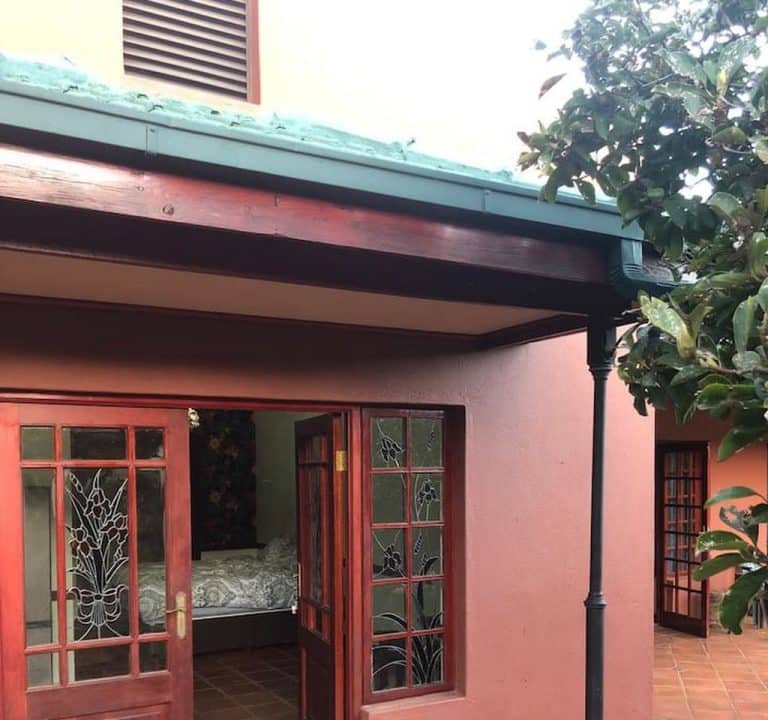
An example of a boutique guest house in a vibrant area is The Wendy House – Melville, a property that captures the local character of Melville’s dining and arts scene. Staying in a small guest house like this can offer a more intimate experience, with the benefit of personalised tips from hosts who know the neighbourhood well.
Practical planning tips for a smooth trip:
- Research the neighbourhoods that match your interests (arts, dining, shopping, or quiet residential areas) and factor travel times between them into your schedule.
- Check for reliable Wi‑Fi, safe parking, and clear information about local transport options on booking platforms.
- Ask hosts or property managers about their recommended walking routes, local markets, and best times to visit popular sights to avoid crowds.
- Pack adaptors and a light layer for variable weather; plan indoor alternatives for rainy days.
- Book a stay with flexible cancellation terms where possible, in case your plans shift.
Johannesburg rewards curious travellers who blend city exploration with relaxed downtime. With thoughtful choices about where you base yourself, how you move around, and which neighbourhoods you prioritise, your stay can feel both efficient and richly local. For more ideas and inspiration, visit official tourism pages or reputable travel guides to tailor your itinerary to your interests and pace.