Accommodation and Experiences in Johannesburg, Gauteng: A Practical Guide for Travellers
Johannesburg blends a dynamic urban pulse with rich history and diverse neighbourhoods, making it a compelling base for travellers exploring Gauteng. When planning a stay, consider your priorities: a tranquil bed and breakfast in a leafy suburb, a modern hotel close to the city centre, or a guesthouse with easy access to the fringe areas that showcase South Africa’s cultural renaissance. The right choice depends on your pace, interest in culture, and how you plan to move around.
Areas to consider include the northern suburbs, which often offer residential calm, easy parking, and convenient access to highways. The central business district provides energetic dining and nightlife, plus heritage architecture and museums within walkable distance. The northern and eastern suburbs typically offer a mix of boutique guesthouses and contemporary hotels, balanced with leafy streets, shopping centres, and coffee scenes. For a more artistic atmosphere, districts such as those around university precincts or student villages can deliver affordable stays with a neighbourhood vibe. If you prefer a traditional B&B experience, look for properties with characterful architecture, patient hosts, and onsite dining that showcases local flavours.
What to look for when booking a stay:
- Type and vibe: Bed and breakfast, boutique hotel, or guesthouse all offer different levels of intimacy and service. Read guest reviews to gauge consistency in housekeeping, breakfast quality, and host responsiveness.
- Location and access: Consider how close you are to your planned activities and whether public transport or parking is available. In Johannesburg, some areas are well connected by ride-hailing services, while others may rely more on car use.
- Amenities: A reliable Wi‑Fi connection, secure parking, en-suite bathrooms, and a daily breakfast can simplify mornings. If you need space to work, look for desks or quiet zones.
- Security: Prioritise properties with good lighting, secure entrances, and secure on-site parking or safe storage for luggage and valuables.
- Transport links: Proximity to major roads, car hire services, or convenient access to taxi and rideshare networks will influence how you move around the city and beyond.
Typical amenities you might encounter include private or shared lounges, guest kitchens or tea-and-coffee facilities, air conditioning or heating, and linen and towel provision. In many B&Bs and guesthouses, hosts offer personalised recommendations for dining, markets, and local attractions, which can be a comfortable beginning to each day’s adventures. If you are staying in a distance from central hubs, enquire about shuttle services or access to public transport routes to limit travel time.
Transport and getting around is an important planning factor. Johannesburg’s road network is extensive, but traffic can be heavy at peak times. A stay near major arteries or public transport hubs can save time, especially if you plan to visit multiple sights in a day. For those who prefer a car-free approach, choose areas with easy access to ride-hailing services, or stay in zones with walkable dining and entertainment options. If you enjoy day trips, many suburban towns and parklands are reachable within a short drive or organised tour, often showcasing wildlife reserves, art districts, or historical sites.
The best time to visit Johannesburg depends on what you want from your trip. The city enjoys mild winters and warm summers. Spring and autumn (September–November and March–May) are pleasant for outdoor exploration and city walks. Summer brings greener parks and occasional showers, while winter mornings can be crisp and bright—great for photography and museum visits between outdoor excursions. If you’re planning events, festivals, or outdoor markets, it’s worth checking the local calendar in advance, as these can enrich a stay with live music, food stalls, and crafts.
When it comes to attractions and dining, think breadth over blockbuster claims. The city offers world-class museums and galleries, heritage sites, green spaces, and vibrant dining scenes that emphasise South African flavours and international cuisine. Rather than focusing on a single marquee attraction, plan a mix of experiences: a morning museum or gallery visit, an afternoon stroll in a park or market, and an evening meal at a neighbourhood restaurant that reflects the area you’re staying in. For a balanced itinerary, pair cultural insights with relaxed times in coffee shops, bookshops, and local cafes that reflect Johannesburg’s diverse communities.
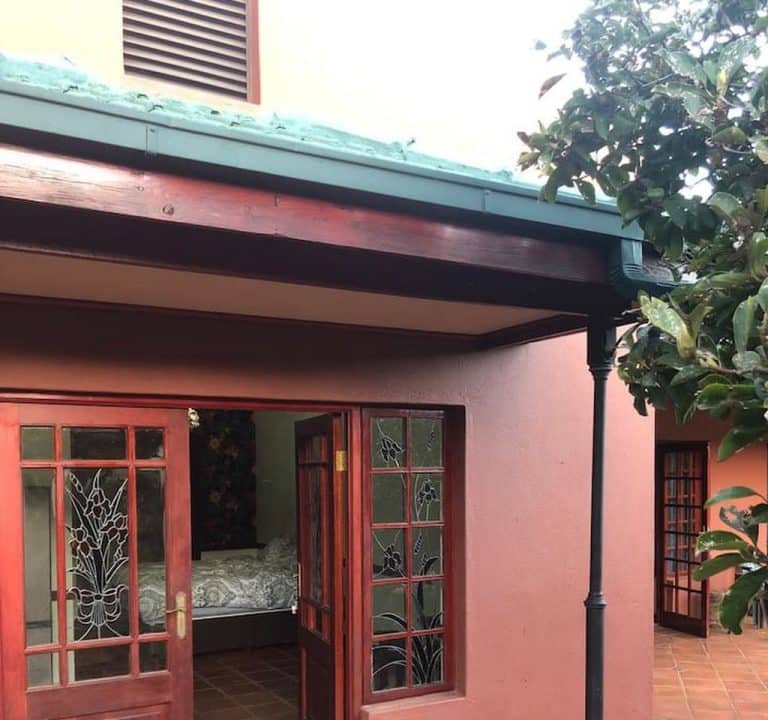
Examples of accommodation that can anchor a stay include boutique B&Bs and guesthouses housed in period or contemporary buildings. A well-situated option such as Melville Arch St Swithins Bed and Breakfast can offer a walkable connection to cafés, local boutiques, and leafy streets, alongside a personalised stay with homemade breakfasts or host recommendations. Regardless of the specific property, the aim is to choose a comfortable, secure, and well-connected base from which to explore the city and its surroundings.
Practical tips for a smooth stay:
- Request a map or neighbourhood guide from your host, highlighting safe walking routes and nearby conveniences.
- Pack comfortable shoes for walking and versatile layers for varying temperatures.
- Check opening hours for museums, markets, and attractions, as schedules can vary seasonally.
- Pre-book airport transfers or rides if you anticipate late arrivals or heavy traffic.
- Respect local customs and engage with hosts or staff to discover off-the-beaten-path experiences and dining options.
Johannesburg rewards curious travellers with a rich tapestry of neighbourhoods, flavours, and architecture. By choosing a well-situated and well-reviewed accommodation, planning with transport in mind, and keeping expectations flexible, you can craft a memorable stay that balances comfort with authentic discovery across Gauteng.