Johannesburg: Where to stay and how to plan your visit in Gauteng
Johannesburg, or Jo’burg as many locals affectionately call it, offers a dynamic mix of neighbourhoods, modern hotels, cosy bed and breakfasts, and stylish guesthouses. Whether you are exploring business districts, heritage sights, or the vibrant street-life of inner-city precincts, planning your stay around the right area makes a big difference. From stylish Melville boutiques to sleek Sandton high-rise stays and characterful Braamfontein lodgings, travellers can tailor an itinerary to suit pace, budget and interests.
When choosing accommodation, consider how you will move around. Johannesburg is well served by airports, highways, and public transport, but the most convenient option will depend on your plans. If you expect to spend long days centred on the city’s museums and markets, a location in the northern suburbs such as Sandton or Rosebank offers easy access to shops, dining and business hubs, with reliable hotel chains and modern apartments. For a more artistic or bohemian flavour, the central core around Melville, Braamfontein, and Maboneng provides boutique stays, cafes, and a walkable atmosphere, though some streets can be more lively at night. Suburban alternatives include Greenside, Linden, and nearby Oakdene for a quieter base with easy access to nature reserves and markets. For a window on Soweto and South Africa’s broader history, consider a stay in central Soweto or the southern suburbs to reduce travel time to key heritage sites.
Typical amenities to look for include free Wi‑Fi, a secure parking option if you are driving, a continental or full-English breakfast, and 24-hour reception or on-site staff who can assist with planning day trips. In boutique B&Bs and guesthouses, expect personal touches such as locally sourced breakfast options, guided walks, and a sense of neighbourhood character. In more contemporary hotels, you may find on-site dining, fitness facilities, business centres, and conference rooms. If you are travelling with family or a group, look for apartment-style or interconnecting room options with self-catering facilities or a kitchenette to maximise convenience and value.
Transport within Johannesburg is straightforward but varies by area. Consider proximity to a Gautrain station if you anticipate trips to Pretoria or the airport. For in-city exploration, Uber, metered taxis, and ride-hailing apps are commonly used and generally reliable. Some areas are best navigated on foot for short hops between cafés, galleries, and markets, while others will benefit from a car or organised tours. If you plan to visit major museums, parks, and historical sites, check whether your accommodation offers a shuttle service or can arrange a day trip with a trusted operator.
The best time to visit Johannesburg spans from mild autumns in March to May and springs in September to November. Summers (roughly November to February) can be warm and wetter, with occasional thunderstorms; winters are cooler, with pleasant daytime temperatures but chilly evenings. If you are sensitive to heat, consider shoulder seasons for walking tours and outdoor activities. For hotel rates, weekends in central areas and peak travel periods in South Africa can be busier, so booking ahead, especially for the Sunbury Bed & Breakfast – Melville Accommodation or similar properties, helps secure preferred rooms and better value. Always check cancellation policies and whether breakfast or parking is included in the rate.
Attractions and experiences in Johannesburg cover heritage, culture, and city life. You might plan a morning at a major history museum or cultural centre, followed by exploring a neighbourhood precinct known for street art, markets, and local eateries. For outdoor enjoyment, city parks, botanical gardens, or nearby nature reserves offer heartening respites. Evening options range from casual eateries and modern bistros to fine dining in cosmopolitan districts. When planning meals, you can expect a spectrum of options—from traditional South African flavours to contemporary international cuisines. It is worth reserving a table for popular spots in busy districts, particularly on weekends or during festivals.
Practical tips to help you get the most from your stay:
- Research a few central areas in advance to match your interests—arts and nightlife, business amenities, or family-friendly environments.
- Ask your host or hotel reception for a local transit or walking route to key sights to avoid backtracking.
- Pack adaptable clothing for Gauteng’s variable weather and choose accommodation with heating or cooling as appropriate.
- Verify what breakfast and meals are included, and whether there are kitchen facilities for self‑catering if needed.
- Take advantage of guided walks or curated local experiences offered by approved operators to gain context and safe access to areas you plan to visit.
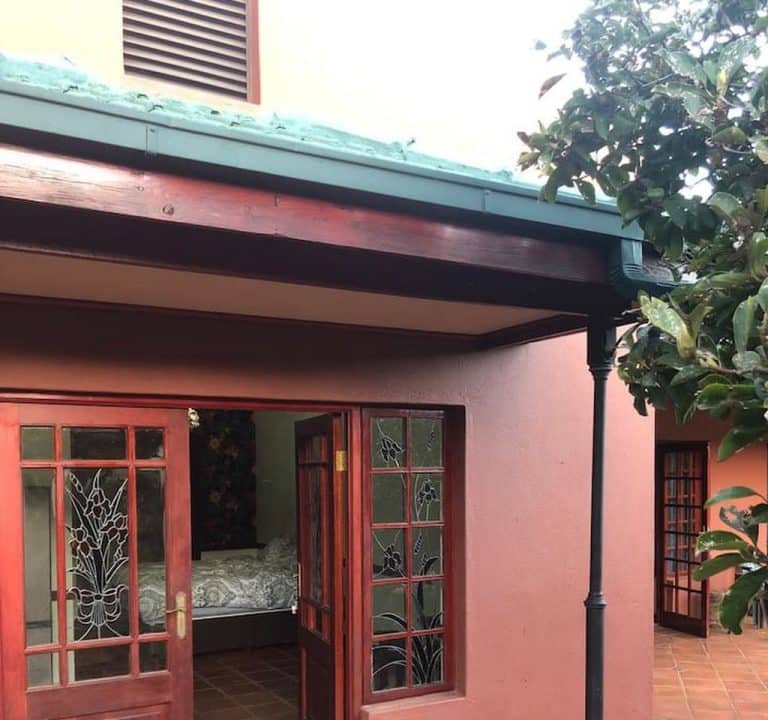
A practical example of a stay with a local flavour is Sunbury Bed & Breakfast – Melville Accommodation. Nestled in a vibrant residential district, it offers a comfortable base close to cafés, bistros, and easy transport links into central Johannesburg. The property’s website provides details on rooms, breakfast options, and local tips, making it useful as a reference point when planning a stay in Jo’burg. When booking, compare amenities, location, and handling of guest luggage or late arrivals to ensure your schedule runs smoothly.
In summary, Johannesburg pairs dynamic urban life with rich history and approachable touring. By choosing a neighbourhood that aligns with your interests, understanding transport options, and selecting properties with the right mix of amenities, you can craft a memorable stay that balances comfort, convenience, and discovery. Whether you prefer a cosy B&B in a lively inner-city street or a polished hotel in a modern district, Johannesburg welcomes visitors with warmth and a sense of endless possibility.