Staying in Wellington, Western Cape: where to stay, what to do, and practical planning tips
Nestled in the heart of the Cape Winelands, Wellington offers a relaxed blend of rural charm and convenient access to the broader Cape Town region. Whether you are seeking a quiet farmstay, a cosy guesthouse, or a stylish boutique hotel, Wellington is well placed for exploring rolling vineyards, rugged mountains, and a landscape that invites long leisurely days. Planning a stay here means balancing comfort with easy access to nature, food, and wine experiences that define the Western Cape.
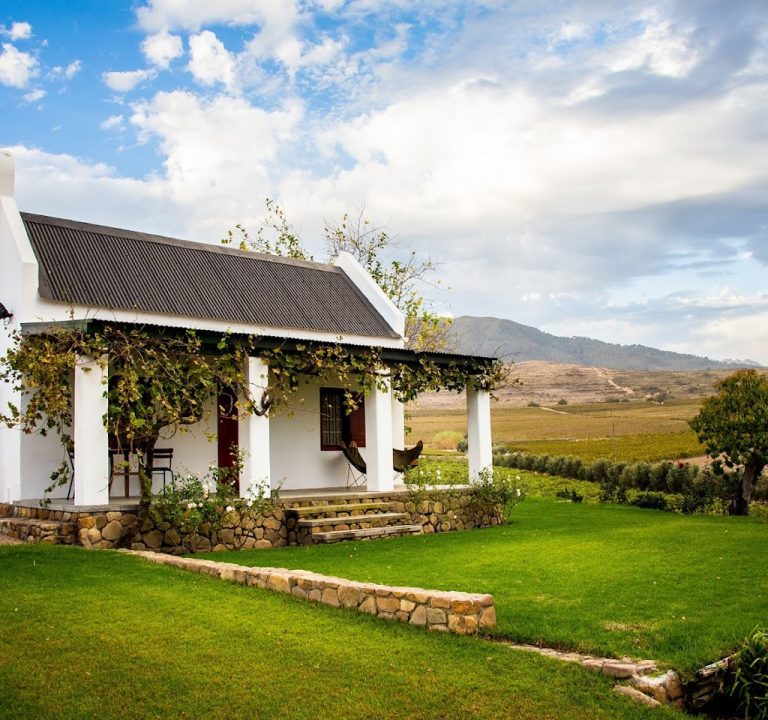
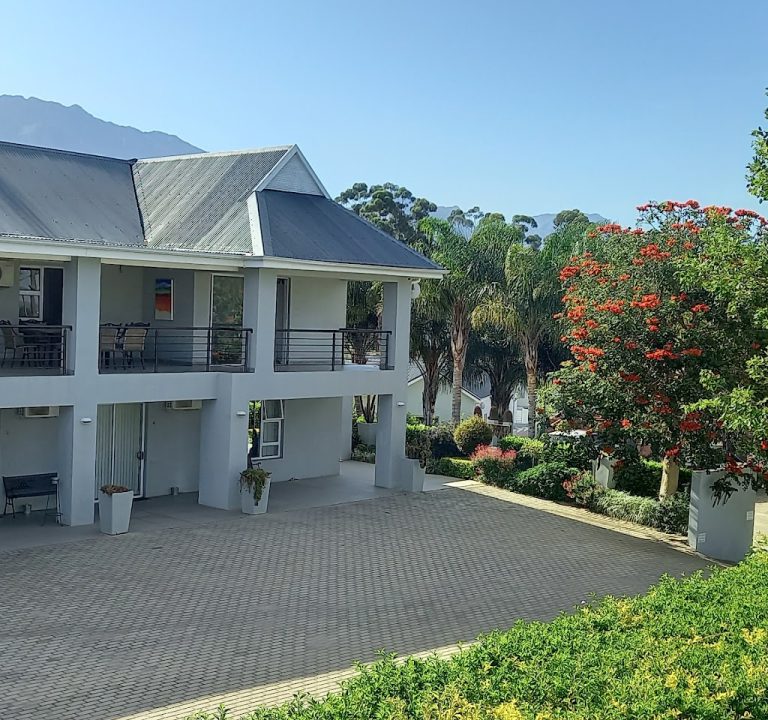
Accommodation in Wellington runs from characterful farmstays to upmarket guesthouses and self-catering cottages. Farmstays often provide a taste of country life with opportunities to stroll through orchards, sip local wines, or enjoy home-cooked breakfasts featuring fresh ingredients. Guesthouses and boutique hotels tend to offer a bit more structure and on-site amenities such as secure parking, free Wi‑Fi, and personalised recommendations from hosts. Self-catering cottages can be ideal for families or groups wanting flexibility, with equipped kitchens and living spaces that make longer stays comfortable. When you book, consider what matters most: quiet for rest, proximity to vineyards, or easy access to dining options and activities within Wellington itself.
Areas to consider when selecting a base include central Wellington for walkability to cafés and markets, or rural outskirts for more expansive views and closer ties to farms and winelands. If you enjoy an especially scenic backdrop, look for properties that mention mountain or vineyard surrounds. Check how far your accommodation is from key attractions and from the town’s amenities, and whether private parking or shuttle options are available if you plan to explore the wider Winelands region by car.
Typical amenities you may encounter include free parking,selection of breakfast options, ensuite bathrooms, and air conditioning or efficient ventilation for warmer days. For longer stays, self-catering options with fully equipped kitchens are convenient. Wireless internet is commonly available, though signal strength can vary depending on location. Outdoor spaces—such as verandas, patios, or gardens—are valuable in a place where sunny days encourage al fresco dining or sunlit lounging. If you have mobility considerations, be sure to check the property’s accessibility features and the layout of rooms to ensure a comfortable stay.
Transport in and around Wellington is straightforward for visitors who prefer to drive. The town sits along well-maintained roads with scenic routes that connect to broader winelands experiences. If you are flying in for a short city break, it is practical to hire a car at Cape Town International Airport and enjoy a relaxed, self-guided itinerary. Within Wellington, you can usually rely on your own transport to reach farms, markets, and dining venues. For those who prefer not to drive, some accommodation providers offer local transfer services or can arrange guided day trips to nearby towns and wine estates.
The best time to visit Wellington aligns with the broader South African and Western Cape calendar. Spring (September to November) brings mild weather and blooming landscapes, making it ideal for outdoor activities, winery visits, and walks in rural surroundings. Summer (December to February) can be warm and sunny, perfect for long days outdoors, but plan for peak visitor periods. Autumn (March to May) is often temperate and quieter, a favourable time to sample wines and enjoy comfortable sightseeing. Winter (June to August) is cooler and can be wetter, yet the countryside remains verdant and fewer crowds may enhance a relaxed pace. Always check local forecasts and seasonal events, as harvest times and markets can influence availability and atmosphere.
When planning, keep a few practical considerations in mind. Check cancellation policies and any minimum-night requirements, especially during peak seasons or around school holidays. Consider whether you prefer a peaceful countryside setting or closer proximity to Wellington’s eateries and shops. If you intend to visit multiple winelands towns, a flexible itinerary with day trips by car tends to work well. For food and wine enthusiasts, think about booking a tasting or a vineyard visit in advance, but also leave room for spontaneous stops to savour the region’s relaxed hospitality.
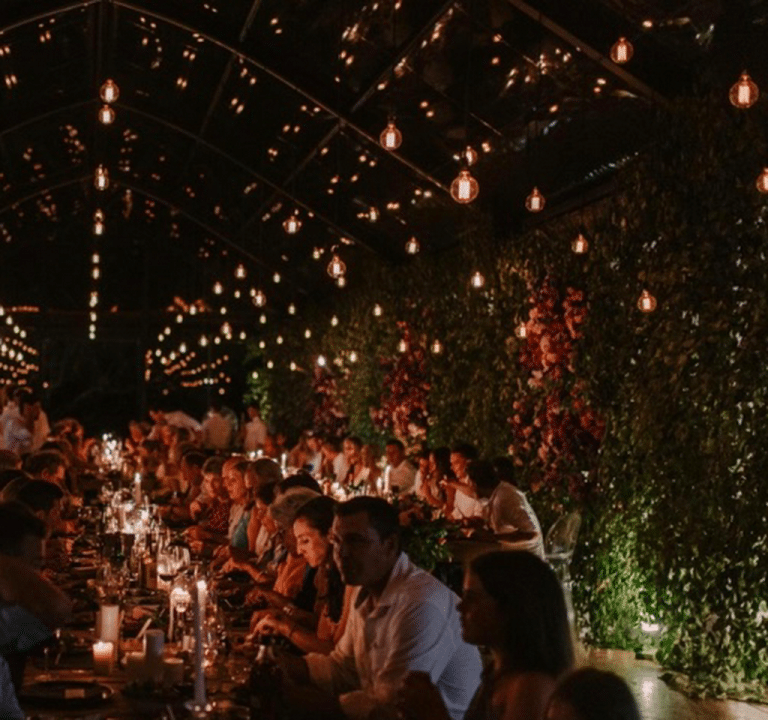
Attractions and dining in general terms include scenic drives through the winelands, access to markets, and opportunities to encounter local produce and regional flavours. Outdoor pursuits in the surrounding hills and nature reserves offer hiking, birdwatching, and sweeping viewpoints. While Wellington itself has a laid-back village feel, the broader area includes renowned wine estates, olive farms, and culinary experiences that celebrate seasonal ingredients. Dining tends to emphasise fresh, well-prepared meals with a focus on South African textures and flavours, often paired with local wines or craft beverages. For a well-rounded visit, combine tranquil days in Wellington with day trips to nearby towns and countryside estates to sample a wider range of landscapes and experiences.
- Double-check distance to vineyards and markets when choosing accommodation
- Ask hosts about nearby walking routes and safe parking
- Look for properties with clear information on Wi-Fi, heating, and cooling
- Confirm whether breakfast or kitchen facilities are offered and what is included
- Plan a flexible itinerary that allows for both planned tastings and spontaneous discoveries
For practical planning, consider visiting the official tourism or regional resources of the Western Cape and the Winelands to locate current events, recommended routes, and booking links. A well-chosen stay in Wellington can serve as a comfortable home base from which to explore a wider arc of the region, while still offering easy access to restful mornings, friendly hospitality, and the peaceful rhythm of rural South Africa. To begin exploring options, you can visit Wellington-focused pages and related regional guides online.