Andreas Guest House is a Attractions establishment in Wellington, Western Cape, South Africa
About Andreas Guest House, Wellington, Western Cape
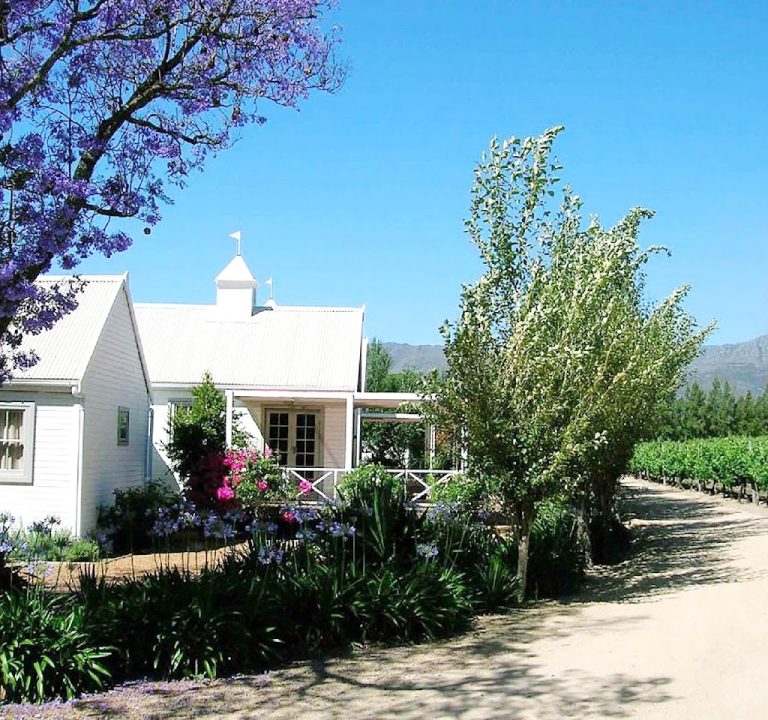
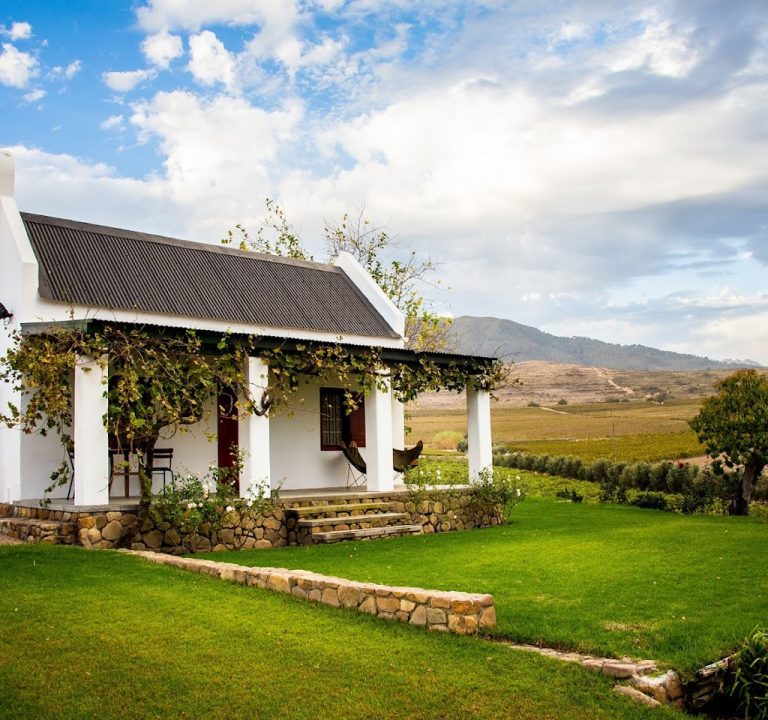
Nestled on a historic wine estate in the foothills of Wellington, Western Cape, Andreas Guest House presents a stay rooted in the region’s rich viticultural heritage. The estate is noted for producing award-winning Syrah, underscoring a long-standing commitment to craftsmanship and the land. For travellers drawn to wine, scenery, and a sense of place, the setting offers a serene backdrop that feels both timeless and intimately connected to the surrounding winelands.
What makes Andreas Guest House distinctive is its character as a destination of awe-inspiring beauty that remains off the beaten track, yet easily accessible. The description suggests a balance between quiet, pastoral landscapes and convenient travel access, making it appealing to visitors who wish to explore the Western Cape’s renowned wine routes without sacrificing a sense of retreat. The estate’s emphasis on beauty and placement within a historic context paints a picture of a stay that blends hospitality with the natural and agricultural heritage of the region.
While precise details about room types, on-site facilities, or specific amenities are not listed on the site in the provided materials, the guest house’s identity is tied to the setting: a historic estate where wine production is part of the landscape. For potential guests, this implies an environment that prioritises authenticity, tranquillity, and a connection to the land and its agricultural tradition. The focus appears to be on offering a retreat that aligns with the rhythms of a wine estate, inviting guests to slow down, unwind, and soak in the surrounding beauty.
In terms of who Andreas Guest House might suit best, the emphasis on a historic estate and a wine-forward setting points to travellers seeking a refined countryside escape rather than a conventional city hotel. It may particularly appeal to wine enthusiasts, couples seeking a romantic break, or visitors keen to explore the Western Cape’s winelands, including nearby towns, cellar doors, and scenic countryside. The sense of being “off the beaten track” could also attract those looking for a peaceful base from which to experience the region’s natural landscapes and slower pace of life, without sacrificing ease of access when needed.
Nearby highlights can be anticipated by virtue of the location within Wellington and the broader Western Cape Winelands. Wellington itself is known for its vineyards and rural charm, offering opportunities to explore cellar doors, landscape views, and a countryside itinerary that complements a wine-focused stay. The area is well-connected to other famous wine routes and nature-filled day trips in the Western Cape, providing a convenient anchor for travellers who combine a stay at a historic estate with broader regional explorations.
Booking and travel tips help frame a smooth visit. Prospective guests are encouraged to consult the official estate site for reservation details and to learn more about the property’s current offerings and experiences. The site provides a dedicated portal for information and bookings, which can help prospective visitors confirm availability, plan their itinerary, and map out day trips to nearby wine estates and natural attractions. Since direct contact details such as phone numbers and emails are not included in the publicly available content here, relying on the official website for up-to-date booking information is advisable. For those planning a Western Cape itinerary, Andreas Guest House represents a gateway to a wine estate experience that blends heritage, landscape, and a focused wine-centric milieu.
For travellers seeking a memorable stay that emphasises place, provenance, and a refined hospitality experience, Andreas Guest House in Wellington offers a narrative grounded in wine, history, and scenic beauty. The combination of a historic estate and award-winning wine production suggests that guests can expect an atmosphere where the land, the story, and the palate intersect—creating a destination experience that resonates long after departure. To explore further and arrange a stay, visitors can visit the estate’s official site: Andreas Estate – Official Site.
- Historic wine estate setting with a focus on wine heritage and landscape.
- A destination noted for beauty, offering a tranquil, off-the-beaten-track experience that remains accessible.
- Ideal for travellers seeking a countryside retreat, wine-focused itineraries, and a peaceful base in the Western Cape.
- Booking and planning through the official website, with information prioritised on the estate’s offerings and experiences.
Wellington
Western Cape
7654
South Africa


Exploring Wellington, Western Cape: Where to Stay, Eat, and Experience
Wellington, perched between the sweeping Boland mountains and the rolling plains of the Western Cape, offers a refined blend of tranquillity, scenery and access to South Africa’s famed wine country. Whether you crave a cosy bed-and-breakfast, a boutique guesthouse, or a self‑catering escape on a working estate, Wellington provides a straightforward base for exploring nutrient-rich vineyards, rugged mountain trails and relaxed farm-life hospitality. When planning a stay, consider how you’d like to combine morning hill walks with afternoon tastings and sunset dining.
Accommodation in Wellington runs the gamut from intimate B&Bs and historic guesthouses to contemporary self-catering cottages and luxury country lodges. Central Wellington is ideal for guests who want walkable access to heritage streets, cafés and small shops, while the surrounding countryside offers tranquil retreat options on working farms or among fruit orchards and olive groves. Look for properties that offer complimentary parking, easy access to main routes, and clear directions to local attractions. If you prefer a more intimate setting, consider a guesthouse with a garden, a pool, and breakfast that highlights regional produce.
Typical amenities to look for include reliable heating or air conditioning, secure on-site parking, daily housekeeping, and a friendly reception that can assist with local tips. Some properties offer communal lounges, braai facilities, or small kitchenettes for guests who enjoy casual self-catering. Families should check for family-friendly rooms or suites and a safe, enclosed garden; couples may appreciate a quiet terrace or a spa-like bathroom setting. For those who love cycling or hiking, ask about bike storage and local trail recommendations. If you are visiting during harvest season, early bookings help ensure access to preferred rooms and times for private tastings.
Transport in Wellington is straightforward but not always dense. If you plan to visit multiple estates or hillside viewpoints, renting a car provides the most convenient flexibility. Local taxis and ride‑hailing services can be useful for short hops into town for a meal or a walk along the historic streets, but schedules may be limited outside peak periods. Some estates offer guided tours or transfers—worth checking when you book—so you can sample wine and produce without worrying about logistics. If you don’t drive, coordinate with your accommodation for potential transport options or nearby day trips that are réseau-friendly.
Best time to visit Wellington depends on what you want from your stay. Spring (August to October) brings blooming gardens and fresh vineyard energy, while summer (November to February) offers warm days ideal for outdoor dining, hiking and vineyard tastings. Autumn (March to May) presents cooler evenings and harvest activity, and winter (June to July) reveals quiet countryside charm with cosy fireside moments. The climate is generally pleasant, but layering remains wise for changeable mountain weather and cool evenings after sunset.
When it comes to planning an itinerary, consider pairing a few wine‑land experiences with other local interests. While Wellington itself is known for its scenic beauty and relaxed pace, the surrounding region offers estate visits, olive groves, and scenic drives through the Boland. You’ll find that many estates welcome visitors for tastings during set hours, often with the option to pair wine with cheese or light seasonal bites. For a change of pace, short strolls along historic streets or a morning hike in the foothills can be a refreshing counterpoint to leisurely estate visits.
Practical tips to help you have a smooth stay:
- Book early for peak seasons and harvest periods; specialised rooms and quiet locations tend to fill up quickly.
- Confirm check-in times and whether self‑check-in is available if you arrive outside standard hours.
- Ask your host for local dining recommendations that suit your preferences—many places offer menus featuring regional produce and seasonal dishes.
- Check walking and cycling routes from your accommodation; some hills are steep and shade can be sparse in the midday sun.
- Bring a light jacket for cooler evenings in the mountains, even in warmer months.
- Respect estate guidelines and vineyard etiquette, including quiet hours and designated tasting areas.
Among notable options for a stay with character is a historic guesthouse that embodies the area’s wine heritage. It offers a comfortable base within walking distance of Wellington’s charms and has a strong sense of place with period architecture and modern comforts. For those who would like to explore a traditional wine estate experience, the property links to a dedicated website with further details and virtual glimpses of the surroundings: Andreas Guest House.
As you plan your visit, consider including a couple of evenings in Wellington to enjoy a relaxed dinner scene that mirrors the region’s farm-to-table ethos. Plainly prepared dishes and seasonal produce can be found in modest bistros and more polished eateries, often with views that complement the wine-focused pace of your days. Wellington’s hospitality is friendly and unpretentious, making it ideal for travellers who want to unwind, take in the scenery and savour the Western Cape at a gentle, unhurried tempo.
In sum, Wellington offers a glide between rural charm and refined wine country living. With a thoughtful choice of accommodation, a flexible itinerary, and openness to local recommendations, your stay can be both restorative and richly local. Whether you are drawn to a cosy guesthouse in the heart of town or a serene retreat on the edge of the vineyards, Wellington makes a compelling gateway to the Western Cape’s broader experiences.
Sorry, no records were found. Please adjust your search criteria and try again.
Sorry, unable to load the Maps API.
Why Claim Your Listing?
Claiming your listing on the B&B Finder directory website is a valuable opportunity for business owners. Here are five reasons why you should consider claiming your listings:
Control Over Business Information: By claiming their listing, business owners can ensure that all the information presented is accurate and up-to-date. This includes details such as contact information, address, pricing, and available services or amenities. Accurate information helps prevent customer confusion and improves overall satisfaction.
Enhance the Listing: Once a listing is claimed, owners can enhance it by adding more comprehensive information and rich media, like high-quality photos and videos. These additions can make the listing more attractive and engaging to potential customers, thereby increasing the likelihood of bookings.
Marketing Opportunities: Claiming a listing can also open up additional marketing opportunities. Owners may be able to participate in promotional campaigns, special offers, and other marketing activities organized by the directory. This can increase visibility and attract more customers to the business.