Accommodation and Attractions in Cape Town, Western Cape
Cape Town offers a diverse tapestry of places to stay, from intimate guest houses in leafy neighbourhoods to stylish hotels along the coastline. When planning a visit, think about your priorities—whether it’s easy access to Table Mountain, proximity to the V&A Waterfront, or a quiet base with easy drives to the Winelands. The city is compact enough to explore by car or public transport, yet you can also enjoy scenic walks, harbour views, and sunset moments that linger long after you leave.
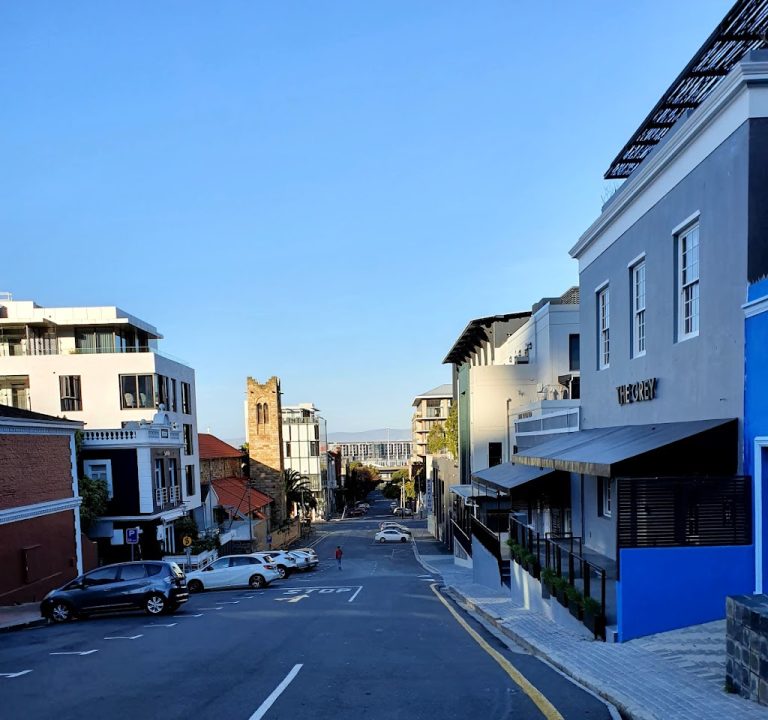
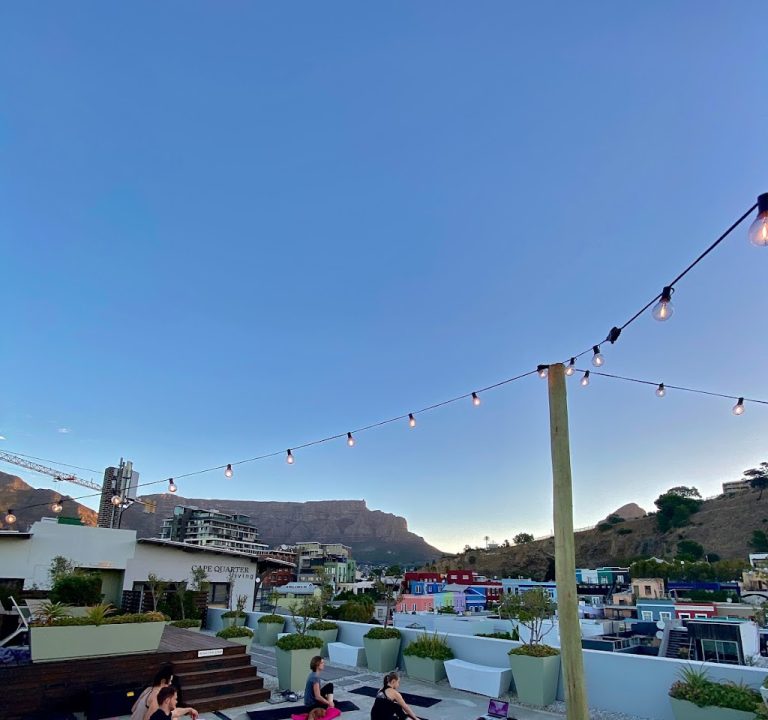
For accommodation, consider the neighbourhoods that suit your style and itinerary. The City Bowl hubs offer convenient access to museums, markets, and urban cafés, while the Atlantic Seaboard and Camps Bay deliver breathtaking coastal scenery and a more relaxed, resort-like atmosphere. Constantia is ideal for wine lovers and families who prefer a village feel with easy access to nature and historic estates. If you are seeking a touch of colour and culture, the Bo-Kaap area provides a window into Cape Malay heritage along with panoramic views from surrounding streets. Choose a guest house like The Village Lodge for a warm, personalised stay that can connect you with local tips and slower-paced days, while still being within reach of major sights.
When you book, look beyond the rate to understand what you are getting. Typical amenities in well-regarded guest houses and boutique hotels in Cape Town include heated pools or plunge pools, hearty breakfast options, secure parking, free Wi-Fi, and well-appointed en-suite rooms. Some properties offer kitchen facilities, lounge areas, or garden spaces for guests who value downtime at their convenience. If you rely on public transport or taxis, check whether the property provides shuttle services or has easy access to main bus routes and MyCiTi stops. Members of staff who can offer local recommendations are a bonus, as they can help tailor your stay to your interests—whether you want a day on the wine-route, a hike up the iconic Table Mountain, or a harbour cruise along the Atlantic coast.
- Location and accessibility to sights and transport
- Room size, light, and privacy
- Breakfast options and kitchen facilities
- Safety features, parking, and late check-in arrangements
- Cancellation policy and flexibility during peak seasons
Timing your visit can influence prices and crowd levels. The best months for outdoor activities are typically during the South African autumn and spring, when the weather is mild and the scenery vibrant. Summer (December to February) brings longer days and bustling seaside atmosphere, while winter (June to August) can be cooler and wetter, yet still offers dramatic skies and fewer crowds in some areas. If you plan day trips to the Cape Winelands or coastal towns, factor in traffic patterns and the possibility of sudden weather changes on Table Mountain and coastal routes.
Practical planning tips include prioritising the Ocean-facing or mountain-view options for the most iconic photos, booking popular attractions in advance where possible, and leaving space for spontaneous discoveries. When budgeting, remember that Cape Town’s value often lies in mid-range guest houses and boutique stays that provide character, approachable service, and thoughtful touches that larger hotels may overlook. Consider a mix of days in the city’s historic core and days on the coast to balance urban exploration with beach relaxation and outdoor adventures.
Getting around is straightforward. The MyCiTi bus network covers many routes, and ride-hailing apps are widely used. If you plan to explore beyond the immediate city centre, renting a car gives flexibility to visit the Constantia vineyards, Kalk Bay, and Chapman's Peak Drive at your own pace. Taxis and private transfers are reliable for evening meals or trips to the theatre or a harbour cruise. When choosing accommodation, check how you will move around from the door—whether the property is near tram or bus stops, or if a car is recommended for your itinerary.
Best time to visit Cape Town blends outdoor appeal with cultural vibrancy. Spring in Cape Town (September to November) offers colourful gardens and less wind, while autumn (March to May) features cooler evenings and comfortable days. Autumn/winter stays can still be rewarding if you enjoy city wanderings, museum days, and dining in stylish eateries without the peak-season crowds. For seafood lovers, coastal towns along the Atlantic Seaboard present tempting menus with seasonal catches and market stalls—albeit without specific prices or claims. Always reserve a flexible plan to accommodate a possible weather change or a late-afternoon scenic drive along the coastline.
Beyond accommodation, Cape Town’s attractions and dining scene provide various experiences without the need for exact endorsements. Visitors commonly enjoy iconic natural viewpoints, harbour and waterfront ambience, historic neighbourhoods with texture and storytelling, and culinary offerings that celebrate both local produce and global flavours. Take guided walks or short tours to understand the city’s diverse heritage, and set aside time for a day trip to the nearby winelands or nature reserves. For those seeking inspiration, a visit to the official tourism site can offer up-to-date practical details, guided experiences, and seasonal suggestions. Whether you stay near the bustle of the city or in a quiet guest house, Cape Town rewards curious travellers with memorable landscapes and warm hospitality.