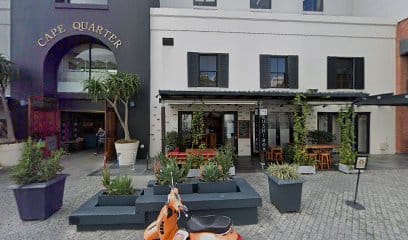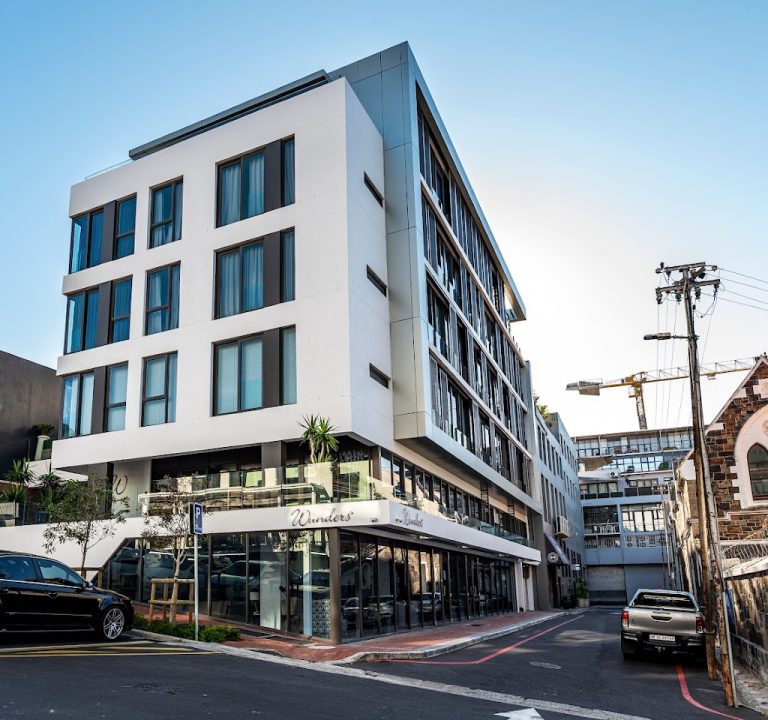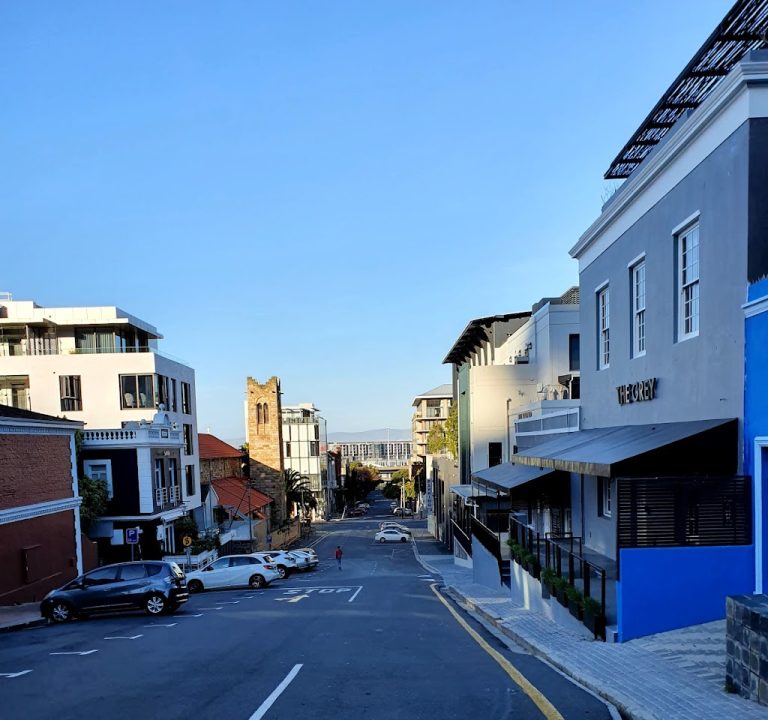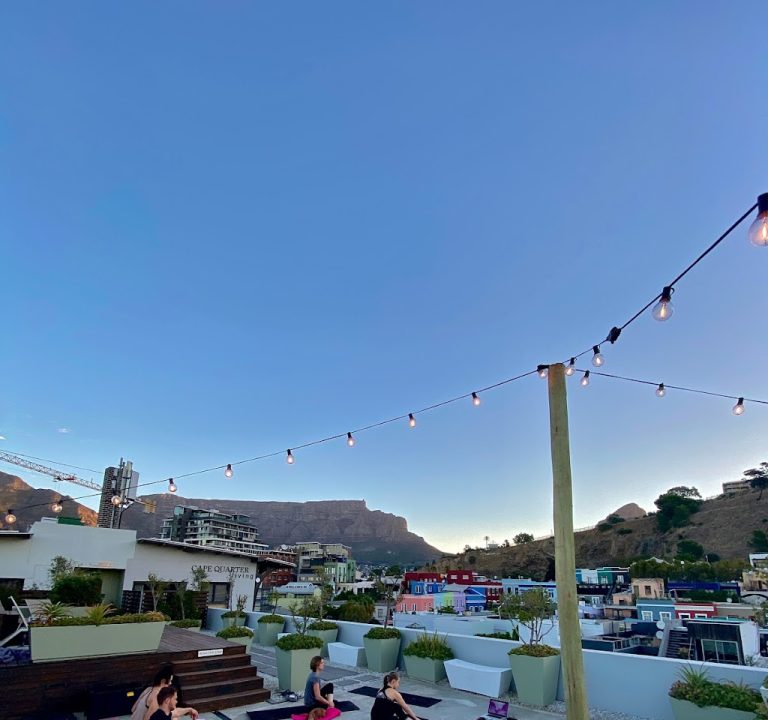
Neighbourgood Cape Quarter Living is a Hotels establishment in Cape Town, Western Cape, South Africa
Neighbourgood Cape Quarter Living: Connected Stays in Cape Town’s Vibrant Waterfront District
Neighbourgood Cape Quarter Living presents a distinctive urban experience that blends short-term accommodation with community-focused living. Designed to offer more than a place to rest, the concept centres on connected living where guests can immerse themselves in well‑considered spaces that foster comfort, collaboration, and a sense of belonging. The property sits within Cape Town’s sought-after Cape Quarter neighbourhood, a location that combines convenience, culture and easy access to the city’s famed seaside and attractions.
From arrival to departure, the emphasis is on simplicity and inclusivity. The vision is to provide thoughtfully designed, all-inclusive living spaces that cater to the modern traveller who values ease, quality and connection. The accommodation is presented as part of a broader neighbourhood ecosystem, where guests can draw on adjacent amenities and experiences to enhance their stay. The positioning as a stay, work and experience hub is clear, inviting guests to not only rest but also engage with the city in a more integrated way.
The offer extends beyond a traditional hotel or apartment stay. Neighbourgood emphasises a holistic experience that can include private living spaces complemented by communal or shared facilities, designed to encourage interaction among guests and neighbours. The approach underlines the idea of a community living environment that supports both personal downtime and professional or social activities. For those seeking a retreat that aligns with a connected lifestyle, this concept aims to provide an appealing balance of privacy and sociability.
As a destination for longer stays or shorter layovers, Neighbourgood Cape Quarter Living is positioned as suitable for travellers who appreciate thoughtful design and a curated sense of place. The model supports guests who value convenient access to urban life—where eateries, cafés and local experiences are close at hand—without sacrificing the comforts of well‑specified living spaces. The property’s emphasis on a connected community aligns with the wider Neighbourgood mission of creating spaces where good people belong and thrive, as reflected in the brand’s broader approach to stay, work and experience in Cape Town.
In terms of on‑site facilities and services, the information available highlights the emphasis on an all‑inclusive experience and a capable support network for guests. While exact room types and facility specifics are not itemised here, the overarching narrative suggests well‑designed rooms or lofts that accommodate contemporary travellers, with amenities that support both leisure and productivity. The inclusion of workspaces and a “work club” concept points to facilities that appeal to remote workers and creatives who value reliable connectivity and an environment conducive to focus and collaboration. Guests can expect spaces that are conducive to both restful stays and productive days, aligned with the broader Neighbourgood ethos.
Nearby highlights and experiences are a central thread in Neighbourgood’s offering. The Cape Quarter area provides proximity to a variety of dining options, retail experiences and cultural attractions, with the broader appeal of Cape Town’s famed coastal scenery and vibrant urban life nearby. The brand promotes curated experiences that help guests see the city like a local, with personalised options and a focus on meaningful connections in extraordinary places. For travellers seeking to capture the city’s essence, the surrounding neighbourhood offers a convenient gateway to explore, eat and engage with local happenings.
For guests considering when to visit, the seasonal framing of the brand’s campaigns—such as the Summer Season Pass—signals a planning framework that encourages immersive stays during peak times. The concept of staying, working, experiencing, eating and connecting under one umbrella may appeal to those who want a seamless blend of hospitality and social engagement, with the confidence that communities and hosts are geared towards comfort and conviviality.
Booking and travel tips align with the ethos of convenience and connection. Prospective guests are encouraged to explore the Stay section for detailed information on accommodation options and the overall experience. Engaging with the broader Neighbourgood ecosystem—through experiences and nearby Neighbourgood neighbourhoods—can unlock additional value, such as access to coworking spaces, curated tours and group activities. The brand’s approach makes it straightforward to plan a stay that dovetails with work commitments or leisure explorations, while also providing opportunities to meet other guests and locals within a welcoming community framework.
Ultimately, Neighbourgood Cape Quarter Living offers a concept that resonates with travellers who value design-led spaces that support a connected lifestyle. While precise room configurations and on-site facilities are best confirmed via the official site, the overarching message conveys a modern, community‑driven approach to short‑term stays in Cape Town. For visitors seeking a base that integrates comfortable living with easy access to city life and curated experiences, this property presents a thoughtful option within Cape Town’s dynamic Western Cape landscape. More information and booking details are accessible through the official Neighbourgood website.
- Find out more about the Stay, Work and Experience philosophy at Neighbourgood and how Cape Quarter Living fits into the broader Cape Town portfolio.
- Explore nearby neighbourhoods and experiences linked from the official site to tailor a stay that suits personal interests and travel plans.
Cape Town
Western Cape
De Waterkant, Cape Town
South Africa


Discover Cape Town: where to stay and what to do
Cape Town’s appeal lies in its dramatic geography, from the iconic Table Mountain to sparkling harbour waters and sweeping Atlantic beaches. For travellers seeking a well-rounded stay, the city offers a spectrum of accommodation options, from contemporary apartments to boutique hotels, all with easy access to outstanding attractions and a feast of dining experiences. When planning a visit, consider the neighbourhoods that best suit your pace and interests, and choose a base that matches how you want to explore this diverse metropolis.
Cape Town is a city of distinct districts, each with its own character. The Atlantic Seaboard, including areas such as popular coastal stretches and vibrant urban crescents, tends to be bright, airier, and close to beaches and harbour views. The city centre offers design-conscious stays, close to galleries, markets, and a constellation of eateries. Southern Suburbs provide leafy avenues and easy access to wine routes and mountain trails. For a more authentic local rhythm, stay in neighbourhoods that have a strong community feel and put you within walking distance of cafés, markets, and public transport links.
What to look for when booking
- Location and accessibility: Proximity to Table Mountain, the V&A Waterfront, the city centre, or the Constantia wine valley will shape your daily planning. Consider access to reliable public transport or easy rides to match your itinerary.
- Room type and layout: Decide whether you want a compact hotel room, a spacious apartment with a kitchen, or a traditional guesthouse with a homely atmosphere. Some options offer long-stay facilities with community spaces and coworking areas.
- Amenities that matter: Look for robust WiFi, secure access, on-site dining or a nearby cafe, laundry facilities, and comfortable workspaces if you need to combine travel with remote tasks.
- Transport options: If you plan to explore widely, check for proximity to MyCiti bus routes, rail links, or convenient parking arrangements if you’ll hire a car.
- Seasonal tips: Cape Town’s peak tourist season runs through the southern hemisphere summer. For quieter visits, shoulder seasons can offer milder weather, better value, and easier access to popular sights.
Accommodation options to consider
- Modern serviced residences and hotels in the city bowl or harbour areas provide stylish rooms, easy dining options, and short strolls to shops and markets.
- Boutique guesthouses in neighbourhoods away from the most tourist-heavy zones can offer personalised service, intimate interiors, and insider recommendations.
- Purpose-built living complexes blend accommodation with common spaces such as coworking areas, fitness facilities, and communal lounges—especially convenient for longer stays or short-term remote work.
- A notable option is Neighbourgood Cape Quarter Living, a development known for its connected living spaces, all-inclusive amenities, and a sense of community that suits travellers who want to feel at home while exploring the city. The property demonstrates how modern accommodation can combine comfortable rooms with shared facilities and convenient access to nearby eateries and transport links. Visit their site for more details and to see current offerings.
Practical planning tips
- Best time to visit: The summer months (roughly November to February) bring long days and outdoor activities, but spring and autumn offer pleasant weather and fewer crowds. Winter is cooler and wetter, yet markets and indoor experiences remain engaging.
- Planning day trips: Cape Town serves as an excellent base for day trips, from scenic coastal drives to wine-tasting routes and iconic viewpoints. Grouping activities by geography can minimise transit time and maximise daylight hours.
- Eating out: The city is renowned for its dining diversity, from casual cafés to fine-dining establishments. You’ll find flavours ranging from coastal seafood to contemporary South African cuisine, with many venues offering seasonal menus and locally sourced ingredients.
- Safety and comfort: Like any major city, keep an eye on belongings in busy areas, and choose accommodation with secure access and reliable in-room security. A comfortable bed, a quiet room, and good air conditioning can make a big difference after a day of sightseeing.
- Local experiences: In addition to sights, look for experiences that connect you with Cape Town’s communities, such as guided walks, markets, and small-group tours that showcase local crafts, music, and culinary traditions.
Attractions and experiences in general terms
- Natural highlights such as viewpoints over the city bowl, the mountains behind, and the coastline offer memorable photo opportunities and hikes suitable for various fitness levels.
- Cultural venues, markets, and galleries provide insights into the layered history and contemporary creativity of Cape Town.
- Waterfront and harbour areas provide a mix of shops, casual eateries, and relaxed strolls, with pleasant places to watch the sun set over the Atlantic.
- Bushveld and coastal restaurant scenes deliver fresh seafood and farm-to-table dining, often featuring seasonal ingredients and regional wines.
Getting around and staying connected
- Public transport is accessible and convenient in many parts of the city, though taxis or rideshare services may be preferred for late evenings or longer excursions.
- A workable plan is to balance days spent exploring on foot with rides to more distant sights, allowing you to enjoy scenic routes without overloading a single day.
- If staying in a modern residential complex, you may benefit from on-site coworking spaces, communal lounges, and social events that help you connect with other travellers and locals.
For inspiration and booking options, explore a range of accommodation styles in Cape Town, and consider staying in a neighbourhood that aligns with your travel rhythm. For a modern, community-focused stay, Neighbourgood Cape Quarter Living offers an example of how connected living can enhance a visit to this remarkable city. https://neighbourgood.co.za/
Sorry, no records were found. Please adjust your search criteria and try again.
Sorry, unable to load the Maps API.
Why Claim Your Listing?
Claiming your listing on the B&B Finder directory website is a valuable opportunity for business owners. Here are five reasons why you should consider claiming your listings:
Control Over Business Information: By claiming their listing, business owners can ensure that all the information presented is accurate and up-to-date. This includes details such as contact information, address, pricing, and available services or amenities. Accurate information helps prevent customer confusion and improves overall satisfaction.
Enhance the Listing: Once a listing is claimed, owners can enhance it by adding more comprehensive information and rich media, like high-quality photos and videos. These additions can make the listing more attractive and engaging to potential customers, thereby increasing the likelihood of bookings.
Marketing Opportunities: Claiming a listing can also open up additional marketing opportunities. Owners may be able to participate in promotional campaigns, special offers, and other marketing activities organized by the directory. This can increase visibility and attract more customers to the business.