Cape Town accommodation and planning your stay: where to stay, what to look for, and what to do
Cape Town blends dramatic natural beauty with world‑class hospitality, making it possible to design a stay that suits both leisurely weekends and longer explorers’ itineraries. When choosing where to base yourself, think about access to the city’s highlights, ease of getting around, and the rhythm you want for your days. Options range from intimate B&Bs and charming guesthouses to contemporary hotels and coastal retreats, each offering its own character and level of personalised service. An example in the B&B category is The Corner Bed and Breakfast, where a thoughtfully run property can provide a welcoming base from which to discover the region.
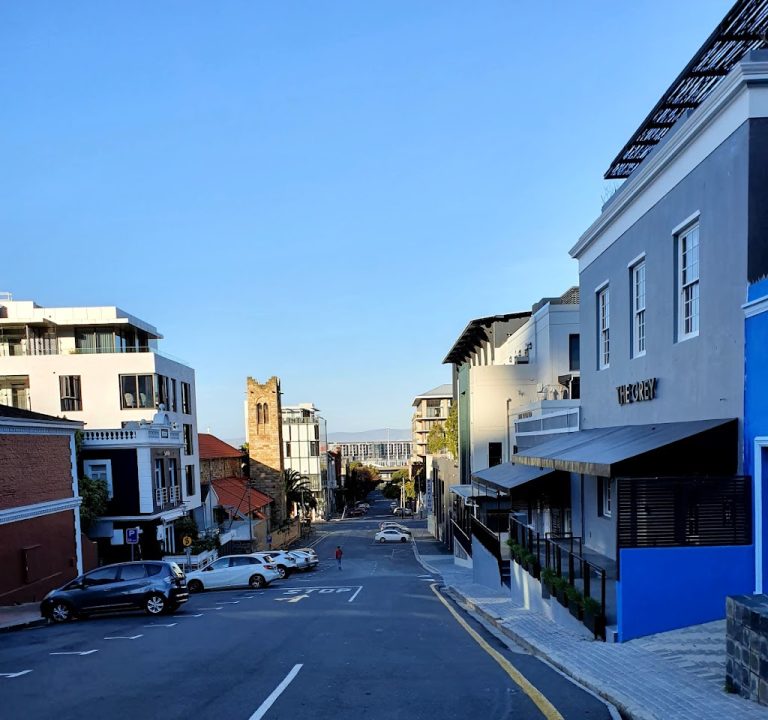
Areas to consider include the City Bowl for a central, walkable hub near galleries, coffee shops, and historic precincts; Green Point and V&A Waterfront for harbour views and easy access to ferries and tours; and Sea Point or Camps Bay for a coastal ambience with dramatic ocean sunsets. For those seeking a more bohemian or industrial vibe with a focus on food markets and eclectic eateries, the areas around Woodstock and Observatory offer a different pace while still being well connected to the city centre. When planning, map out a rough daytime plan and cross‑check the distances to your chosen accommodation to minimise time spent on transit.
Typical amenities to look for include reliable Wi‑Fi, a comfortable workspace if you need to combine work with travel, secure parking if you’ll be driving, and clear information about self‑catering options or included meals. Many guesthouses and B&Bs in Cape Town pride themselves on made‑to‑order breakfasts, with locally sourced ingredients and options to accommodate dietary needs. In a hotel or boutique property, you might find access to a pool or rooftop area, on‑site dining, and reception staff who can tailor recommendations for activities and reservations.
Transport in Cape Town is varied and usually straightforward. MyCiTi buses cover major routes and offer a cost‑effective way to reach popular attractions and beaches. Uber and other ride‑hailing services operate widely, providing flexibility for evening outings. If you plan to explore beyond the city bowl, renting a car gives you freedom to visit the Cape Peninsula, the Constantia wine route, or the scenic Winelands at your own pace. If you opt for public transport, check the latest routes and safety tips ahead of time, especially for early starts or late returns.
The best time to visit Cape Town depends on what you want from your trip. Summer (November to March) brings longer days, warm sea temperatures, and lively outdoor scenes, but it can be busy. Shoulder seasons (spring and autumn) offer milder weather and fewer crowds, which can be ideal for sightseeing and hiking. Winter (June to August) is cooler and more temperate, with occasional windy periods; it can be a good time to enjoy museums, cafés, and regional cuisine indoors, with some cheaper accommodation deals. Regardless of season, plan around the city’s natural light for outdoor activities and keep an eye on weather and wind forecasts for coastal excursions and Table Mountain operations.
When it comes to activities, Cape Town offers a mix of natural beauty, culture, and cuisine. Iconic landmarks are complemented by scenic coastal drives and viewpoints, excellent hiking trails, and world‑class gardens. A visit up Table Mountain is a must when weather permits, offering panoramic views across the city and harbour. The Cape Peninsula drive allows for stops at dramatic coastal cliffs, pristine beaches, and penguin colonies. In addition, the Kirstenbosch National Botanical Garden presents a lush contrast to the city’s granite skyline, while the Constantia Valley wine route provides opportunities to sample wines and enjoy seasonal picnics. For a taste of local life, explore neighbourhood markets, artisan cafés, and small galleries in areas known for their creative communities.
Restaurants across Cape Town range from casual eateries to refined dining rooms, with emphasis on fresh seafood, farm‑to‑table produce from nearby estates, and globally influenced flavours. Plan to mix a couple of sit‑down dinners with lighter meals at laid‑back cafés or markets so you can sample a broad spectrum of the city’s culinary personality. Booking ahead is sensible for popular times, but many spots also offer relaxed walk‑in seating. If you are staying in a B&B or guesthouse, the hosts can typically point you to seasonal specials and local favourites that suit your mood and budget.
Practical tips to help you make the most of your stay:
- Choose an accommodation with a clear cancellation policy and review recent guest feedback for consistency.
- Request a room that suits your needs (quiet for sleep, with easy access in case of mobility considerations, and enough storage).
- Check for off‑street parking or safe guest parking if you plan to rent a car.
- Ask about local tips for safety, traffic patterns, and the best times to visit popular spots to avoid crowds.
- Pack layers and a concise travel wardrobe to adapt to varied temperatures between sea breeze and inland sun.
With careful planning, Cape Town can offer a well‑rounded stay that balances restful accommodation with exciting day trips, cultural encounters, and memorable meals. By choosing a district that aligns with your interests, understanding transport options, and keeping a flexible itinerary, your visit can flow smoothly from mornings on the hills to evenings along the coastline.