Cape Town: Accommodation and Experiences for a Memorable Stay
Few cities match Cape Town for a blend of coastal scenery, dramatic mountains and vibrant neighbourhoods. When planning a stay in Western Cape, choosing the right area to base yourself can shape the pace and flavour of your trip. Whether you crave a seaside escape, a trendy urban hub, or a quieter residential retreat, Cape Town offers a range of self-catering cottages, guesthouses and hotels that suit every style and budget.
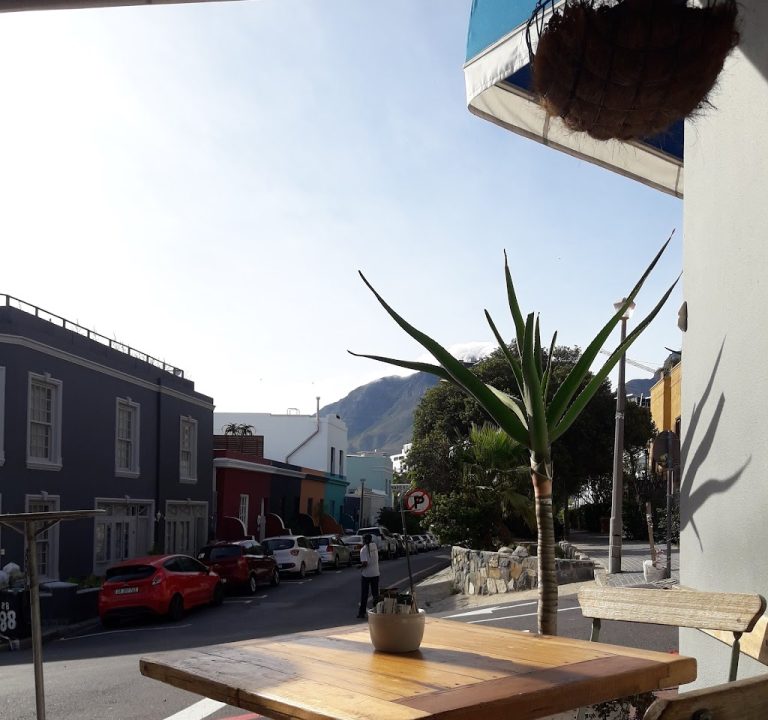
Popular areas to consider include the Atlantic Seaboard, where seaside promenades, white-sand beaches and excellent seafood restaurants provide a relaxed vibe. The city centre and the central business district offer easy access to museums, markets and nightlife, with many stylish boutique hotels and self-catering options close to major transport links. A short drive or coastal road from the city bowl takes you to colourful neighbourhoods, mountain trails and the iconic Table Mountain that frames virtually every itinerary. For a more residential feel, the southern suburbs around Constantia or Kirstenbosch provide leafy streets, easy access to vineyard routes, and self-catering properties with a touch of privacy.
When booking, look for clear descriptions of the property layout, privacy level, and guest reviews that cover practicalities such as self-catering facilities, Wi-Fi reliability, and heat or air conditioning. Self-catering stays, like the De Waterkant Cottages & Apartments, offer flexibility for families or groups, with units ranging from compact studios to larger multi-bedroom layouts. It helps to check the kitchen appliances, storage space, laundry facilities, and whether there is outdoor seating or a balcony with views. For families or longer stays, proximity to supermarkets, pharmacists and public transport can save time and effort.
Typical amenities across well-rated Cape Town properties include reliable kitchen facilities (fridge, oven, hob, microwave, and sometimes a washing machine), comfortable living areas, and clear access to parking or easy public transport. Guests often value secure entry, air conditioning or heating, and thoughtful touches such as local guidebooks, maps, and information on nearby parks and beaches. Whether you stay in a snug apartment or a more expansive cottage, the ability to self-cater can be a major advantage for flexible travel and cost control, particularly for longer stays or family trips.
Transport in and around Cape Town is a crucial consideration. The MyCiTi bus network offers city-wide coverage, while ride-sharing apps provide convenient options for evenings out or trips to the market. If you are based near the Atlantic Seaboard or the City Centre, many properties provide easy access to scenic drives along the coastal route, where coffee stops and casual meals can punctuate each day. For those exploring the winelands or table-top adventures, it can be worth selecting a base with good highway access and parking options, to avoid busy bottlenecks during peak season.
The best time to visit Cape Town depends on your priorities. Summer (December to February) brings long days, bustling beaches and outdoor dining scenes, though it is busier and priced accordingly. Autumn (March to May) and spring (September to November) offer milder weather, calmer crowds, and the chance to hike or cycle with fewer interruptions. Winter (June to August) can be cooler and rainier, but it is also a good time to find value in accommodation and enjoy cosy evenings in self-catering spaces after mountain or canyon days. If you plan to visit attractions such as nature reserves, beaches or scenic viewpoints, consider the hour of sunrise and sunset for photography or hiking, and always check local advisories for safety and weather conditions.
When you arrive, practical tips can smooth the first days. Familiarise yourself with local etiquette and tipping norms, plan a few core experiences in advance, and leave some flexibility for discoveries on foot or by bike. Pack layers to accommodate microclimates—Cape Town can switch from bright sun to sudden coastal breeze. If you are exploring on a budget, mix free or low-cost activities with select paid experiences, such as guided walks, markets, or a curated food tour, to balance the itinerary without overspending.
To inspire your planning, consider a stay at De Waterkant Cottages & Apartments, a self-catering option that emphasises flexibility and location. Their website provides details on unit layouts and amenities, along with nearby neighbourhood highlights and transport options: http://dewaterkantcottages.com/.
- Area highlights: beach access, mountain views, city markets, and a variety of eateries within walking distance
- Typical amenities: well-equipped kitchens, comfortable living spaces, secure entry, and parking where available
- Planning tips: check proximity to public transport, kitchen gear for self-catering, and suitability for groups or families
- Best time to book: shoulder seasons for value and comfortable touring weather