Accommodation and Attractions in Cape Town: Planning a Memorable Stay
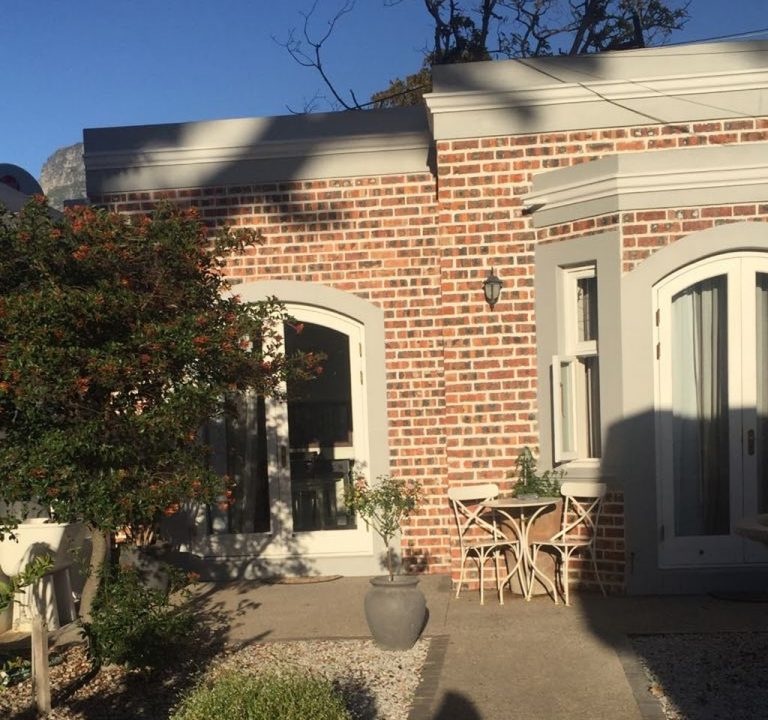
Cape Town, perched between the Atlantic Ocean and a dramatic backdrop of mountains, offers a wide range of places to stay and experiences to savour. Whether you’re seeking a cosy bed-and-breakfast, a stylish guesthouse, or a boutique hotel with panoramic views, planning ahead helps you make the most of your time in this dynamic city and its surrounding towns. The Victorian Goose is a noted example of a charming bed & breakfast option that can provide a personalised welcome and a good base for exploration.
When choosing where to stay, consider the rhythms of Cape Town’s neighbourhoods. Each area has its own character, access patterns, and nearby attractions. A central base in the City Bowl or near the V&A Waterfront keeps you within easy reach of museums, markets, and harbour-side activities, while the Atlantic Seaboard offers long coastal walks and stunning sunsets. For wine lovers, Constantia and Stellenbosch are handy day-trip options with scenic routes and cellar doors. If you’re after a quieter retreat, the and surrounds of the Southern Suburbs and beyond offer a more relaxed pace with leafy streets and boutique eateries.
Common features to look for in accommodation include a welcoming atmosphere, reliable Wi-Fi, convenient transport links, and a thoughtful breakfast offering. Many guesthouses and B&Bs in Cape Town pride themselves on personal touches—local recommendations, maps, and flexible check-in options—and some provide terraces or balconies with views of Table Mountain or the harbour. When reviewing options, ask about parking arrangements, access to public transport, and whether the property can arrange practical extras such as airport transfers or guided walks.
Here are some practical planning considerations to help you choose smartly and avoid last‑minute stress:
- Accessibility and transport: If you aren’t planning to hire a car, prioritise places near My Ci of transport hubs, such as bus routes, the MyCiTi system, or major taxi services. Proximity to a railway station or a reputable tour operator can also ease day trips to Cape Point, Kirstenbosch Botanical Gardens, or the Cape Winelands.
- Layout and amenities: For longer stays, look for comfortable lounges, self‑catering options, and laundry facilities. A well‑equipped kitchen or a fridge in your room can be a big plus for cost-conscious travellers.
- Safety and security: Cape Town is a wonderful destination, but it’s prudent to choose properties with secure access, well-lit surroundings, and clear guest policies. Read current guest reviews to gauge neighbourhood safety and host responsiveness.
- Seasonality and crowds: The peak tourist months tend to be the South African spring and summer, offering longer days and better harbour and coastal visibility. Shoulder seasons can be excellent for lower room rates and quieter streets, with still-pleasant weather for outdoor activities.
- Weather considerations: The Cape’s climate can be changeable. Pack layers for cool coastal winds and sun protection for midday heat. A light rain shell is handy for sudden showers, especially if you plan outdoor activities along the coast or in the mountains.
Beyond a good night’s sleep, Cape Town’s array of experiences is a major draw. You could begin with a scenic ascent up Table Mountain (weather permitting) for sweeping city and ocean views, followed by a visit to historic districts where markets, cafes, and galleries provide a sense of place. The city’s coastline invites coastal walks, penguin spotting at a well-known reserve, and harbour cruises that offer a maritime perspective on the peninsula. For culture enthusiasts, museums and galleries showcase the region’s diverse history and contemporary art scene.
Food lovers will find a thriving dining scene ranging from casual bistros to refined restaurants that celebrate South African ingredients and global influences. In many neighbourhoods, guesthouse hosts and local guides can point you to markets, neighbourhood eateries, and farm-to-table experiences that emphasise fresh produce and seasonal accents. When planning meals, allow for a mix of pre‑booked dinners and relaxed, exploration‑style lunches that let you sample different corners of the city without feeling rushed.
Practical tips to help you get the most from your visit:
- Book accommodation with flexible cancellation policies where possible, especially if your plans may change with weather or other commitments.
- Ask about wifi quality, breakfast options, and whether self‑catering facilities are available, which can be convenient for longer stays or family trips.
- Consider a stay that offers guidance on day trips, such as help arranging a coastal drive along the Atlantic Seaboard, a wine‑route excursion, or a nature hike in the nearby mountains.
- Leave some days open for spontaneous discoveries—neighbourhood markets, street food pop-ups, and small galleries often reveal the city’s best-kept secrets.
- Respect local safety guidance and keep valuables secure, especially in busy tourist areas. Use reputable operators for tours and transfers when possible.
As you map out a Cape Town itinerary, balance iconic sights with experiences that reflect the city’s warmth and variety. By selecting well‑located accommodation, planning around transport options, and reserving time for both structured activities and leisurely exploration, you can craft a stay that feels both efficient and enriching. Whether you’re drawn to harbour views, mountain backdrops, or wine‑land day trips, Cape Town offers a hospitality landscape that supports a relaxed, well‑paced visit with plenty of memory‑making moments.