Discover Cape Town: accommodation, attractions and neighbourhoods for a memorable stay
Cape Town offers a diverse tapestry of accommodation options, from cosy bed and breakfasts to stylish boutique hotels and family-friendly guesthouses. When planning a stay, consider the neighbourhoods that best suit your interests, pace and budget. Whether you want coastal views, easy access to iconic sights, or a peaceful hinterland escape, there is a base that aligns with your plans for exploring the Western Cape’s capital.
Prime areas to consider include the City Bowl for walkable access to historic streets, markets and museums; the Atlantic Seaboard, where sea views and sunny mornings set a relaxed mood; and the southern suburbs such as Constantia and Kirstenbosch for vineyard heritage and easy access to mountain trails. For a maritime atmosphere with easy trips to penguins and harbour culture, look to Hout Bay or the V&A Waterfront precinct. If you crave colour and culture, Bo-Kaap and nearby de Waterkant offer vibrant scenery and convenient transit links. For a family-friendly base with green spaces, the southern suburbs provide parks, beaches and quieter streets.
When you book, think about what you want from a home base. A private ensuite bathroom, reliable Wi‑Fi, and a hearty breakfast can set an excellent tone for the day. If you plan long days of hiking or sightseeing, a guesthouse with easy parking or good public transport links can save time. For travellers who prefer self-catering, look for kitchen facilities or nearby markets. Hosts often share tips on local routes, best sunrise viewpoints, and safer walking routes after dark, which can enrich your stay beyond standard guidebook knowledge.
Typical amenities vary by property type, but you can expect some common comforts across Cape Town’s hospitality offering. Free or continental breakfast is common in B&Bs and guesthouses, as are private bathrooms, daily housekeeping, and guest lounges. Many establishments provide secure parking, quiet rooms, and in-room amenities such as coffee-making facilities, air conditioning or fans, and sometimes mini-fridges. In the city you may find properties with balconies or verandahs that command views of table-top landscapes, the harbour, or ocean horizons, which can be a real highlight of your stay.
Getting around is straightforward but requires planning. Cape Town’s MyCiTi bus network, supplemented by ride-hailing apps and reliable taxi services, can connect you to major sights and dining districts. If you are staying near the coastline or in the hills, a car provides the most flexibility, especially for day trips to the Cape Point or Constantia wine routes. Many hotels and guesthouses offer shuttle services to popular areas or the city centre; confirm these details when you book so you can schedule your days efficiently.
Best time to visit Cape Town depends on your interests. The summer months (roughly November to February) bring warm weather and excellent conditions for beaches and outdoor adventures, but also peak crowds. The shoulder seasons of spring and autumn offer mild temperatures, lighter crowds, and great wildlife and hiking conditions. Winter (June to August) is cooler and wetter, but it can be ideal for wine tastings in Constantia and enjoying indoor cultural attractions. If you’re hoping to catch special events or markets, plan around local calendars but stay flexible for weather and activity availability.
To enrich your stay, plan a mix of natural and cultural experiences. Iconic natural highlights include a cable car or hike up a well-known viewpoint for panoramic city and ocean vistas, time on the Atlantic coast for sunset strolls, and botanical gardens that showcase indigenous flora. Cultural and historical experiences can range from guided tours that illuminate Cape Dutch architecture and colonial history to contemporary art galleries and flea markets that reveal local crafts and flavours. For a day trip, consider a visit to penguin viewing spots, coastal drives along picture-perfect headlands, and short excursions to nature reserves where hiking trails unfold at a relaxed pace.
For dining, Cape Town offers a spectrum from casual bistros to refined eateries. Many areas near the harbour, seaside, and central districts provide a mix of modern European cuisine, regional South African fare, and international options. When booking restaurants or making dining plans, allow for a balance of seafood, local greens, and dishes that reflect the city’s cross-cultural influences. It’s common to find establishments that feature seasonal menus and ingredient-led cooking, with menus evolving to reflect the day’s harvests and market finds.
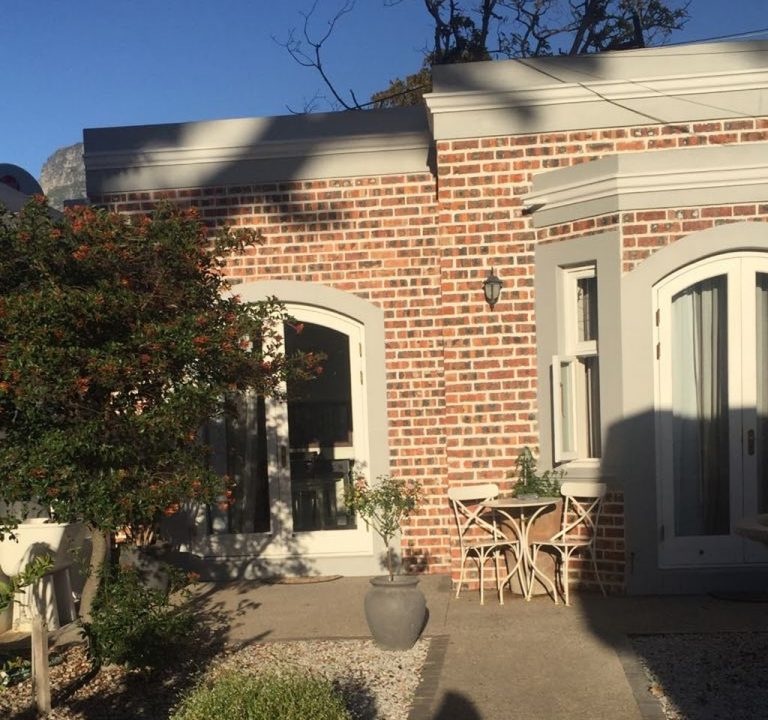
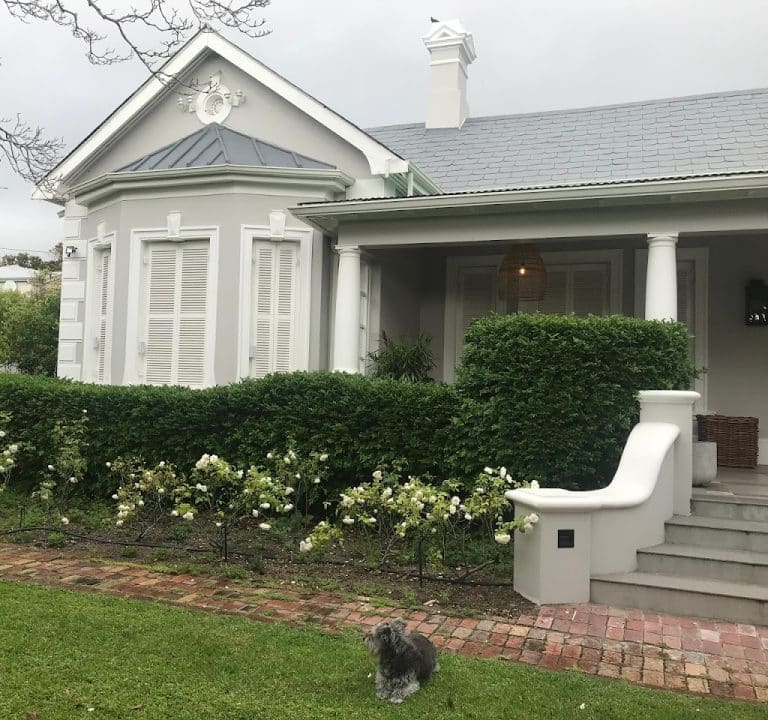
Example accommodation to illustrate variety is 1 on Mona B&B, a bed and breakfast-style property that demonstrates how a personalised stay can blend comfort with local charm. While researching options, look for thoughtful touches such as guest information on local transport, breakfast offerings, and guides to nearby attractions. A well-chosen base will help you navigate the city with ease, saving time and enhancing your overall experience of Cape Town and the Western Cape.
Planning a stay in Cape Town is about balancing location, comfort, and access to the places you most want to explore. Start by identifying two or three neighbourhoods that suit your pace, then compare properties that meet your must-haves—quiet rooms, breakfast, parking, and access to transport. Keep a flexible approach to dining plans and day trips, and you’ll be well placed to enjoy the city’s natural beauty, vibrant culture, and welcoming hospitality.
- City Bowl for walkability and urban culture
- Atlantic Seaboard for sea views and beach access
- Constantia and Kirstenbosch for gardens and wine routes
- Hout Bay and V&A Waterfront for harbour atmosphere