A guide to choosing accommodation and planning your stay in Cape Town
Cape Town sits at the southern tip of Africa, framed by the Atlantic Ocean and a landscape of mountains, parks and harbour wharves. When planning a visit, choosing the right area for your stay can shape your whole experience. Whether you favour a lively city centre base with quick access to museums and restaurants, or a seaside neighbourhood with sandy beaches and sunset views, Cape Town offers a broad spectrum of options for every traveller and budget.
Areas to consider include the City Bowl and neighbouring enclaves, where many boutique hotels, guesthouses and B&Bs cluster around heritage streets, cafés and cultural sites. The Atlantic Seaboard, stretching along the coast from Green Point to Camps Bay, is ideal for beach lovers and those seeking dramatic sea views, often with a cosmopolitan scene and stylish dining. Constantia and surrounds provide vineyard touches, tranquillity and easy access to nature trails, while Woodstock and the inner suburbs offer a creative, up-and-coming atmosphere with handy transport links and individual guesthouses. Noordhoek and Hout Bay feel more rural and relaxed, with long beaches and outdoor activities, a short drive from the city centre. Select your base with your planned activities in mind—whether you’ll be hiking Table Mountain, exploring the V&A Waterfront, or sampling fine dining and markets.
What to look for when booking includes the core amenities that shape comfort and convenience. A reliable hot water supply and efficient heating or air conditioning are essential, given Cape Town’s seasonal variations. Free Wi‑Fi, a generous breakfast, and parking options can significantly ease daily planning. If you value a personal touch, B&Bs and guesthouses often offer home-cooked meals and hosts who can share local tips on routes, markets and less-visited viewpoints. For families or groups, check room configurations, en-suite facilities, and communal spaces. If you travel for work or longer stays, a well-equipped kitchenette or access to laundry facilities can be a practical bonus.
Transport in Cape Town ranges from comfortable, reliable paid options to more independent travel. The MyCiTi bus network is convenient for inter‑neighbourhood hops and connections to major sights, while Uber and local ride-hailing services are widely available. For those staying near the coast, many routes offer scenic drives along the Atlantic seaboard. If you plan to visit Table Mountain or nature reserves, consider arranging a guided tour or consolidated transport, as some areas are best explored with a driver or a local guide. When booking, check whether the property provides easy access to public transport stops, parking space, or shuttle services, and ask about the best routes to popular attractions to avoid peak traffic times.
The best time to visit Cape Town hinges on what you want from your holiday. Spring (September to November) and autumn (March to May) are often praised for pleasant temperatures and lighter tourist crowds. Summer (December to February) brings longer daylight and vibrant outdoor events, but can be busier and pricier. Winter (June to August) is cooler and mistier, with occasional rains, yet it can be an excellent period for fewer crowds and dramatic sea and mountain scenery. Weather aside, planning around peak event periods—such as cultural festivals and major sporting events—helps you secure preferable accommodation and better dining options.
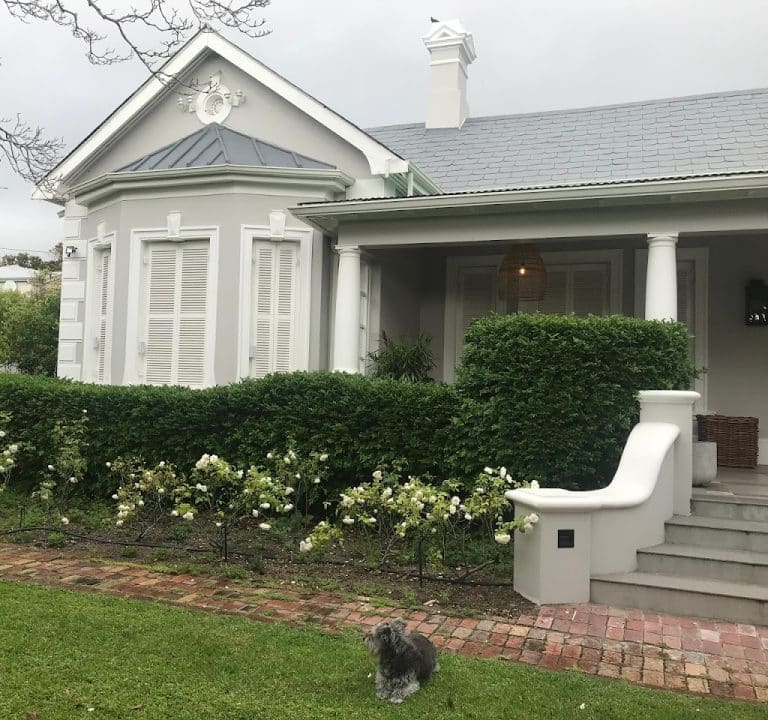
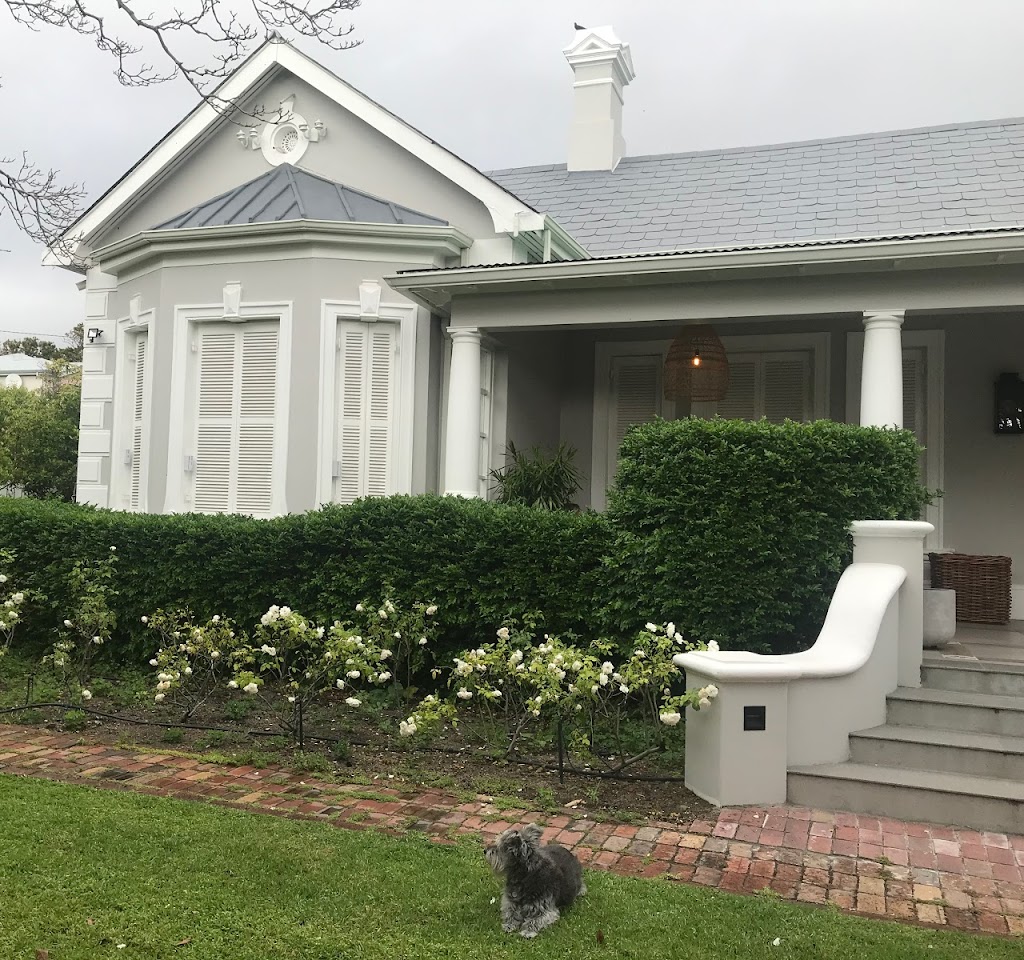
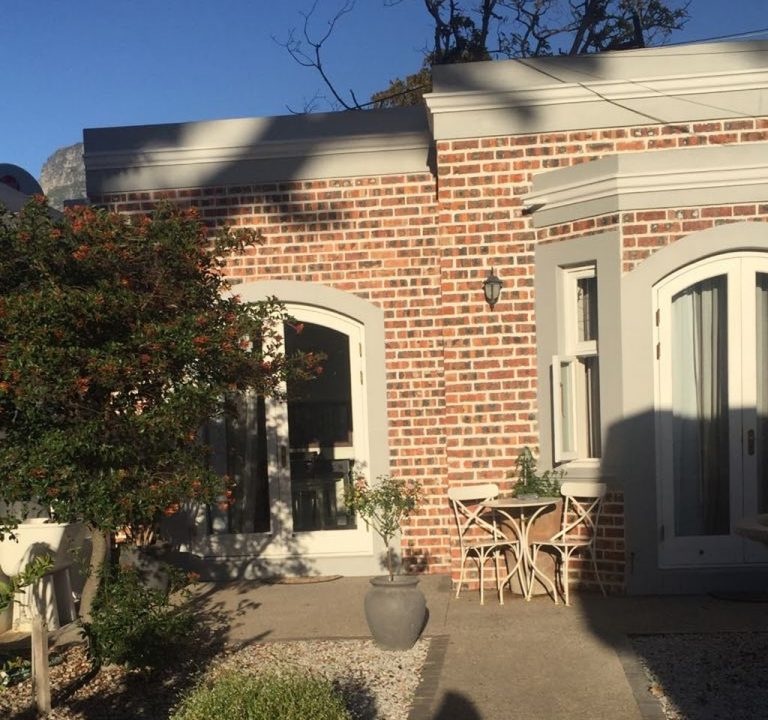
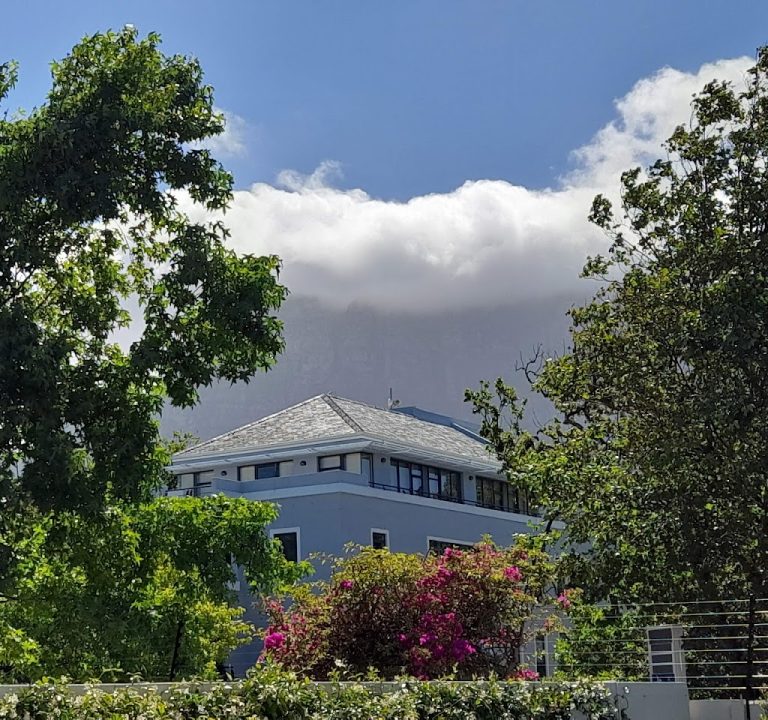
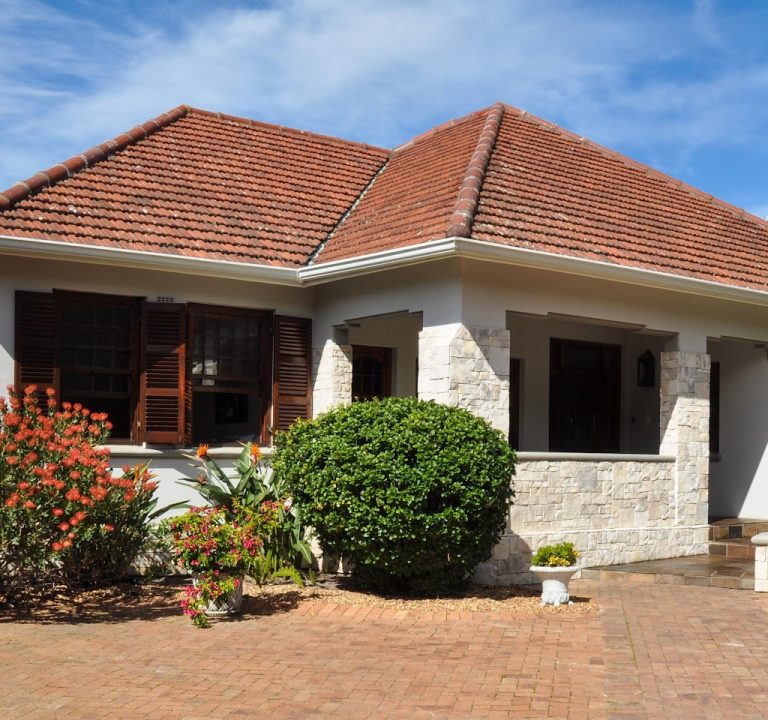
When selecting an accommodation type, consider the balance between local immersion and comfort. A bed & breakfast or boutique guesthouse like The Mona Lisa Newlands Guesthouse (a sample of the types of intimate stays available) can provide a cosy atmosphere, a personalised welcome, and insider tips about the neighbourhood. A modern hotel in the CBD or V&A district often offers a central hub for sightseeing, with on-site dining, fitness facilities and business services. A self-catering apartment or villa near the coast can deliver greater privacy and flexibility for families or longer stays. For nature lovers, a guesthouse on the Constantia valley lanes or around the Cape Peninsula offers easy access to hiking trails and scenic drives, paired with tranquil surroundings.
Typical amenities you may encounter include: comfortable bedding in well-maintained rooms, tea and coffee making facilities, daily housekeeping, secure access, and well-appointed bathrooms with amenities. Breakfast options vary from continental self-serve to full cooked offerings. Some properties provide curated experiences, such as guided walks, wine tastings, or market tours. Other useful features include flexible check-in/check-out hours, luggage storage, laundry facilities, and thoughtful extras like a rain cape for misty days or a sunlit veranda for al fresco breakfasts.
Useful tips for planning your stay in Cape Town:
- Book early for peak seasons and major events to secure preferred neighbourhoods and room types.
- Check elevation and gradient if you have mobility concerns, since some hills around the city are steep and streets can be uneven.
- Read recent guest reviews focusing on reliability of housekeeping, communications with hosts, and accuracy of property descriptions.
- Ask hosts for local dining recommendations, safe walking routes at night, and must-see viewpoints away from the crowds.
- Plan your must‑see attractions with sensible routes to minimise backtracking, especially when visiting coastal and mountain areas.
Beyond where you stay, Cape Town offers a wealth of visitor activities that fit varied interests. Iconic landscapes and outdoor adventures sit alongside vibrant markets, harbour walks, and a flourishing restaurant scene that emphasises Cape flavours and coastal produce. When planning your itinerary, balance time between nature, culture and waterfront leisure to create a well-rounded visit that captures the city’s diverse charm. For current travel planning, consult official tourism resources and local websites for practical information, opening hours, and seasonal variations, and enjoy your stay in this cosmopolitan and scenic corner of the Western Cape.