Exploring Cape Town: Where to stay, what to see, and practical tips for a great visit
Cape Town offers a diverse mix of accommodation options, from cosy guesthouses and self‑catering cottages to stylish boutique hotels and family‑run lodges. When planning a stay, consider the neighbourhood as much as the property itself: the city’s expanse spans dramatic coastlines, verdant hills and vibrant urban precincts. A well‑chosen base can shorten travel times to beaches, viewpoints and cultural sites, while giving you a flavour of everyday Cape Town life.
Areas to consider include the City Bowl for easy access to museums, markets and nightlife; the Atlantic Seaboard for scenic seascapes and beach days; Constantia for green valleys and wine estates; and the Southern Suburbs for a quieter, leafy ambience with convenient routes to the mountain, Kirstenbosch Gardens and the Constantia Winelands. If you plan day trips to Stellenbosch or Franschhoek, look for stays with good road connections and, if possible, easy parking or nearby transport links.
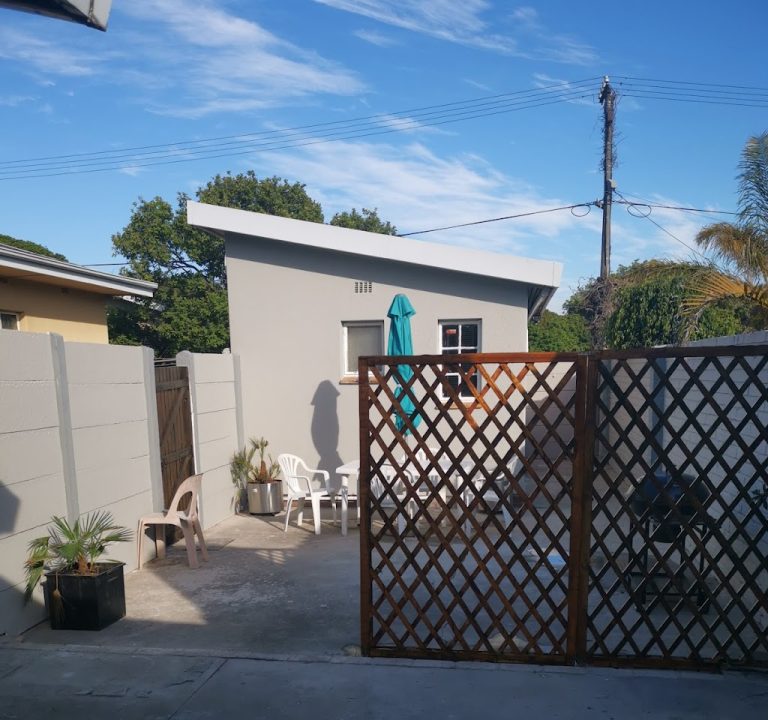
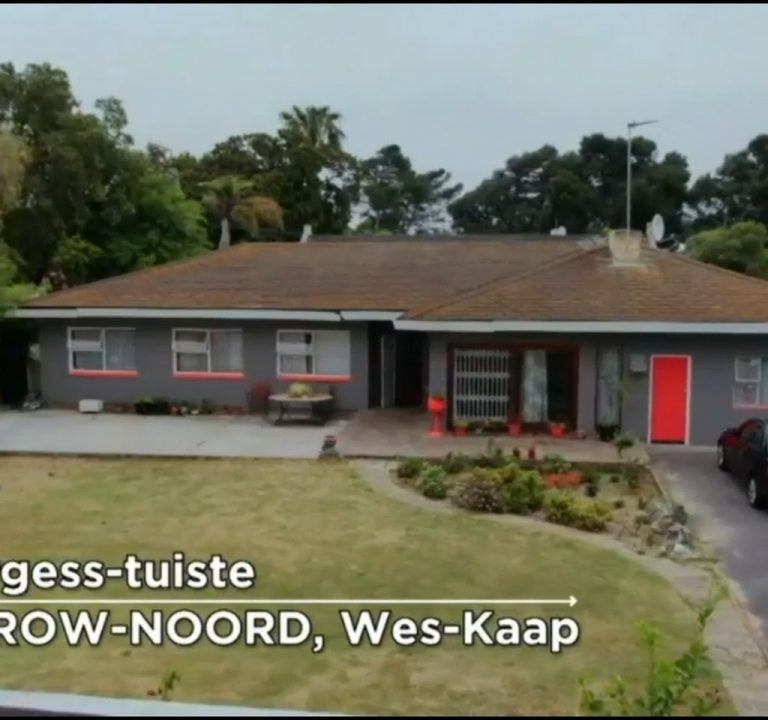
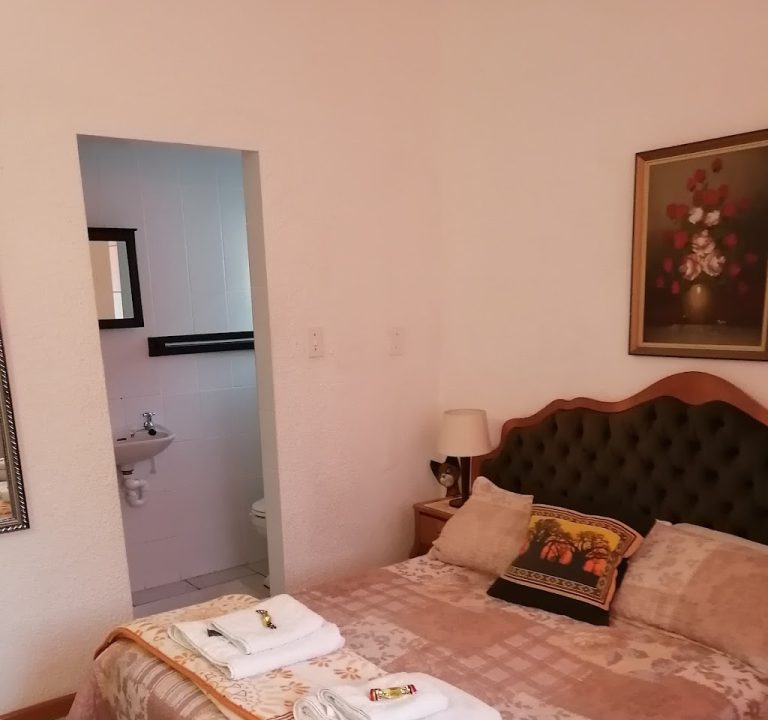
Look for host options that clearly state what is included, such as self‑catering facilities, daily housekeeping, or breakfast. Some properties offer flexible check‑in arrangements, which can be a real help after long flights or layovers. The Smiths Self Catering Guest Cottage, for example, is a recognised choice for visitors seeking a self‑catering option with the comforts of a guest house, and more information can be found on its website. When you book, verify what supplies are provided, whether there is a dedicated parking space, and if there are any shared facilities such as laundry areas or communal terraces.
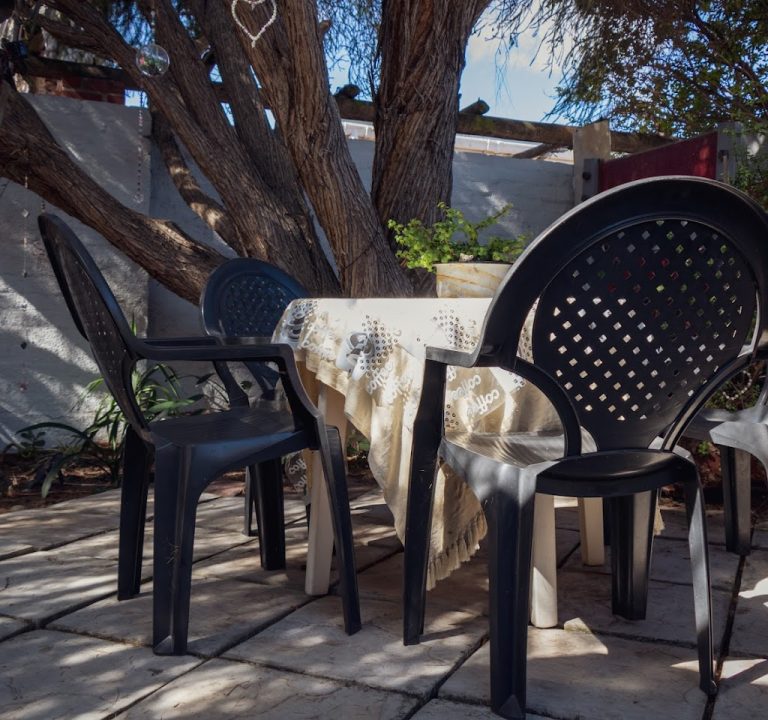
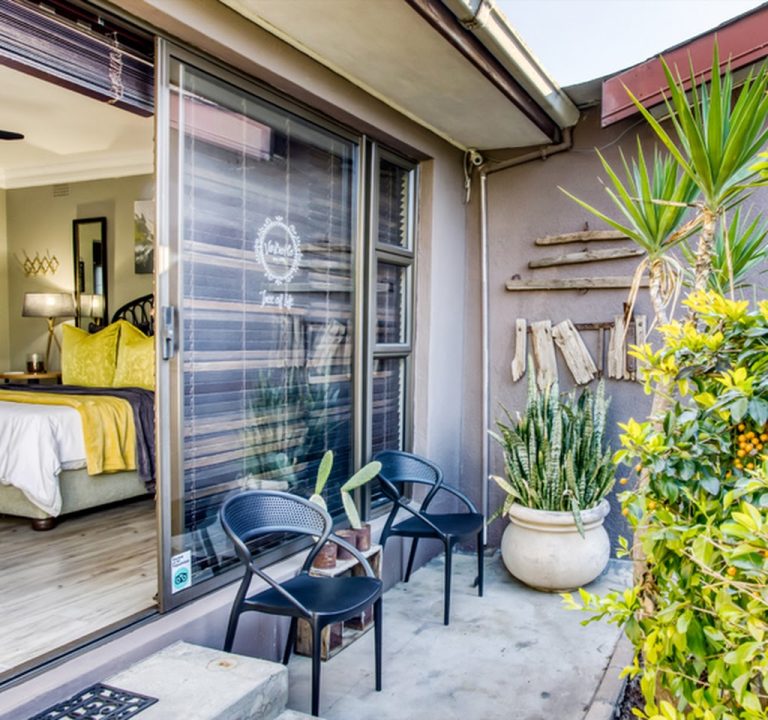
Typical amenities to look for include reliable Wi‑Fi, secure parking, heating or air conditioning for changing weather, and adequate security. A well‑equipped kitchen or kitchenette is essential for self‑catering stays, while en‑suite bathrooms and a pleasant outdoor space can greatly enhance comfort. If you’re travelling with family or a group, check for extra beds or sofa‑beds, and whether the property is accessible if anyone has mobility considerations. Reading reviews to gauge consistency, cleanliness, and the responsiveness of hosts or management is worth the time before confirming a booking.
- Proximity to major sights or easy transport links
- Clarity on what is included (breakfast, housekeeping, parking, Wi‑Fi)
- Flexibility with check‑in/out and cancellation policies
- Safety features such as secure entry and well‑lit surroundings
- Quality of kitchens or kitchenettes if self‑catering
Transport in Cape Town ranges from scheduled city services to private arrangements. The MyCiTi bus network provides relatively affordable urban coverage with routes linking popular neighbourhoods and the city centre. Taxis and ride‑hailing apps are widely available, though it’s prudent to confirm pickup details and expected wait times, particularly late at night. If you plan to explore the Cape Peninsula or winelands, renting a car offers the most flexibility. For short day trips, some guesthouses and lodges can arrange guided tours or transfers, which can be convenient and add local insight to your itinerary.
Best time to visit Cape Town depends on what you hope to do. The summer months (roughly November to February) bring long days, warm seas and vivid scenery, ideal for beach days and outdoor activities. Autumn and spring offer cooler but pleasant conditions with fewer crowds, perfect for hiking Table Mountain or exploring the city’s markets. Winter (June to August) can be windy and cooler, yet it often brings clear skies and dramatic coastal scenery; it is also a great time to enjoy cosy cafés and museums, with fewer queues at popular sights. Pack layers, sun protection for daytime outdoor activities, and a light rain jacket for occasional showers in shoulder seasons.
When planning activities, combine nature with culture. Iconic viewpoints, coastal walks, and the landscape of Table Mountain form the backbone of a Cape Town visit, while areas like the V&A Waterfront and streets of the city centre offer galleries, crafts, and contemporary dining experiences. You can explore the city’s history and neighbourhoods through guided tours or self‑guided routes that highlight architecture, markets, and public art. For a relaxed day, consider a stroll along a harbour or a scenic drive along the Atlantic coast, followed by a meal at a restaurant that emphasises seasonal produce and local flavours. Nearby Constantia and its hillside estates make pleasant day trips for wine lovers or picnics with views over the valley and cape‑front settings.
Practical tips for a smooth stay:
Booking smartly means balancing price with convenience, and reading recent guest feedback helps you gauge how a property performs in real life. If staying in a self‑catering cottage or guesthouse, check the cleanliness of shared spaces and the availability of mess fees or extra charges for late arrivals. Consider whether you’ll need a vehicle, as some coastal areas are best reached by car, while central districts are walkable with occasional transit hops. Keep in mind local safety considerations and plan outings with daylight hours in mind, especially if you’ll be returning after dark to quieter neighbourhoods.
Cape Town rewards travellers who mix well‑chosen stays with well‑planned days. A well‑located base, comfortable amenities, and clear information from your host — plus a mindful approach to transport and safety — can make a three‑to‑five day visit feel easy and rewarding. For more information on suitable stays, including practical details and links to accommodation providers, you can explore local listings and the booking pages of venues such as The Smiths Self Catering Guest Cottage at their dedicated site.