Cape Town: Where to Stay, What to Do, and How to Plan Your Visit
Cape Town sits at the southern tip of Africa and blends rugged natural beauty with a cosmopolitan edge. Whether you are seeking a quiet coastal retreat, a stylish city base, or a countryside escape just outside the urban bustle, the region offers a wide range of accommodation to suit all tastes and budgets. When planning a stay, it helps to think about which neighbourhoods you favour, what pace you want, and how you will get around to make the most of your time.
Accommodation in Cape Town ranges from intimate guesthouses and cosy bed-and-breakfasts to contemporary boutique hotels and self-catering apartments. A classic choice for first-time visitors is a guesthouse in a leafy suburb with easy access to the city's sights, friendly service, and breakfast options that showcase local flavours. A well-run B&B can offer personalised recommendations, help with itineraries, and a comfortable home base after day trips along the coast or up into the hills. For those who prefer more privacy, serviced apartments or boutique hotels with kitchen facilities and flexible check-in can be ideal, especially for longer stays or family trips. If you are travelling with a partner or a small group, consider a guesthouse that emphasises a relaxed atmosphere and a good breakfast, paired with secure parking and nearby cafés or restaurants.
Key areas to consider include:
- V&A Waterfront and the central city: convenient for museum visits, harbour views, and easy access to hop-on tours.
- Green Point and Sea Point: a lively stretch along the Atlantic Seaboard with promenades, beaches, and a range of dining options.
- Simon’s Town and the False Bay coast: ideal for coastal scenery, penguin colonies, and quieter neighbourhoods.
- Constantia and the Constantia Valley: perfect for wine enthusiasts and scenic wine estates, with a more relaxed pace.
- Cape Malay Quarter or the Bo-Kaap: rich in culture, colour, and convenient access to the city’s historic heart.
When booking, look for a few practical amenities that can make a big difference. A reliable breakfast is a standout feature in many Cape Town guesthouses and B&Bs, with options ranging from continental to hot fully cooked meals. Free, well-labelled Wi-Fi is useful for planning day trips and staying connected, while off-street parking is valuable in busy districts. If you plan to visit Kirstenbosch Botanical Gardens, Table Mountain, or the Cape Peninsula, ask about proximity to reputable transfer services or public transport links. A host who can provide accurate advice on safe travel routes, local markets, and current favourite dining spots can greatly enrich your stay.
For those hiring a car, ensure the accommodation provides secure parking and advises about parking rules in the neighbourhood you choose. Cape Town’s public transport includes MyCiTi bus services and rail connections that can be convenient for certain routes, though many visitors prefer the flexibility of a car or a licensed driver for sea-to-mountain explorations. If you’re staying near the coast, you’ll want a flexible plan for weather and wind conditions, especially in spring and autumn when sea breezes can influence outdoor activities.
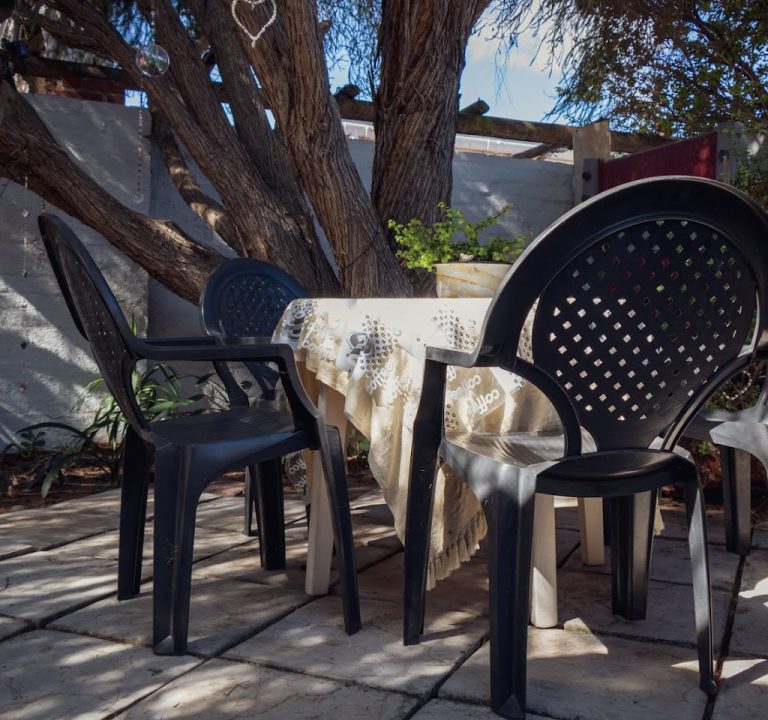
Typical amenities to expect at well-run guesthouses and hotels include comfortable en-suite rooms, quality bed linens, heating or cooling as appropriate for the season, and a good water supply. Some properties offer shaded outdoor seating, a pool, or a shared lounge where travellers can swap recommendations. Many small guesthouses also include or organise guided experiences, such as a neighbourhood walk, a wine-tasting excursion, or a drive along the coast with a local driver-guide. Always check what is included in the rate, what constitutes breakfast, and whether there are any extra charges for daily cleaning, parking, or late check-in.
The best time to visit Cape Town is generally during the late spring and autumn shoulder seasons, when the weather is mild and the crowds are thinner than in peak summer. December to February brings warmer days and bolder colours, but you may also encounter higher prices and more visitors. If you are drawn to outdoor adventures—hiking, beaches, and marine wildlife—plan some flexibility to accommodate changes in weather, particularly in winter when conditions can be unpredictable and seasons shift rapidly on the coast.
When planning activities, balance your itinerary with time to simply enjoy street life, markets, and café culture. Iconic sights such as Table Mountain, Robben Island, and the Cape Point reserve deserve advance planning, but you’ll also find numerous lesser-known viewpoints and local eateries that reward curiosity. For a well-rounded visit, allow a few hours to explore neighbourhoods on foot, sample fresh seafood or traditionally prepared dishes, and wander through markets and art spaces that highlight local crafts and design.
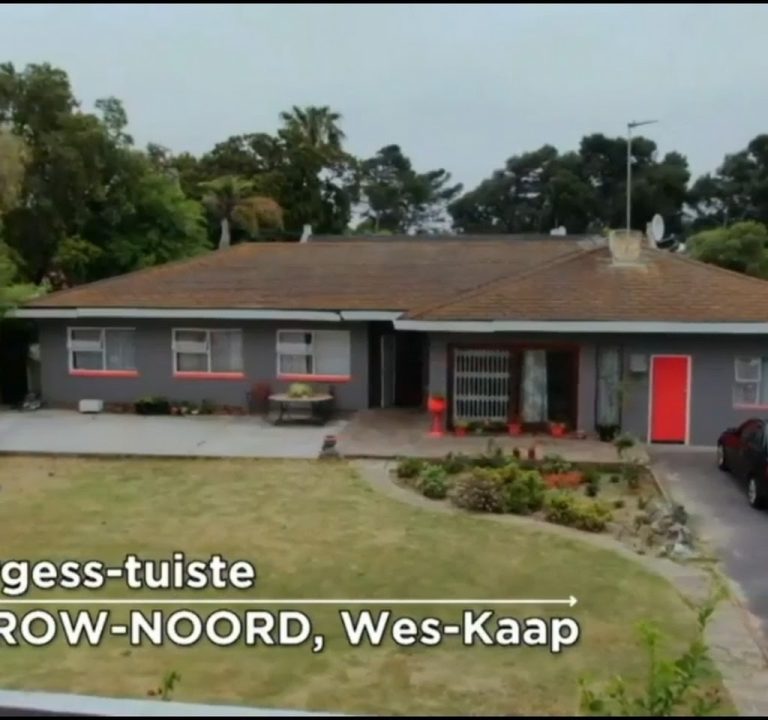
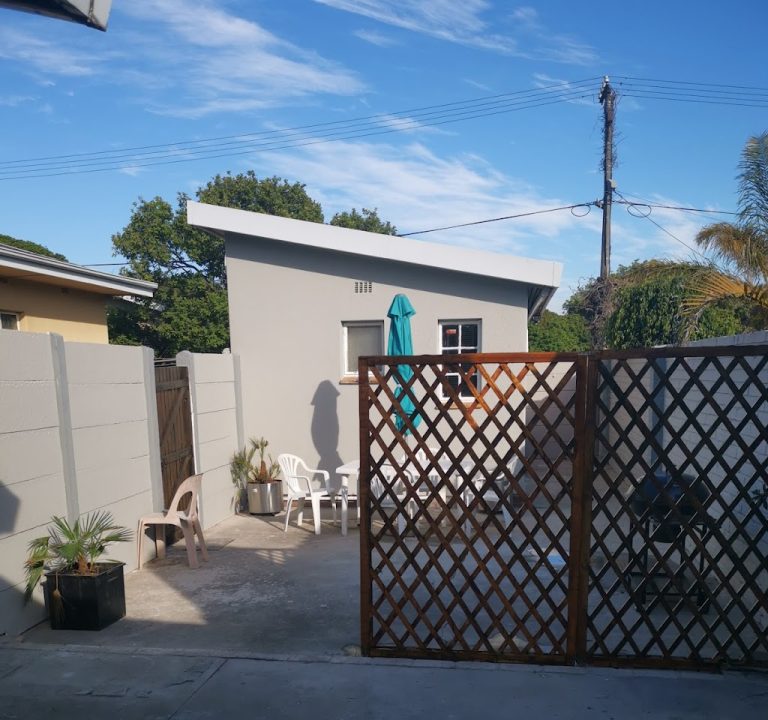
Example of an inherited accommodation option with a singular local character is Julina’s Guest House, a charming bed-and-breakfast that has carved a niche for guest comfort and friendly hospitality. For more information, travellers can explore the property’s website to learn about room types, breakfast arrangements, and location details, as well as nearby attractions and transport options.
Ultimately, your Cape Town stay can be as restful or as action-packed as you wish. By selecting a neighbourhood that fits your pace, confirming practical amenities, and planning around weather and transport, you can enjoy a well-balanced visit that reveals both the city’s dramatic scenery and its welcoming, flavourful culture. Breeze through booking decisions with clear expectations, and you’ll be ready to discover coastlines, mountains, markets, and memorable dining experiences that define this Southern African metropolis.