Staying in Pretoria: Where to stay, what to plan, and how to make the most of Gauteng’s capital
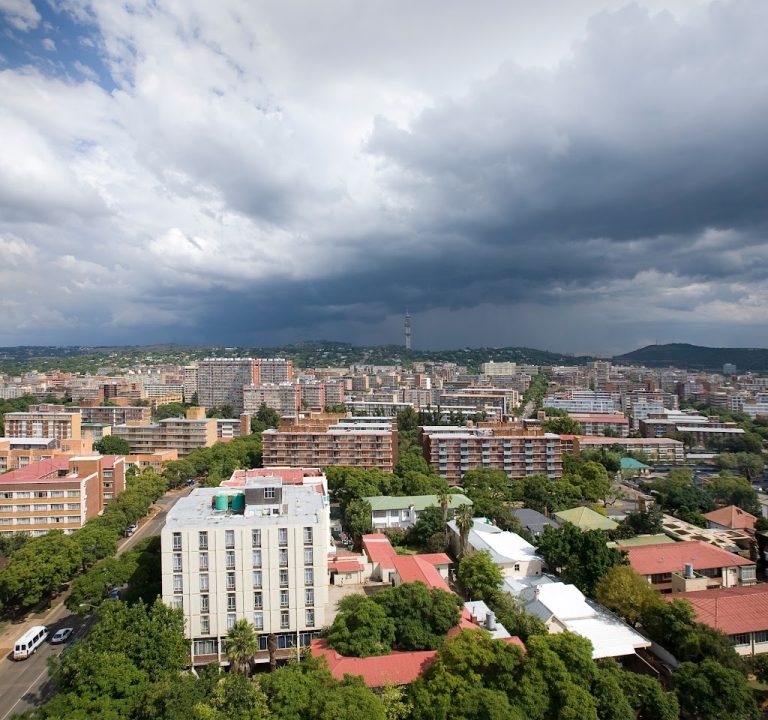
Pretoria, the administrative heart of South Africa, blends leafy suburbs, striking architecture and a lively cafe culture. When planning a stay, consider the city’s distinct neighbourhoods, each with its own character and access to different attractions. From central, quieter streets near government precincts to breezy, tree-lined suburbs with boutique guesthouses, Pretoria offers a range of options for travellers seeking comfort, convenience and a touch of local flavour.
Areas to consider include the central business district, which is convenient for business visits and major government buildings, and the eastern suburbs, where several well-appointed guesthouses and boutique hotels sit close to embassies, markets, and museums. If you prefer a calm, residential vibe with easy green spaces, the northern and south-eastern suburbs host garden estates, guesthouses and family-friendly lodges with generous rooms and parking. For a scenic stay, look for properties near the foothills of the Magaliesberg or along jacaranda-lined streets, depending on the time of year you visit and the shade you desire.
When booking, a few practical checks can improve your stay. Look for properties with on-site parking or reliable shuttle options to key sights, especially if you plan to explore both the city and its surroundings. Check the sleeping arrangements—whether the room type suits your party size, if breakfast is included, and whether there are self-catering facilities or guest lounges for informal gatherings. Reviews can reveal consistency in housekeeping, responsiveness of staff and how well the property handles peak travel periods. If you’re travelling with family or a group, enquire about connecting rooms, suites, or larger apartments to maximise comfort and value.
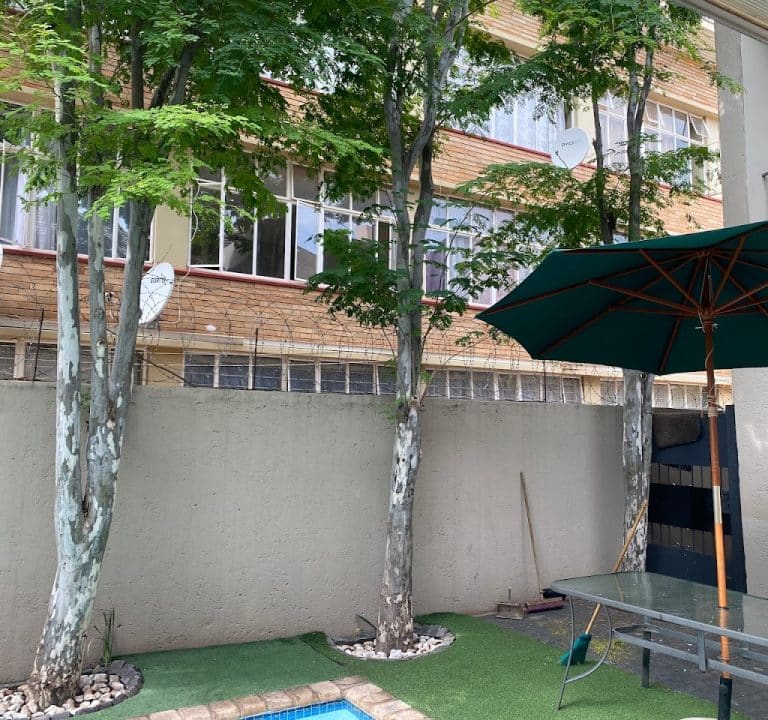
Typical amenities to expect in Pretoria’s accommodation scene range from comfortable en-suite bedrooms and free Wi-Fi to secure parking, 24-hour reception, and curated local recommendations. Many properties offer a continental or cooked breakfast, which can save time ahead of day trips. Other perks to look for include heated pools or outdoor spaces for sunny days, gym access for some light exercise, and well-equipped kitchens or kitchenettes for self-catering guests. A few boutique hotels will feature stylish common areas, resident bars or cafés and on-site dining that reflects South African flavours with a modern twist.
Transport in Pretoria is straightforward but planning helps. The city has a number of major arterial routes, with several districts served by taxi services, ride-hailing apps and bus routes. If you’re staying in central Pretoria or near major museums and government precincts, you’ll often be within a short Uber or taxi ride of many attractions. Renting a car is convenient if you plan to visit the Magaliesberg foothills, wildlife reserves or nearby towns; some properties offer easy access to parking facilities and interesting day trips. For visitors relying on public transport, check the proximity of your stay to main bus stops or city centre hubs, and be aware of peak-hour traffic patterns that can affect travel times.
Best time to visit Pretoria depends on what you want from your trip. The city experiences a temperate climate with warm summers and mild winters. Spring (September to November) brings colourful jacaranda blooms that brighten parks and avenues, while autumn (March to May) offers pleasant temperatures for outdoor exploration. Winter is cool but generally dry, which can be ideal for museum visits and city walks, whereas summer brings the chance of afternoon showers. If you’re seeking outdoor activities, plan accordingly and check local event calendars for cultural festivals or markets that showcase regional crafts and foods.
Attractions in and around Pretoria are diverse and can suit a range of interests. In the city, you’ll find stately architecture, botanical gardens, and prominent museums that provide insights into the region’s history and biodiversity. Nearby natural areas offer scenic trails, birdwatching, and viewpoints that are perfect for a relaxed day trip. Depending on your pace, you can weave together a few cultural stops with outdoor time, allowing for a balanced itinerary. Dining options reflect South African flavours, with a mix of contemporary eateries and traditional-inspired venues where you can sample regional dishes in relaxed settings. When planning meals, you may prefer hotels with in-house restaurants or nearby neighbourhood cafés and bistros that emphasise fresh, seasonal ingredients and a friendly, local atmosphere.
Practical tips to help you enjoy Pretoria more fully:
- Book in advance for peak periods, especially during school holidays and long-weekends, to secure preferred room types and rates.
- Ask your host or hotel about safety tips and the best transport options to key sights, including hours of operation for attractions and markets.
- Pack layers for variable weather, plus comfortable walking shoes for urban strolls and park visits.
- Consider combining a city stay with a day trip to the Magaliesberg or adjacent towns for a wider sense of Gauteng’s landscapes.
- Choose accommodation with clear cancellation terms and flexible booking options in case plans change.
In summary, Pretoria’s accommodation sector supports a broad range of travellers, from solo explorers seeking convenience to families and groups chasing comfort and easy access to culture and nature. By focusing on the neighbourhood that aligns with your interests, evaluating room configurations and amenities, and planning transport ahead of your stay, you can craft a well-paced itinerary that makes the most of your time in South Africa’s vibrant capital. For inspiration and direct planning, many properties publish up-to-date details and guest reviews on their official websites, where you can compare options and identify the right fit for your visit to Pretoria.