Where to Stay and What to Do: A Traveller’s Guide to Pretoria, Gauteng
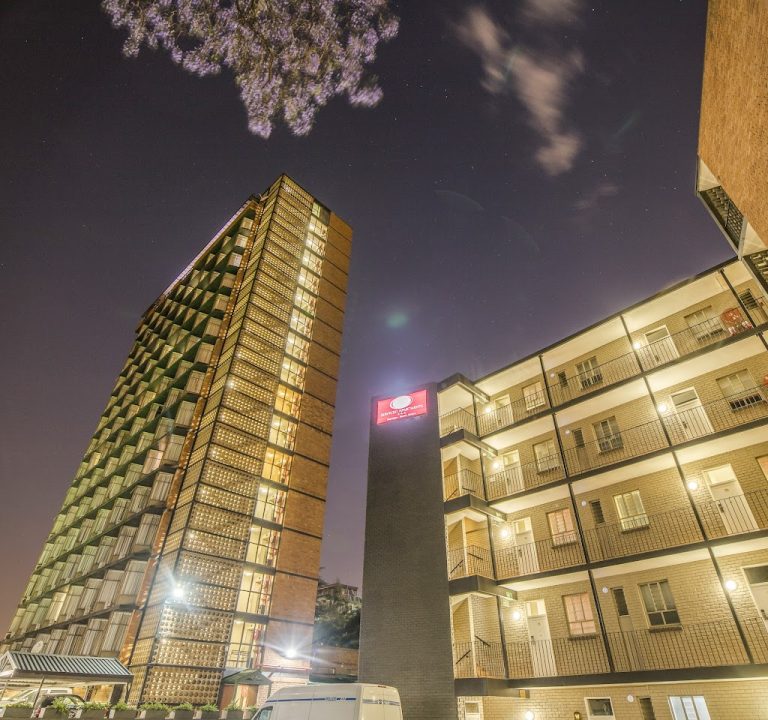
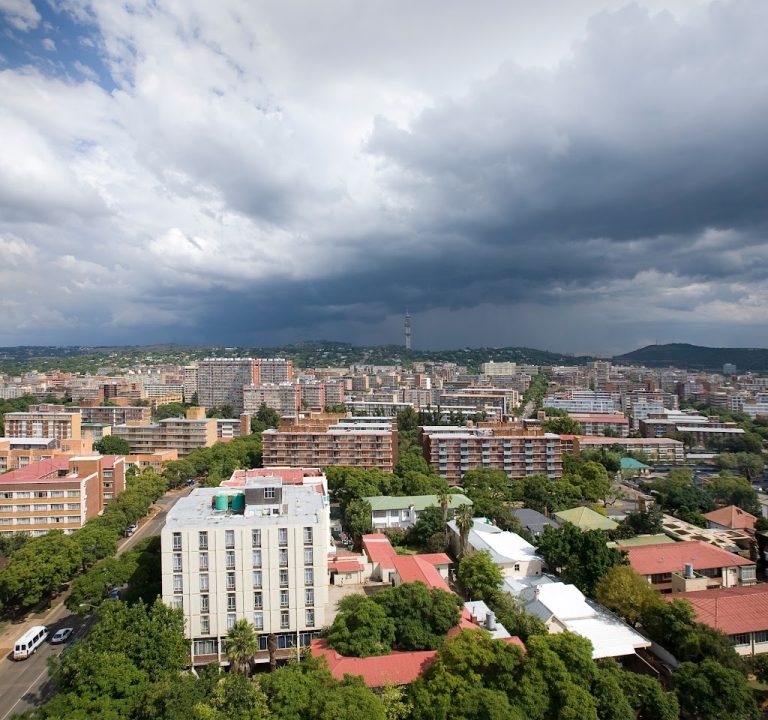
Pretoria, the administrative heart of South Africa’s Gauteng province, offers a mix of leafy ambles, architectural charm, and modern comforts. When planning a stay, consider areas that suit your pace and interests—from easy access to central attractions to calmer residential neighbourhoods with boutique stays and guesthouses. Pretoria’s accommodation tends to range from stylish hotels and serviced apartments to intimate guesthouses and lodges, many with garden views, pool areas, and easy access to public transport or car routes.
Key areas to consider include the central government precinct and its surrounds for heritage walks, the tree-lined suburbs of Hatfield and Brooklyn for a lively dining and nightlife scene, and the eastern suburbs such as Menlyn and Waterkloof for modern malls, green spaces and quieter streets. Arcadia is convenient for those who want to be close to embassies and historical sights, while Pretoria East often offers larger properties with more space in a tranquil setting. When booking, think about how you’ll get around: a car is handy for exploring outlying sights, but many hotels and guesthouses are within reach of Gautrain stations, taxi services, or reliable ride-hailing apps for short trips into the city centre or specific attractions.
Typical amenities to look for include free Wi‑Fi, secure on‑site parking, breakfast options, and friendly staff who can offer local tips. In Pretoria, you’ll find a broad spectrum of choices: intimate guesthouses with personalised service, mid-range hotels with well-equipped rooms, and serviced apartments that provide a home-from-home feel with the convenience of hotel services. If you’re travelling with family or a group, a serviced apartment or boutique lodge with kitchen facilities can be more economical and comfortable for longer stays. As with many South African destinations, consider a property with good security, reliable hot water, comfortable bedding, and options for late check‑in if you’re arriving after hours.
Best time to visit Pretoria often aligns with outdoor appeal: spring (September to November) and autumn (March to May) offer pleasant temperatures for park walks and garden visits. The jacaranda season, typically October to early November, paints the city in a sea of purple blooms and is particularly magical in the road-lined avenues and university suburbs. Summers can be warm, with occasional showers, while winter (June to August) is generally mild but cooler at night. If you’re chasing events, weekends may bring markets, food stalls, and cultural happenings, so it’s wise to book early for those periods.
Attractions in and around Pretoria are easy to weave into a relaxed itinerary. You can start with grand public spaces that showcase the city’s political and colonial history, followed by serene nature spots such as botanical gardens and well-kept parks. Cultural venues, museums and galleries offer indoor exploration if you need a break from outdoor comfort. Families and curious visitors often enjoy a day trip to nearby natural reserves or scenic viewpoints that highlight the region’s landscapes without requiring long drives. Where feasible, plan a day that combines a walking stroll in a garden setting with a light lunch or coffee at a nearby café.
Food and dining in Pretoria reflect a mix of traditional flavours and contemporary trends. In central areas you’ll encounter casual bistros, outdoor cafes and more formal dining rooms that showcase local ingredients. As a general rule, look for places that emphasise fresh produce, clear neighbourhood character, and service that accommodates visitors with varying dietary preferences. Many hotels and guesthouses offer curated breakfast options or can recommend reliable eateries within walking or short taxi distance. If you’re staying in a serviced apartment or contemporary hotel, you may also enjoy the convenience of mix-and-match meal choices, from quick bites to full restaurant experiences.
Getting around efficiently is part of the planning. If you fly into Johannesburg, you can connect to Pretoria by train (Gautrain and other rail services) or by road via major highways. Public transport within Pretoria is workable for short hops in the city, but a car provides the most freedom for exploring the wider area, especially if you want to visit nature reserves, lookout points, or multiple neighbourhoods without sticking rigid schedules. For airport transfers, check with your accommodation about their shuttle options or reliable local services. Safety is always worth considering: keep valuables secure, stay aware of your surroundings, and choose accommodation with well-lit entrances and on-site staff or reception.
Practical planning tips for a smooth stay:
- Book in advance for jacaranda season and long weekends, as demand tends to rise.
- Ask about on-site parking, security features, and late check-in procedures when booking.
- Request local recommendations for day trips, markets, and less-touristed neighbourhoods to avoid peak crowds.
- Check if your accommodation can assist with a light breakfast or packed lunches if you plan outdoor activities.
- Confirm driving routes and parking rules in advance, especially if staying near central districts with traffic restrictions.
For ideas and inspiration on where to stay and what to do, consider visiting regional tourism sites or browsing the property pages of reputable hotels and guesthouses in Pretoria. Whether you prefer a quiet garden setting, a stylish city-centre stay, or a boutique lodge close to nature, Pretoria offers a varied stage for a memorable Gauteng visit. More detailed planning can help you tailor your stay to the tempo you want—whether you’re chasing a relaxed break, a cultural itinerary, or family-friendly adventures in this vibrant city.