Accommodation and Experiences in Pretoria, Gauteng: A Practical Guide for Visitors
Pretoria, the administrative heartbeat of Gauteng, blends leafy neighbourhoods, contemporary hotels, and well-curated guesthouses with a rich tapestry of museums, parks, and eateries. Whether you’re seeking a boutique stay in central Arcadia, a family-friendly base near the university, or a peaceful retreat close to nature, the city offers options to suit a range of preferences and budgets. Planning well in advance helps you strike the right balance between comfort, convenience and price.
When choosing where to base your stay, consider the character of neighbourhoods and their proximity to key attractions. Central districts offer easy access to government buildings, historic sites, and bustling dining streets. Suburban pockets provide a more residential feel, often with spacious rooms, calmer streets, and better parking. For a blend of convenience and atmosphere, you might look for properties in or around Menlyn, Hatfield, Erdross, or the southern suburbs, each with its own charm and transport links. If you value a quiet retreat, look for guesthouses or lodges set back from main roads, with gardens and secure parking.
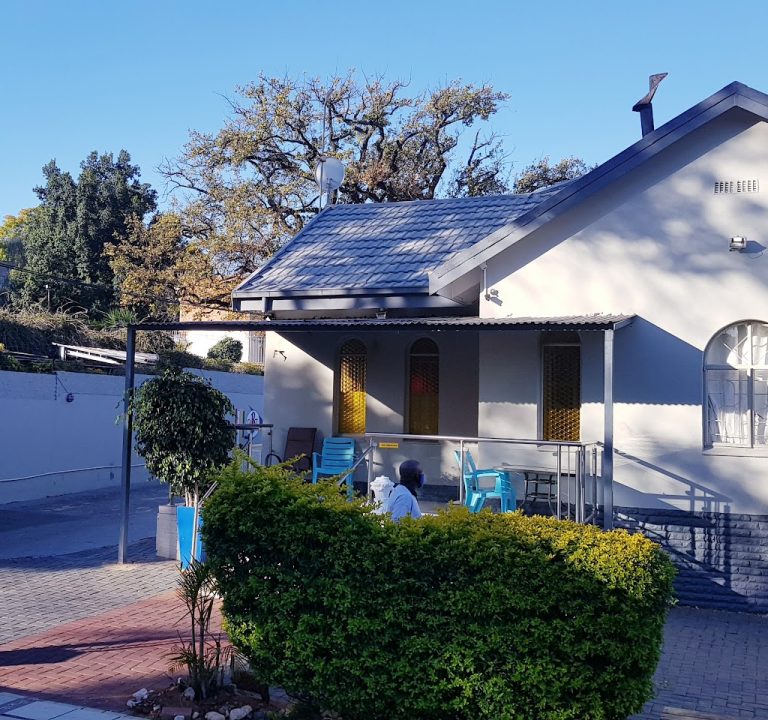
Henry George Guest House, as an example of a city stay, illustrates how a thoughtfully run property can pair comfortable rooms with a friendly, personalised approach. When browsing similar venues, pay attention to a few practical factors that influence a smooth visit:
- Location relative to your planned activities and preferred transport options.
- Clear information about parking, access to public transport, and recommended walking routes.
- Room configurations suitable for your group, including ensuite bathrooms and reliable heating or cooling.
- Thoughtful amenities such as reliable Wi‑Fi, breakfast options, secure storage for luggage, and clean communal spaces.
- Cancellation policies and flexibility, especially if your travel dates may shift.
Typical amenities across Pretoria’s accommodation spectrum include breakfast service ranging from self‑catering to full hot meals, free Wi‑Fi, safe parking, and daily housekeeping. Hotels in the city centre often provide on‑site restaurants or easy access to a cluster of eateries. Guesthouses and boutique lodges frequently emphasise personalised service, intimate common rooms, and garden areas where you can unwind after a day of exploring. If you’re travelling with family or a group, look for larger suites or rooms with multiple beds, plus convenient access to childcare facilities or kid‑friendly spaces where available.
Transport is a practical consideration for most visitors. Pretoria’s roads can be busy, especially during peak hours and on major business routes, so it helps to choose a base with straightforward access to main arterials or with convenient taxi or ride‑hailing options. If you plan to explore on two wheels or on foot, confirm the neighbourhood is walkable and that there are safe, well‑lit routes to nearby cafés, parks and attractions. For day trips outside the city, booking a property with easy access to major roads or with staff who can arrange reliable transfer services can make a big difference.
Peak seasons in Pretoria typically align with South Africa’s school holidays and major public holidays, when demand for accommodation rises. The city experiences a pleasantly mild climate in late spring and autumn, with cooler evenings in winter. If you prefer to avoid crowds, consider shoulder periods in March or early autumn; if you want to enjoy outdoor spaces and gardens, spring is ideal. For indoor‑oriented plans, winter months can be good for museum visits and culinary experiences, as museums and dining venues remain comfortable and active year‑round.
When it comes to planning activities, Pretoria’s attractions span history, culture, and nature. Key cultural sites and monuments provide context about South Africa’s past, while botanical gardens and nature reserves offer green spaces for strolls and picnics. Museums and galleries are usually well signposted around the central districts, making it easy to curate a day that weaves architecture, art and heritage together. For dining, most visitors find that choosing a few well‑reviewed neighbourhoods or precincts gives access to a range of cuisines and atmospheres, from casual cafés to more formal restaurants. Rather than singling out individual venues with claims or prices, a practical approach is to check recent guest reviews and menus to find places that align with your tastes and budget.
Practical tips to help you maximise your stay include booking with some flexibility, especially during weekends and holidays when rooms can fill quickly. Confirm what is included in your rate—whether breakfast is continental or cooked, and whether there are supplementary charges for activities, parking, or late check‑ins. Arrange airport or station transfers in advance if you have a timetable to meet, and always communicate any accessibility needs or special dietary requirements to your host or hotel ahead of arrival. Finally, leave time for spontaneous discoveries: a relaxed morning in a city garden, a stroll through a market or pedestrian street, and an evening meal in a lively precinct can be the most memorable parts of your trip.
For more information about Pretoria and Gauteng as a travel destination, you can visit the official tourism pages which offer practical planning advice, suggested itineraries and general visitor information. Whether you prefer polished boutique stays, modern hotels, or characterful guesthouses, Pretoria provides a hospitable base from which to explore South Africa’s political heart and its diverse attractions.