Johannesburg: a practical guide to accommodation and experiences
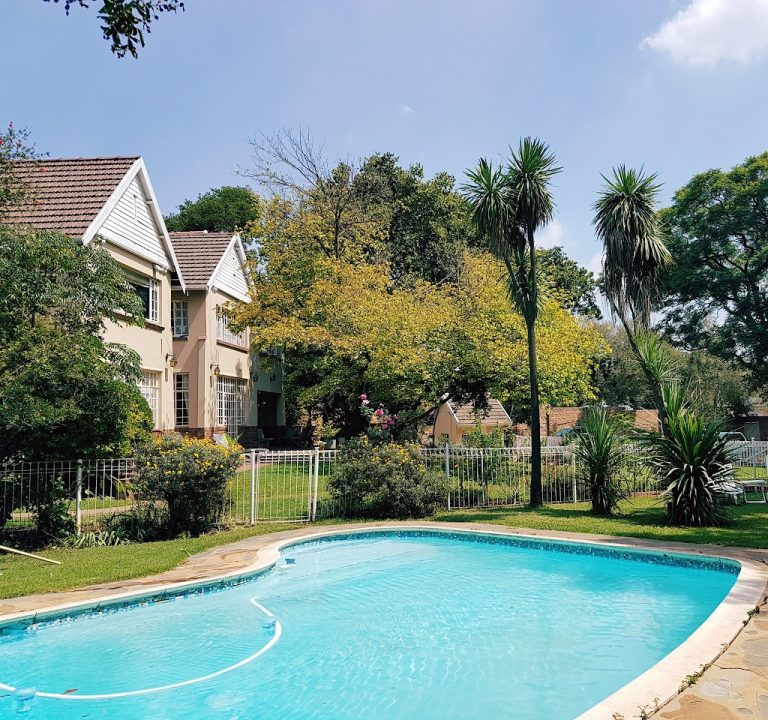
Johannesburg, or Jo’burg, offers a diverse mix of places to stay and ways to explore the city. When planning a visit, consider neighbourhoods that suit your style, from the leafy, business-friendly corridors of Sandton to the cosmopolitan buzz of Rosebank and the artsy lanes of Braamfontein and Maboneng. A guest house such as The Oakland Boutique Lodge can provide a welcoming base with a personal touch, while stylish hotels and contemporary apartments near central hubs give easy access to sights and transport links.
Accommodation options in Johannesburg range from intimate guest houses and boutique lodges to mid-range hotels and modern apartment hotels. Look for properties that clearly state the type of stay, whether it is a guest house with personalised service, a bed-and-breakfast atmosphere, or a contemporary boutique hotel. Pay attention to guest reviews that mention cleanliness, warm hospitality, and helpful staff—these are often telling indicators of a smooth stay. In many cases, the best value comes from properties that balance a comfortable room with thoughtful extras, such as secure parking, reliable Wi‑Fi, in-room tea and coffee facilities, and 24‑hour reception or on-site staff who can offer local tips.
When booking, consider the following practical aspects:
- Location: Proximity to major sights, business districts, or preferred transport routes can save time and reduce travel stress.
- Transport access: Are there taxi services, ridesharing options, or convenient access to Gautrain links? Check if the property provides advice on safe local transport after dark.
- Facilities: Is there breakfast included, a communal lounge, laundry facilities, or a small kitchenette if you’re staying for a while?
- Security: Johannesburg places a premium on secure access and safe surroundings. Look for well-lit entrances, secure parking, and clear safety guidance from the host or front desk.
- Parking and accessibility: Free parking or easy street parking can be essential if you’re hiring a car, while steps or lifts may matter for mobility needs.
Typical amenities you might encounter include comfortable en-suite rooms, quiet workspaces for business travellers, and common areas that encourage socialising or relaxation after a busy day of sightseeing. Night-time safety is worth noting in some districts, so reading recent guest reviews about neighbourhood vibe can help you decide where to base yourself. Restaurants and cafés on-site or nearby can significantly enhance the convenience of a short break or a longer stay, especially if you prefer a low-effort plan that still offers variety.
Johannesburg is best explored with a flexible plan. In the central and northern areas, you’ll find ease of access to a cluster of museums, galleries, markets, and restaurants, while the southern and township areas offer cultural experiences that reveal different facets of South Africa’s history and daily life. If you’re planning longer stays, it’s useful to factor in a day for a guided neighbourhood walk, a visit to a heritage site, or a market morning to sample local flavours and crafts. For a balanced itinerary, combine a city centre or northern suburb stay with day trips to notable parks or nearby hilltops for views over the city.
Best time to visit Johannesburg depends on what you want from your trip. The city enjoys a mild autumn and spring, with winter offering little rain and summer bringing afternoon thunderstorms. If you favour outdoor activities, late autumn through early spring (April to September) often provides comfortable weather for exploring parks, reserves, and urban terraces. To avoid peak heat and crowds at popular indoor attractions, consider morning visits to museums and galleries before lunch, followed by relaxed afternoons at urban markets or shopping districts.
Attractions and experiences in general terms include engaging museums and galleries that tell South Africa’s story, large urban parks that invite a stroll, and vibrant precincts where local cuisine and music thrive. Dining options span casual eateries, modern bistros, and long-standing establishments where chefs showcase contemporary takes on South African flavours. Rather than fixed names, seek recommendations for areas with a lively restaurant scene and family-friendly or stylish venues to suit your mood and budget. If you’re interested in heritage and culture, look for guided tours or organiser-led experiences that can offer context and access to places not always open to the public.
Transport within the city is well supported by ridesharing, taxis, and a growing network of public transit, including rail connections to surrounding towns. When planning day trips, verify the latest schedules and travel times, and consider booking a guided excursion for a deeper understanding of the sites you visit. For a relaxed end to the day, many accommodation options offer easy access to local eateries and rooftop or terrace spaces where you can unwind after a day of discovery.
Useful planning tips:
- Book in advance for popular periods, especially if you want a particular boutique guest house or a central location.
- Read recent guest feedback about safety, neighbourhood character, and convenience to transport links.
- Check for flexible cancellation policies in case plans shift.
- Prepare a rough daily plan with a mix of cultural, culinary, and leisure experiences to keep the trip balanced.
Overall, Johannesburg rewards travellers who combine comfortable, well-situated accommodation with an open-hearted approach to exploring the city. With careful planning around where you stay, how you move, and what you prioritise to see and eat, you can enjoy a memorable stay that reflects the warmth and diversity of Gauteng.