Johannesburg: Where to stay and what to do in Gauteng’s vibrant gateway
Johannesburg, often known as Jo’burg or Jozi, is a dynamic mix of modern business districts, cultural neighbourhoods and leafy residential streets. When planning a stay in this city, think about location, accessibility and the kind of experience you want. The central and northern suburbs are popular for travellers seeking easy access to sights, shopping and dining, while dedicated art districts and historic neighbourhoods offer a more intimate, local flavour. Accommodation in Johannesburg ranges from charming guest houses and boutique hotels to self‑catering apartments and contemporary lodges, each with its own character and value.
Areas to consider when booking:
- Sandton and Rosebank – high‑end shopping, international cuisine, good transport links and easy access to the northern suburbs.
- Melville and Parktown North – bohemian vibes, cafes and leafy streets; great for a more relaxed stay with a resident feel.
- Johannesburg CBD and Maboneng – restored historic architecture, galleries and a growing foodie scene; ideal for urban explorers who want to be in the thick of it.
- Braamfontein and Newtown – culture hub with museums, markets, live music and proximity to universities.
- South of the city centre – comfortable, quieter residential areas with easy access to major highways for day trips to the Cradle of Humankind or the Lion Park region.
What to look for when booking:
- Amenities – reliable Wi‑Fi, secure parking where you will be driving, air conditioning or heating, and a comfortable workspace if you need to work remotely.
- Security – gated access, 24‑hour reception or on‑site staff, and visible, well‑maintained common areas.
- Transport links – proximity to taxi stands, ride‑hail apps, or rail and bus routes; easy access to OR Tambo International Airport is a plus for longer stays.
- Breakfast and dining – options ranging from continental to full English or traditional South African fare can save time in the mornings.
- Guest experience – many guest houses offer personalised tips on local markets, hidden cafés and safe walking routes, which can enhance a visit.
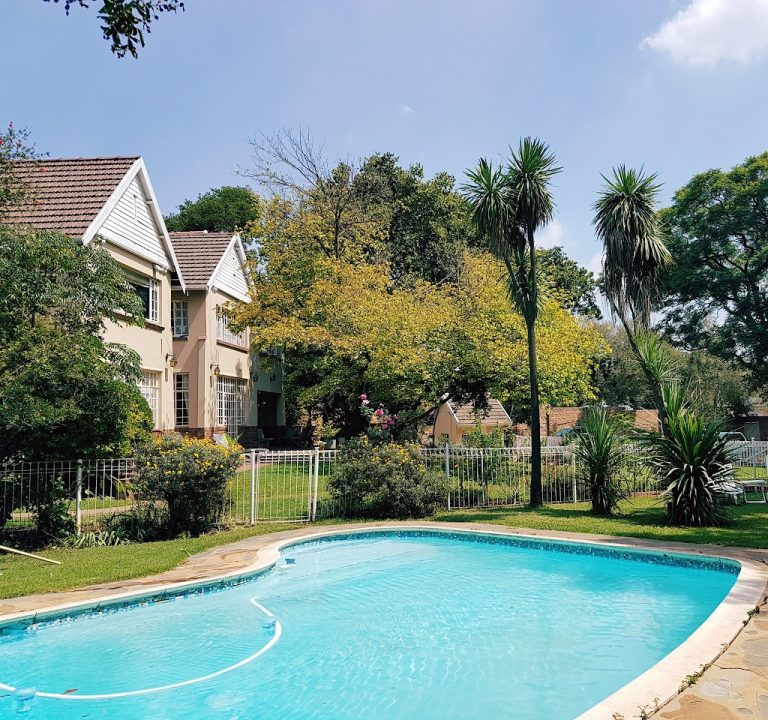
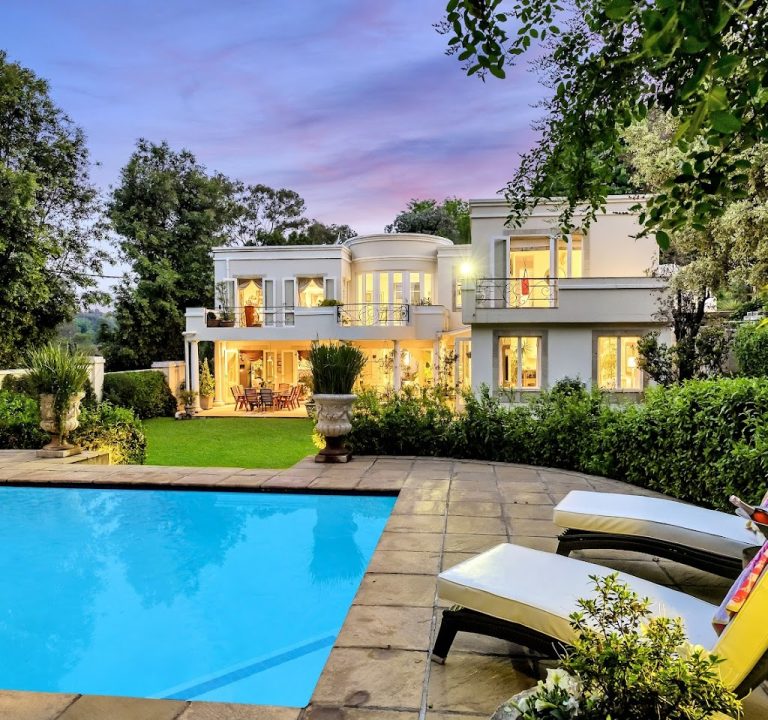
Typical amenities you might encounter include well‑appointed en‑suite rooms, daily housekeeping, secure parking, blackout curtains for restful sleep, and occasionally a guest kitchen or honesty bar. Some properties offer guided walks or curated excursions, while boutique stays may provide in‑house curations of art, design and local history. If you value a specific experience, such as a small, intimate setting or a lodge‑style atmosphere, a guest house like Abbotsford House Guest House can offer a cosy base with thoughtful touches. Visit their site at abbotsfordhouse.co.za to explore what they offer.
Transport tips for getting around Johannesburg:
- Public transport is improving but plan ahead; many visitors opt for rideshares or private drivers to get between districts safely and efficiently.
- If you are driving, allow extra time for traffic, particularly at peak hours, and check your route for any roadworks or diversions.
- Neighbourhoods with walkable streets can be pleasant for daytime exploring, but night travel is best arranged through reputable services or your accommodation’s transfer options.
Best time to visit and practical planning:
Johannesburg enjoys a mild climate with warm summers and cool, dry winters. The dry season (roughly May to September) can be particularly pleasant for outdoor activities and city sightseeing, while the rainy period (often in the late spring and summer) brings lush scenery but more unpredictable weather. Pack layers, sun protection and comfortable walking shoes. If you plan to visit the surrounding attractions, a mid‑week stay can offer calmer access to popular sites.
Attractions and experiences, in broad terms, include a blend of history, culture and nature. You might spend a day exploring the city’s museums and heritage sites, then switch to a more modern, energetic neighbourhood for lunch and street‑level art. For a broader understanding of the region, consider a day trip to nearby natural reserves or archaeological sites, balanced with evenings in vibrant dining districts that showcase South Africa’s diverse cuisines.
Dining and nightlife are substantial parts of a Johannesburg visit. Expect a spectrum of options from stylish bistros and contemporary eateries to traditional market stalls and casual cafés. In recent years, many districts have developed bustling food scenes alongside craft breweries and fashionable cocktail bars. When selecting a venue, look for places that offer a sense of local flavour—fresh ingredients, attentive service, and a relaxed yet lively ambience that suits your plans for the evening or a leisurely weekend brunch.
In summary, a well‑planned stay in Johannesburg is less about choosing a single “best” area and more about aligning travel style with the right neighbourhood. Whether you want the comfort and convenience of a central, well‑connected base, or the character and intimacy of a charming guest house, there are plenty of options to suit most budgets and itineraries. With careful planning around transport, security, and your preferred pace of sightseeing, you can enjoy the breadth of Johannesburg’s experiences while returning each night to a welcoming home away from home.